Views: 0 Author: Site Editor Publish Time: 2026-11-04 Origin: Site


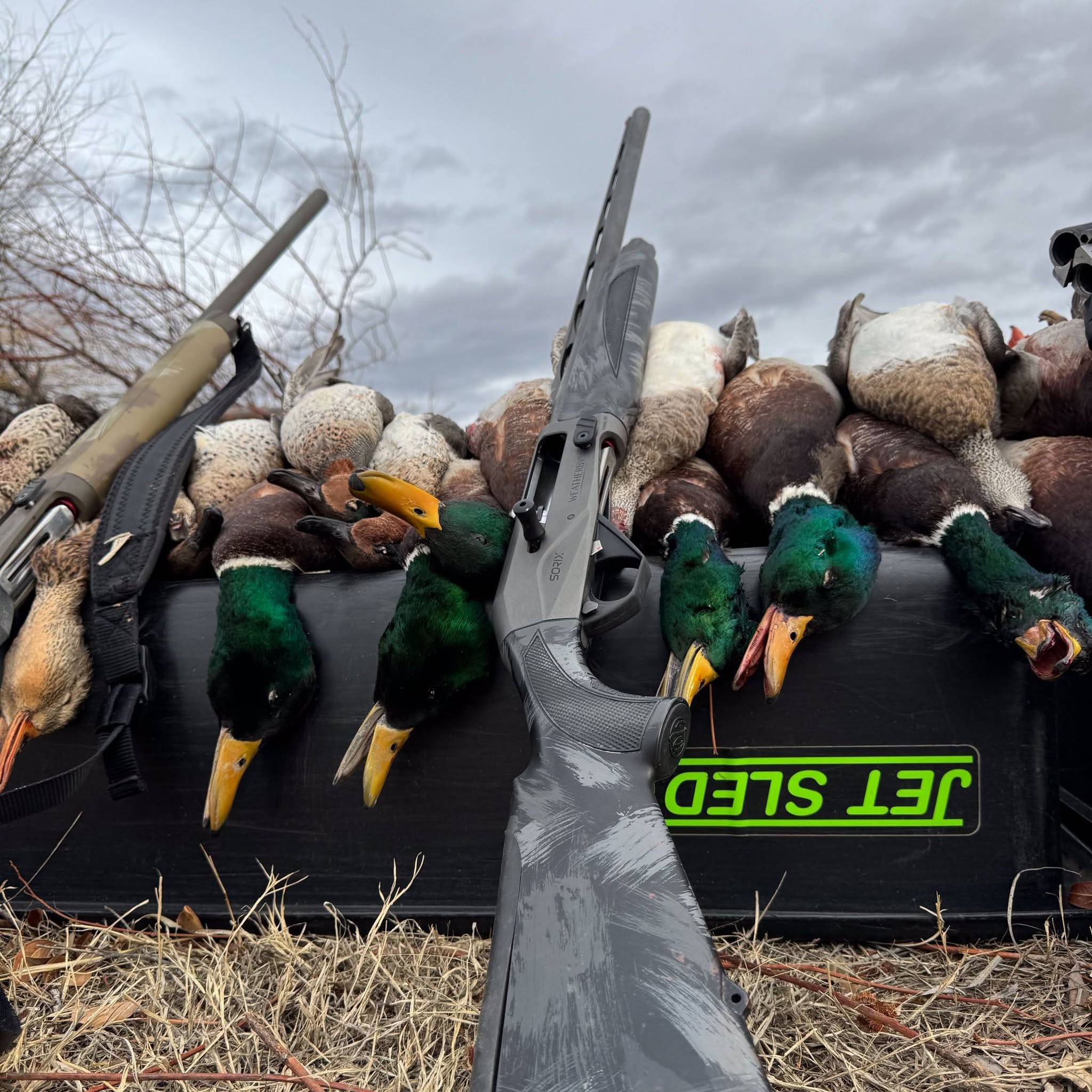
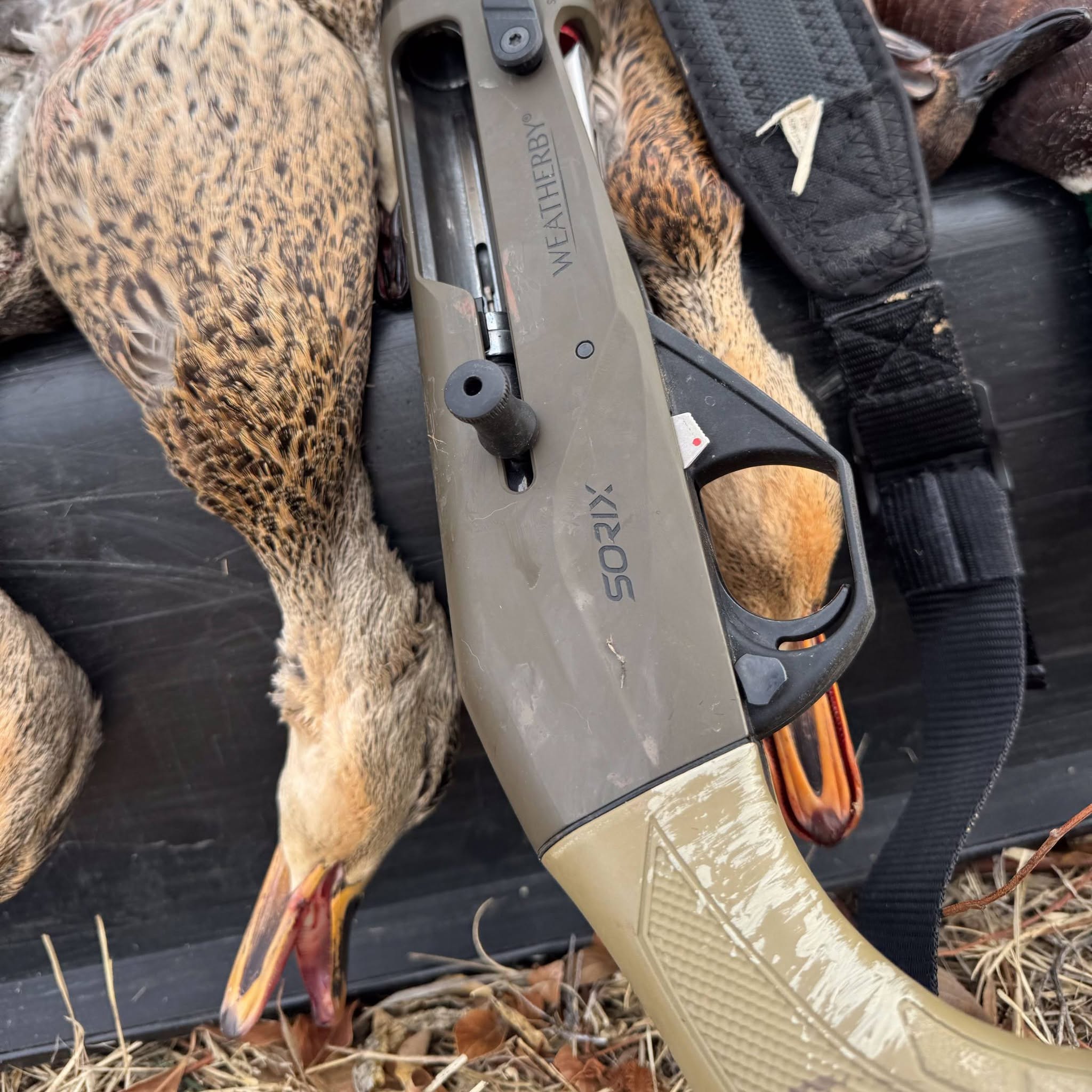
Across North America, wingshooting is more than a sport. It is a tradition shaped by migratory birds, open fields, wetlands, working dogs, trusted equipment, and the friendships formed before sunrise in a hunting blind. From ducks cupping their wings over a spread of decoys to geese moving across a prairie sky, each hunt brings together preparation, observation, skill, and an appreciation for the outdoors.
Wingmen captures this spirit through stories, videos, podcasts, and discussions focused on the people, equipment, techniques, and destinations that define modern bird hunting. Its official website describes a community built around ducks, geese, upland birds, spring gobblers, hunting dogs, firearms, gear, and the places that inspire hunters to head into the field. Rather than focusing on a single hunting location or species, Wingmen explores the wider culture of North American wingshooting.
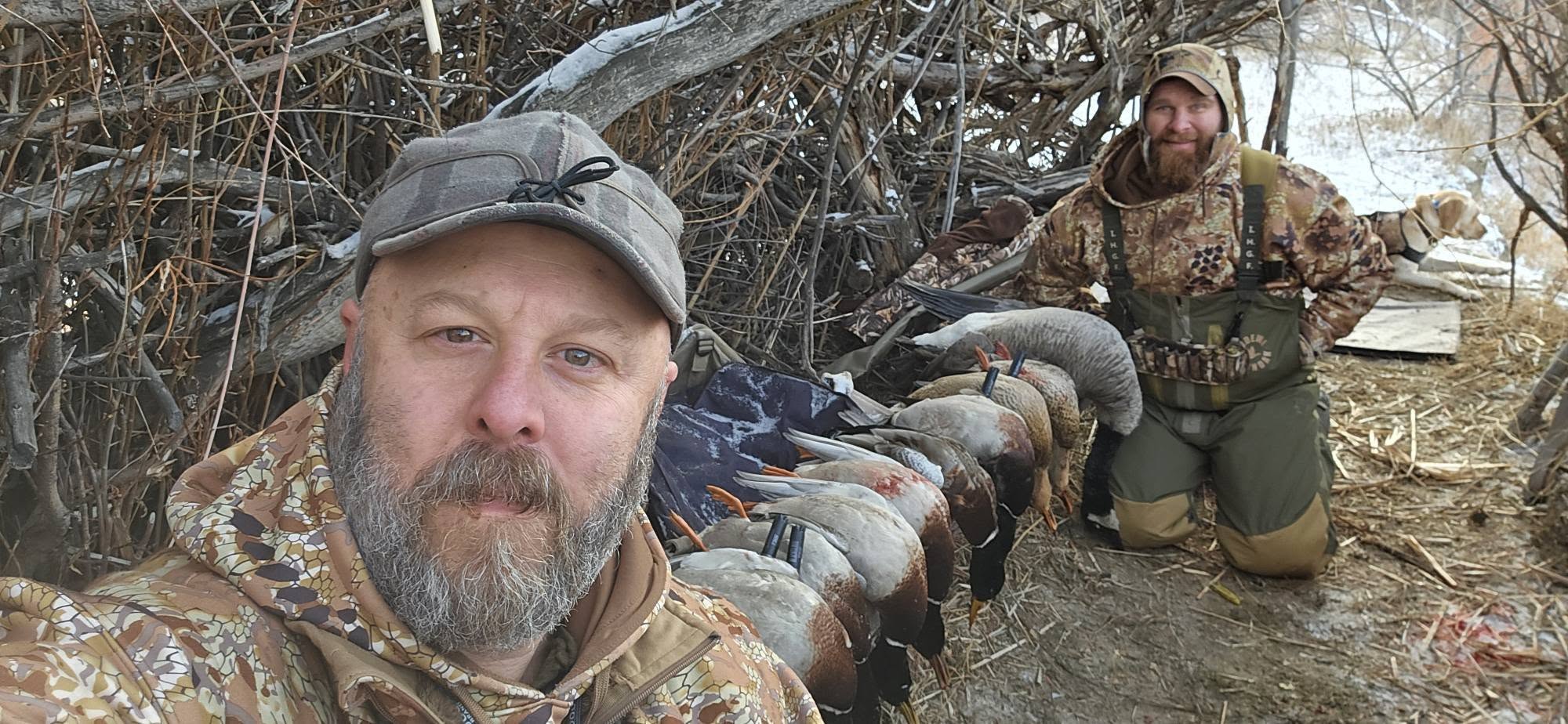
For waterfowl hunters, the arrival of a new season is part of an annual rhythm. Migrating ducks and geese move through marshes, rivers, ponds, agricultural fields, and flooded timber. Their movements change with weather, food availability, and seasonal conditions, making every outing a fresh challenge.
Wingmen's editorial focus reflects this diversity. Its content features duck and goose hunts in different landscapes, including prairie fields, open rivers, wetlands, and timber environments. The brand also shares hunting experiences from other parts of the wingshooting world, including upland birds and turkeys. Its videos and podcast content give hunters opportunities to learn from real field experiences, hear different perspectives, and explore the practical decisions behind a hunt.
Waterfowl hunting rewards preparation. Hunters consider wind direction, bird movement, concealment, calling, decoy placement, and the characteristics of the location. A setup that works in one environment may require a different approach in another. Field hunting for geese, for example, involves different considerations from hunting ducks along a river or in flooded timber.
Through stories and discussions, Wingmen helps bring these details into focus. Its appeal lies not only in the action of a hunt but also in the learning process: how hunters prepare, adapt, solve problems, and share what they discover.
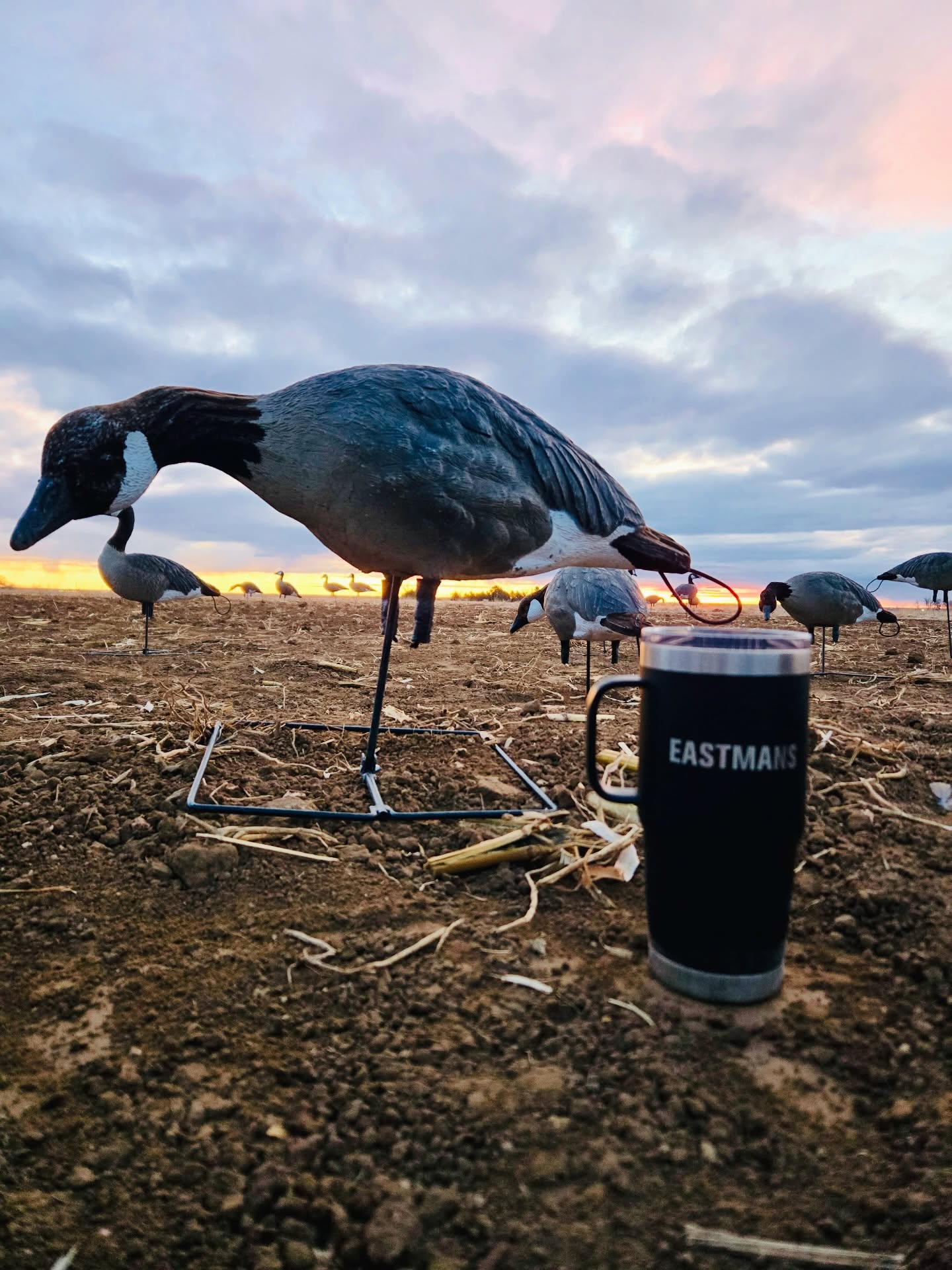
Few pieces of equipment are as closely associated with waterfowl hunting as the duck decoy. For generations, hunters have used artificial birds to create the appearance of a natural flock and help attract wild waterfowl within range.
Traditional wooden decoys reflect the history of hand carving, painting, and regional folk art. Some were created as practical hunting tools, while others became valued collectibles because of their craftsmanship, age, or connection to a particular hunting tradition. Their shapes and finishes tell stories about the hunters and communities that used them.
Modern decoy technology has expanded the choices available to waterfowlers. Today's equipment includes molded plastic duck decoys, lightweight EVA models, full-body goose decoys, field silhouettes, floating decoys, and motion decoys. Each type offers a different balance of realism, portability, durability, storage convenience, and intended use.
A decoy spread is more than a collection of models placed in a field or on the water. It is a visual arrangement shaped by the target species, local conditions, wind direction, visibility, and the behavior of wild birds. The spacing and orientation of decoys, the placement of blinds, and the creation of an open landing area all contribute to the overall setup.
Wingmen's wider emphasis on hunting gear, tactics, and field experiences creates a natural setting for exploring this culture. Decoys connect equipment discussions with the deeper traditions of waterfowling. They give hunters something to compare, maintain, customize, and discuss—and they provide manufacturers and outdoor retailers with a product category shaped by both practical needs and heritage.
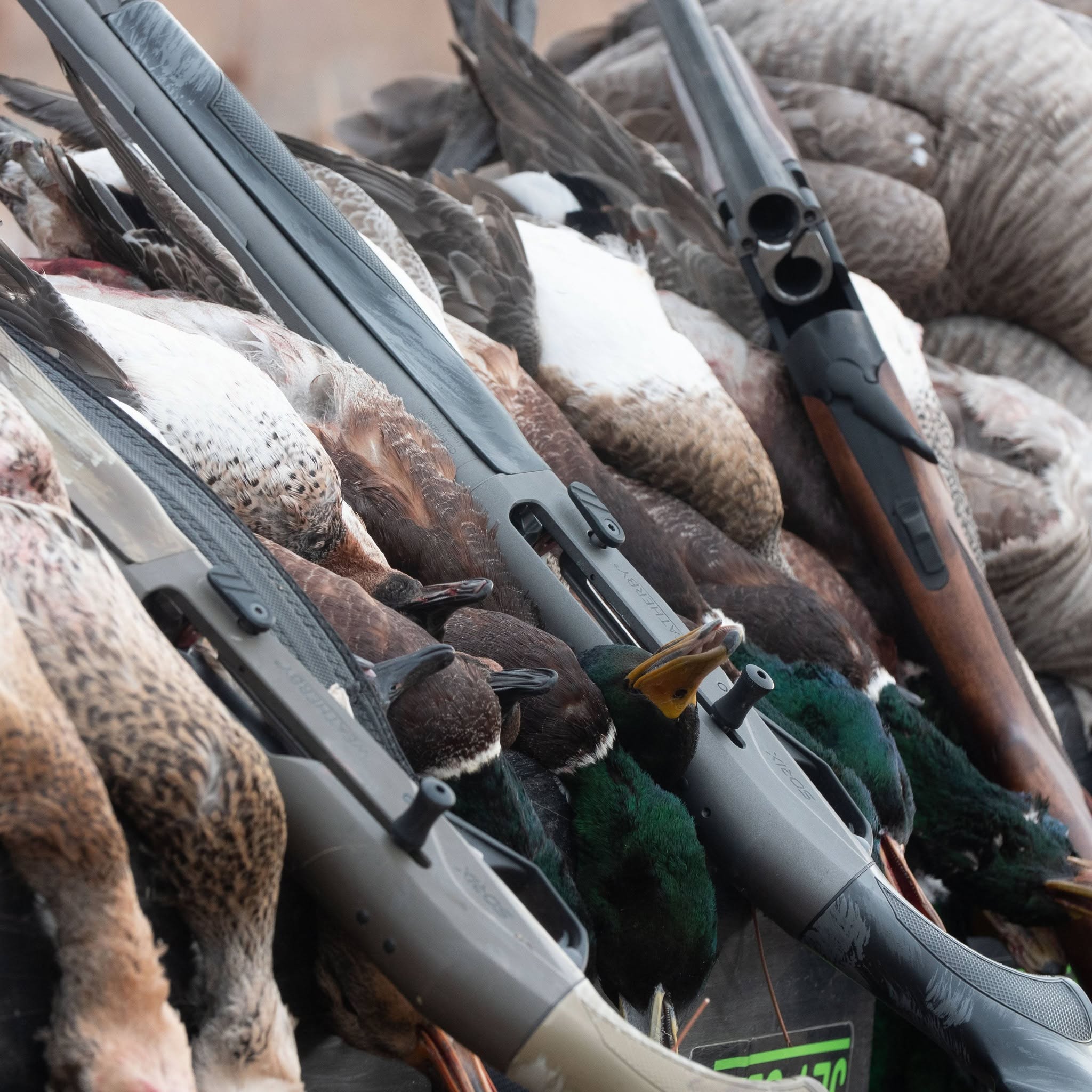
The evolution of decoys reflects changes in materials, manufacturing, and hunting practices. Hand-carved wooden ducks remain important to collectors and traditionalists, while modern molded decoys are designed to meet the needs of hunters who value efficient transport, durability, and consistent appearance.
Different hunting situations call for different equipment. Full-body goose decoys can provide a three-dimensional field presentation. Silhouette decoys may offer a lightweight option for covering large areas. Floating duck decoys are designed for water-based setups, while motion decoys can add movement when appropriate and permitted by local regulations.
The right choice depends on the location, species, travel arrangements, and the hunter's approach. There is no single spread that works everywhere, and more decoys do not automatically create a better setup. Observation, thoughtful placement, and suitable concealment remain essential.
For readers interested in the equipment side of wingshooting, decoys offer an especially rich topic. Their design brings together sculpture, color, posture, species recognition, material selection, and practical field performance. The discussion also extends beyond the models themselves to decoy bags, weights, lines, anchors, and storage systems that help hunters transport and deploy their equipment.
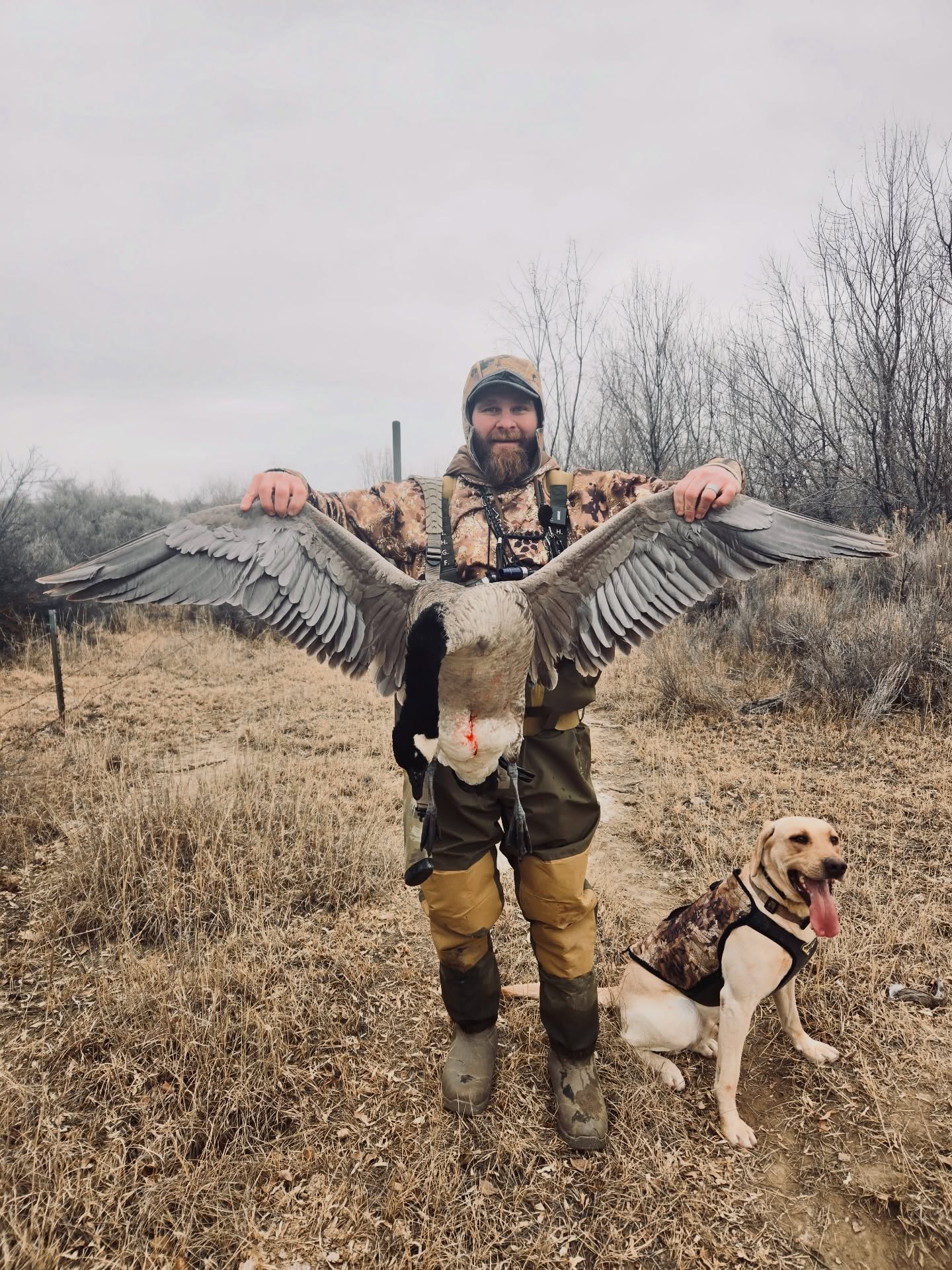
A waterfowl hunt rarely depends on equipment alone. Hunting dogs, calls, blinds, clothing, firearms, and the experience of the people in the field all contribute to the overall process.
Retrievers are especially valued in waterfowl hunting for their ability to work through water, vegetation, and challenging terrain. Training, communication, and safe handling are central to their role. For many hunters, watching a well-trained dog work is one of the most memorable parts of a day in the field.
Calls and calling techniques also form a distinctive part of waterfowl culture. Hunters study the sounds and behavior of different species, while learning that calling needs to be adapted to the situation rather than applied mechanically. Wind, bird activity, and the distance of approaching flocks all affect the decisions made in the blind.
Wingmen's coverage of dogs, gear, tactics, and field stories brings these elements together in a broader picture of wingshooting. It recognizes that hunting is a coordinated experience built on preparation, practice, and cooperation.
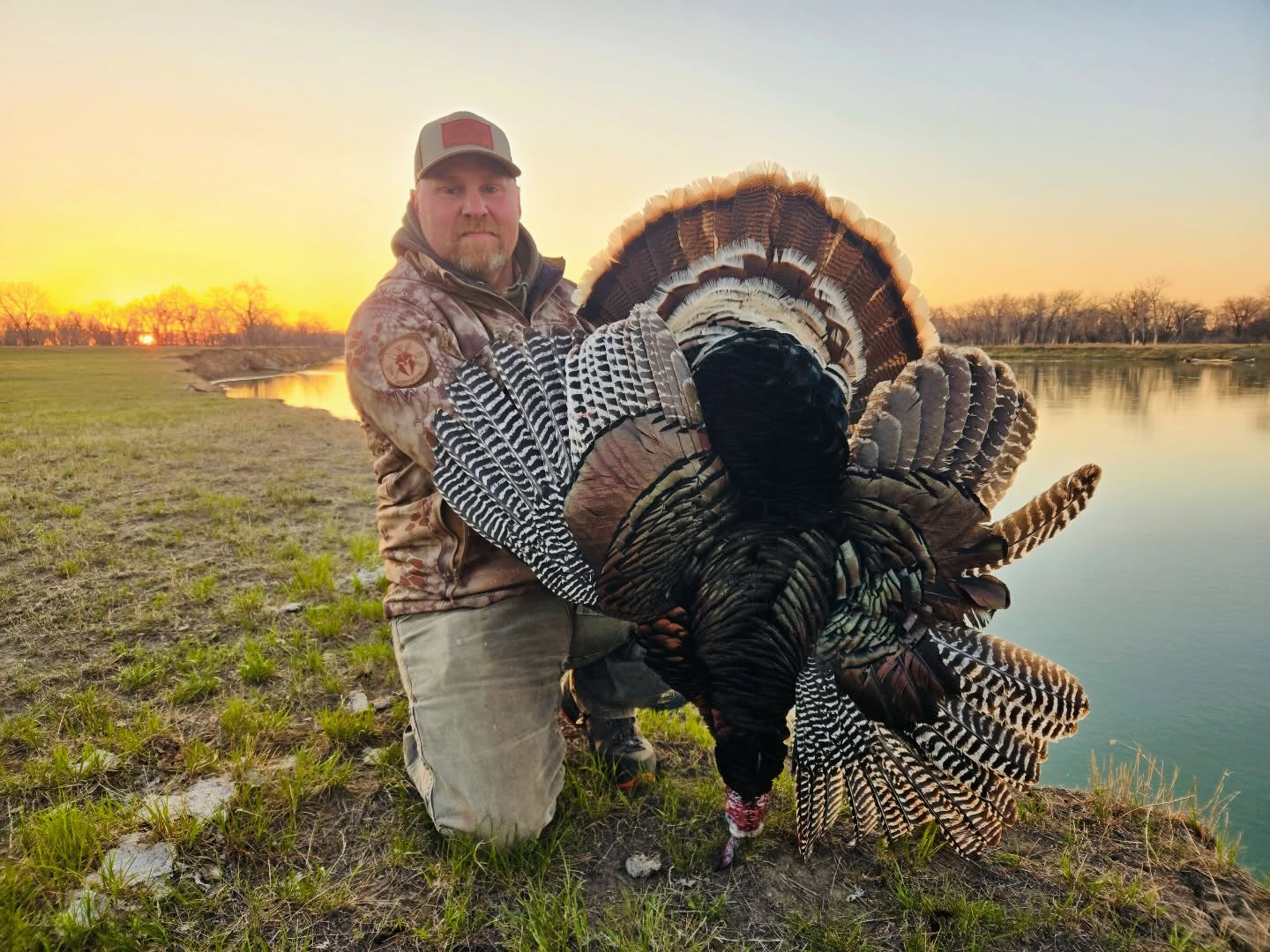
Wingmen uses a range of media formats to connect with hunters. Its official website features video content and a podcast focused on ducks, geese, upland birds, turkeys, dogs, shotguns, equipment, and hunting tactics. Its stated aim is to educate and entertain while encouraging hunters to share their own stories, photos, tips, observations, humor, and experiences.
This community-driven approach is particularly relevant to new hunters who want to understand the practical side of waterfowling. Videos can show how a field setup comes together; conversations can explore scouting, calling, dog work, and equipment choices; and personal stories can explain the lessons learned when plans do not unfold as expected.
Experienced hunters can also benefit from this exchange. Different regions have different bird populations, weather patterns, hunting traditions, and equipment preferences. Sharing these perspectives encourages learning across locations and generations.
For outdoor brands and equipment makers, this type of content culture offers a way to discuss products in the context of actual use. Decoys, calls, clothing, boots, bags, and other hunting accessories become part of a larger conversation about preparation and field performance rather than isolated items in a catalogue.
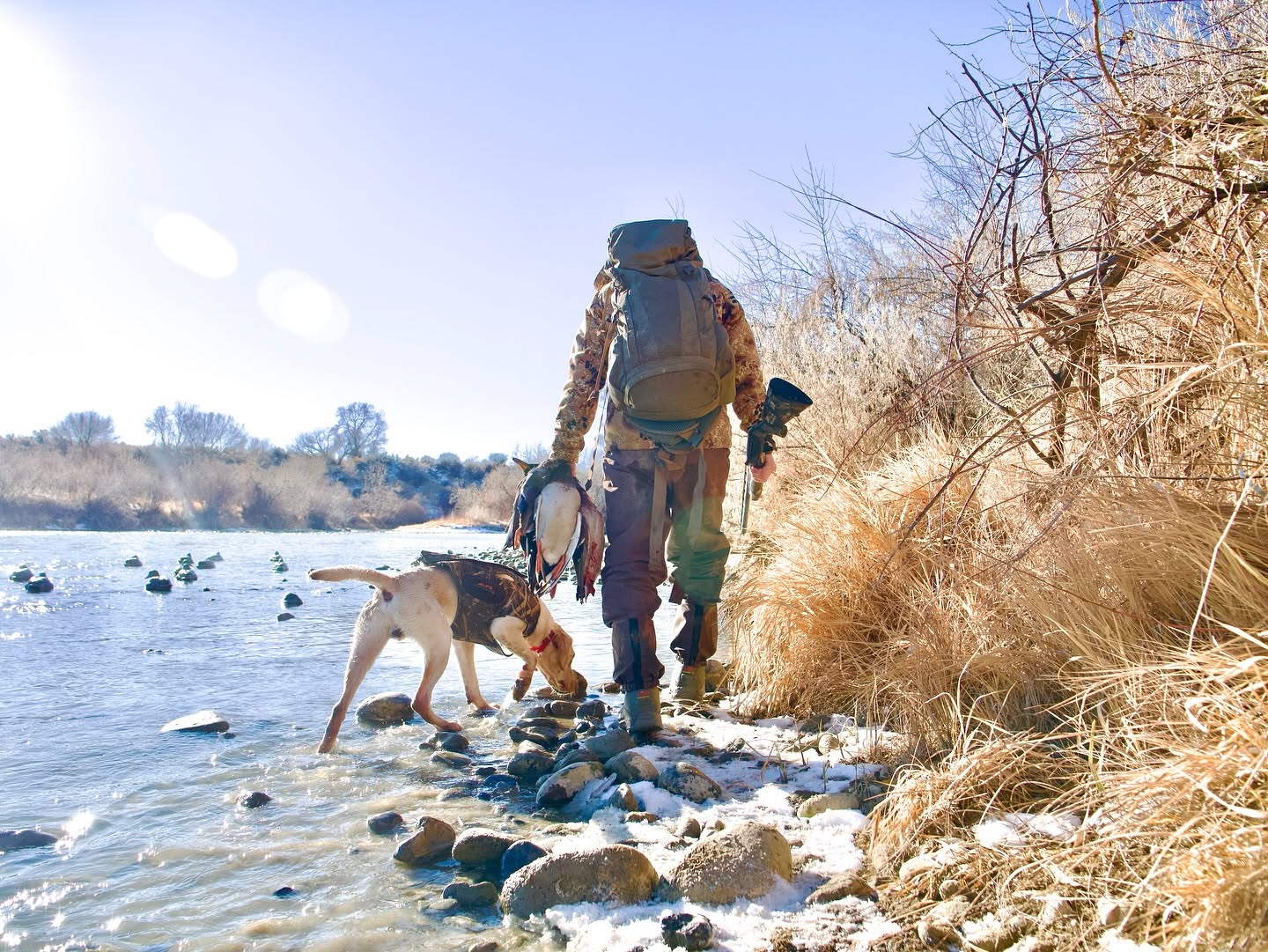
The long-term future of wingshooting depends on responsible behavior, respect for wildlife, and the conservation of the habitats that support migratory birds. Wetlands, rivers, marshes, grasslands, and agricultural landscapes each play a role in the lives of waterfowl and other game birds.
Hunters should follow current regulations for seasons, species, licenses, ammunition, and equipment. They should also respect property access, use safe firearm practices, and handle harvested birds responsibly. Decoy and calling techniques must be used in accordance with the rules applicable to the hunting location.
Conservation is also about knowledge and community. Understanding migration, habitat, and wildlife management helps hunters appreciate the landscapes that make their sport possible. Sharing these values with younger generations helps preserve not only hunting traditions but also the responsibilities that come with them.
Wingmen's emphasis on community, education, and the stories behind hunting provides a platform for discussing these wider responsibilities alongside gear, tactics, and outdoor adventure.
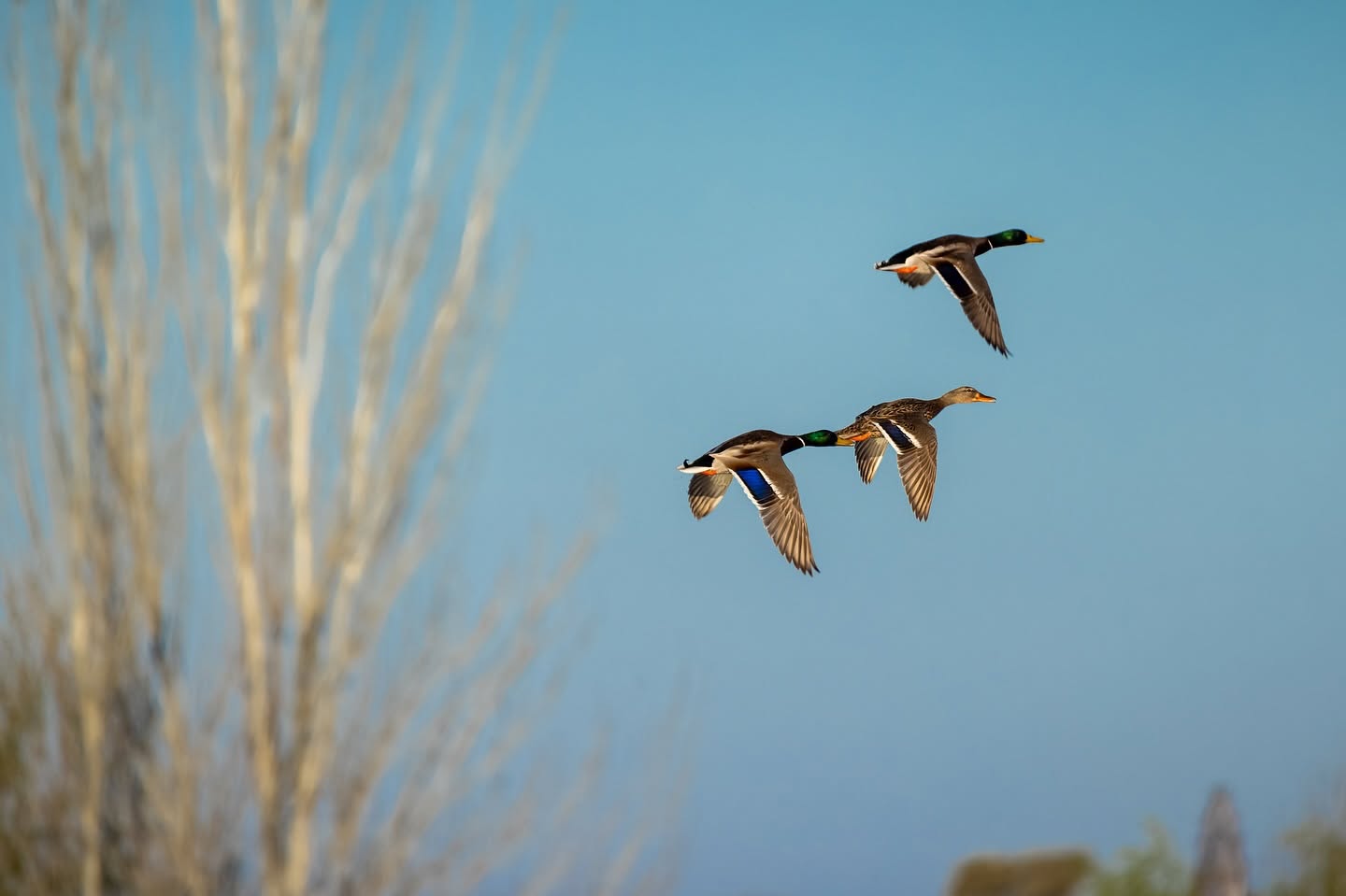
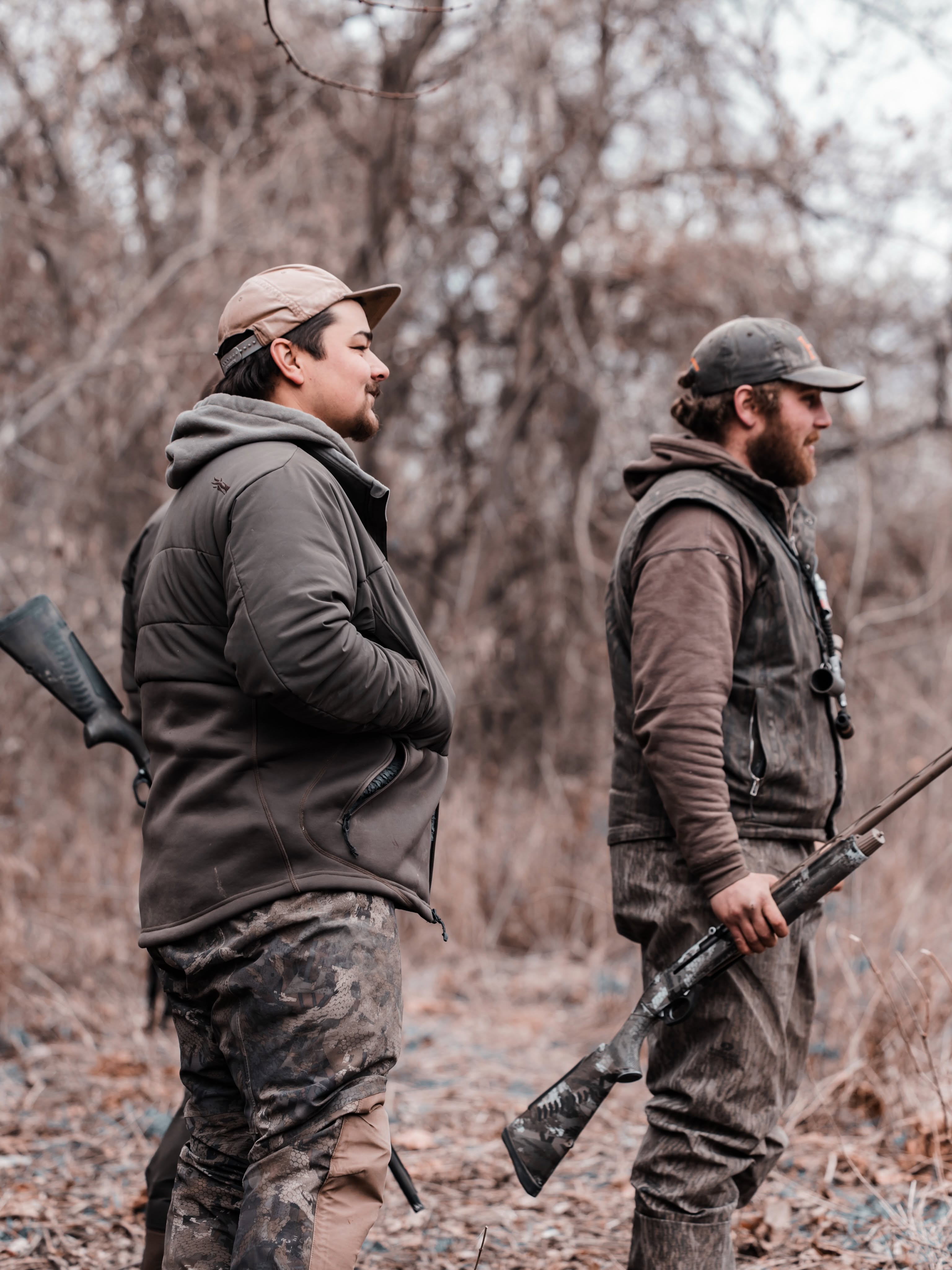
Wingmen celebrates the many elements that make North American wingshooting meaningful: migratory birds, changing landscapes, trusted equipment, hunting dogs, practical fieldcraft, and the friendships formed through shared experiences.
Decoys remain one of the clearest symbols of this culture. From traditional wooden carvings to modern molded ducks and geese, they connect craftsmanship with field strategy and link generations of hunters through a common tradition.
Through videos, podcasts, stories, and discussions, Wingmen brings these subjects together for a community that values both the excitement of the hunt and the knowledge gained along the way. Its message is ultimately about more than equipment or a successful day in the field. It is about learning, sharing, respecting the outdoors, and keeping the spirit of wingshooting alive for the next generation.