
Views: 0 Author: Site Editor Publish Time: 2026-11-02 Origin: Site


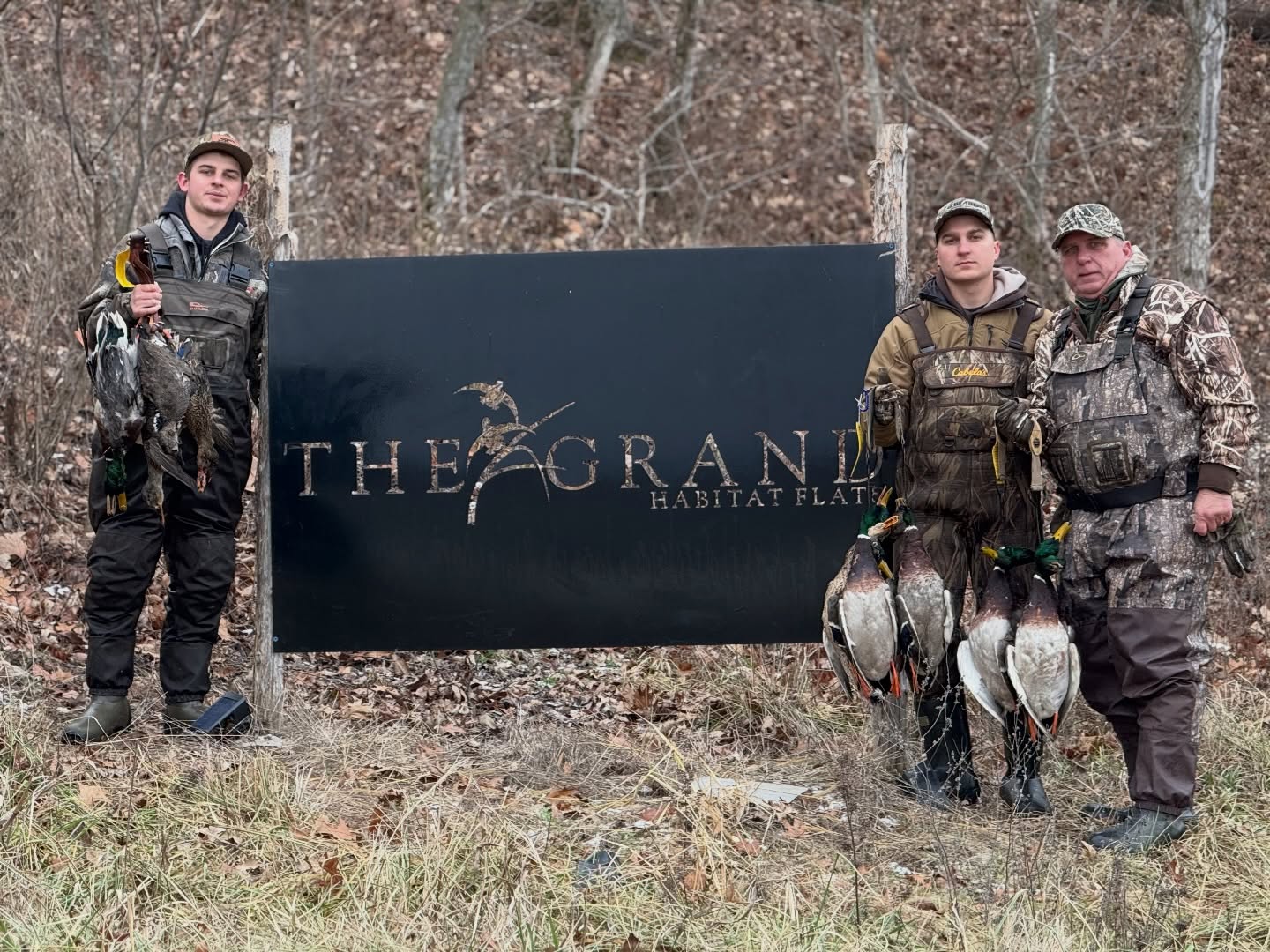
Across the vast agricultural landscapes of Saskatchewan, the arrival of migratory waterfowl transforms the prairie into one of North America's most compelling hunting destinations. Open grain fields, seasonal wetlands, expansive skies, and the movement of ducks and geese create an environment where preparation, fieldcraft, and patience are essential parts of the experience.
For hunters seeking a memorable Canadian waterfowl adventure, Habitat Flats Saskatchewan brings together guided hunting, comfortable lodge accommodations, and the traditions that have shaped North American waterfowling for generations. As part of the broader Habitat Flats network, the Saskatchewan operation offers hunters an opportunity to experience prairie hunting in a landscape known for its abundance of migratory birds and its wide-open horizons.
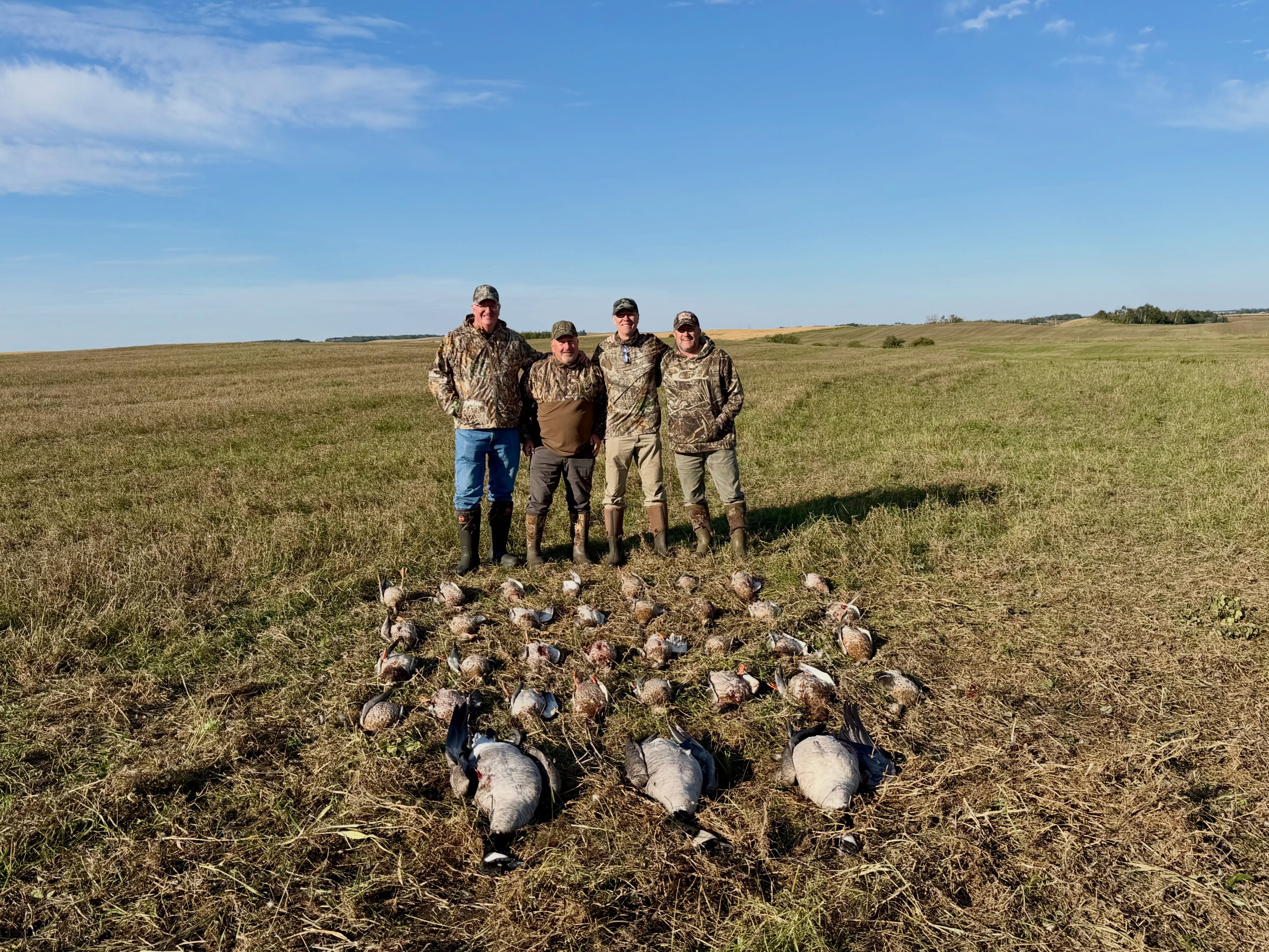
Saskatchewan lies within the Prairie Pothole Region, an important landscape for waterfowl across the central part of North America. The province's eastern grain-growing areas combine agricultural fields with wetlands and water sources that attract migrating birds during seasonal movements.
Habitat Flats describes its Saskatchewan hunting grounds as part of the grain belt in the eastern province, with access to extensive areas that support ducks, Canada geese, snow geese, and sandhill cranes. These varied species make Saskatchewan particularly attractive to hunters looking for a diverse waterfowl experience rather than a trip focused on a single bird.
The appeal of prairie hunting lies in the combination of natural opportunity and changing field conditions. Birds may feed in harvested grain fields, rest on nearby water, or shift their movements as weather and food availability change. Each outing requires observation and adaptation, and no two hunting days are guaranteed to unfold in the same way.
For visiting hunters, Saskatchewan offers more than a place to pursue migratory birds. It offers a chance to experience the scale of the Canadian prairie, the seasonal rhythm of wildlife, and the traditions of a hunting culture built around early mornings, careful preparation, and time outdoors.
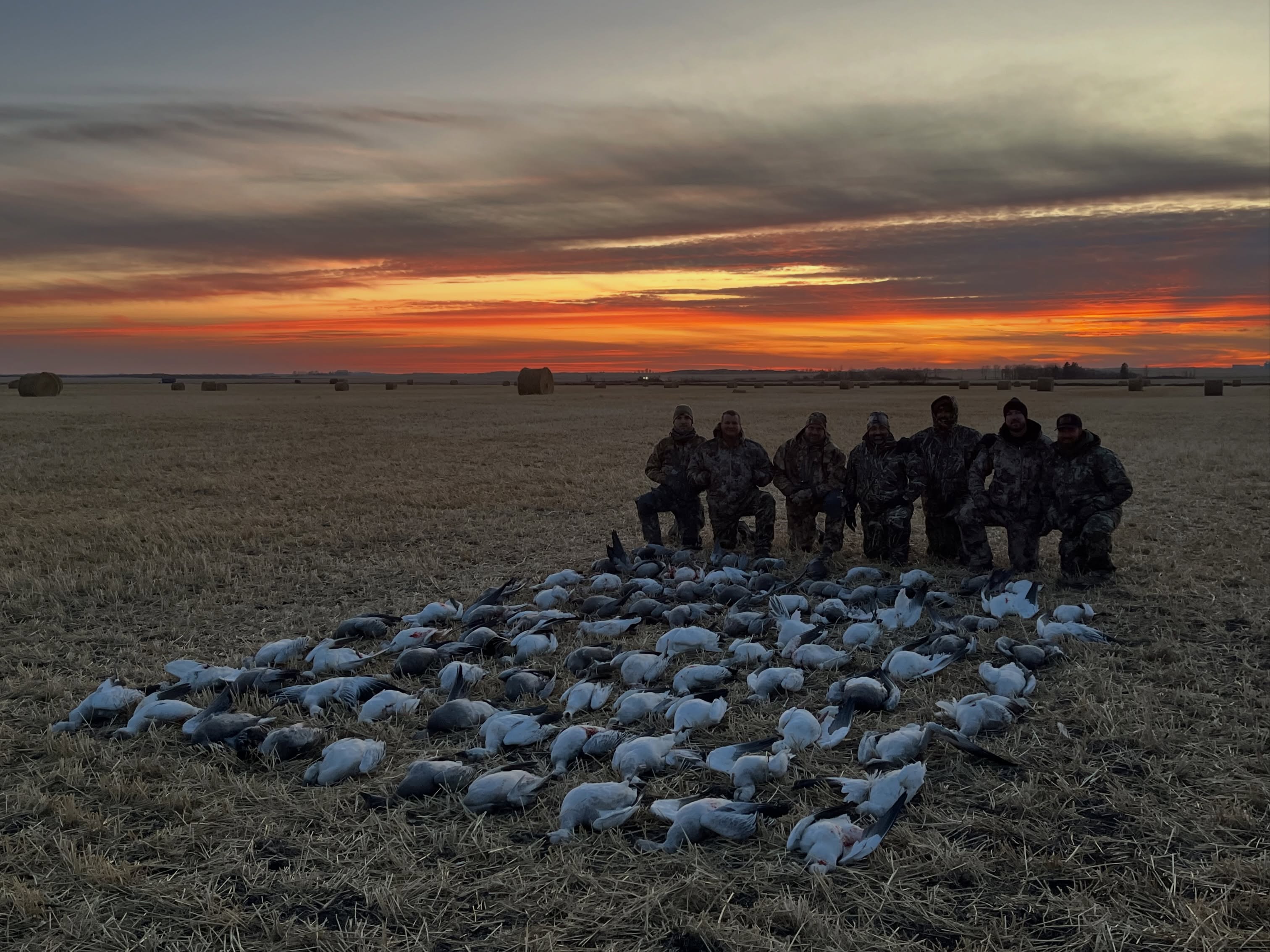
A successful waterfowl outing begins long before the first birds appear. Scouting, understanding the landscape, choosing an appropriate hunting location, and preparing a convincing decoy spread all contribute to the experience.
Habitat Flats Saskatchewan offers guided fall hunts for ducks and Canada geese, with optional afternoon opportunities for snow geese and sandhill cranes described in its lodge information. Its spring program focuses on snow goose hunting. These seasonal options allow guests to plan a trip around the migration and the species they hope to pursue. Availability, regulations, and the precise itinerary should always be confirmed directly with the outfitter.
Guided field hunting calls for a combination of practical skills. Hunters must consider wind direction, visibility, crop conditions, concealment, and the direction from which birds are likely to approach. The placement of blinds and decoys should work together to create a natural-looking scene and leave a suitable landing area.
The guide's local knowledge helps shape these decisions, but wild birds remain unpredictable. Weather can change, migration patterns can shift, and a field that attracts birds one day may be less active the next. The value of guided hunting lies in preparation, experience, and the ability to respond thoughtfully to changing conditions—not in a promise of a particular result.
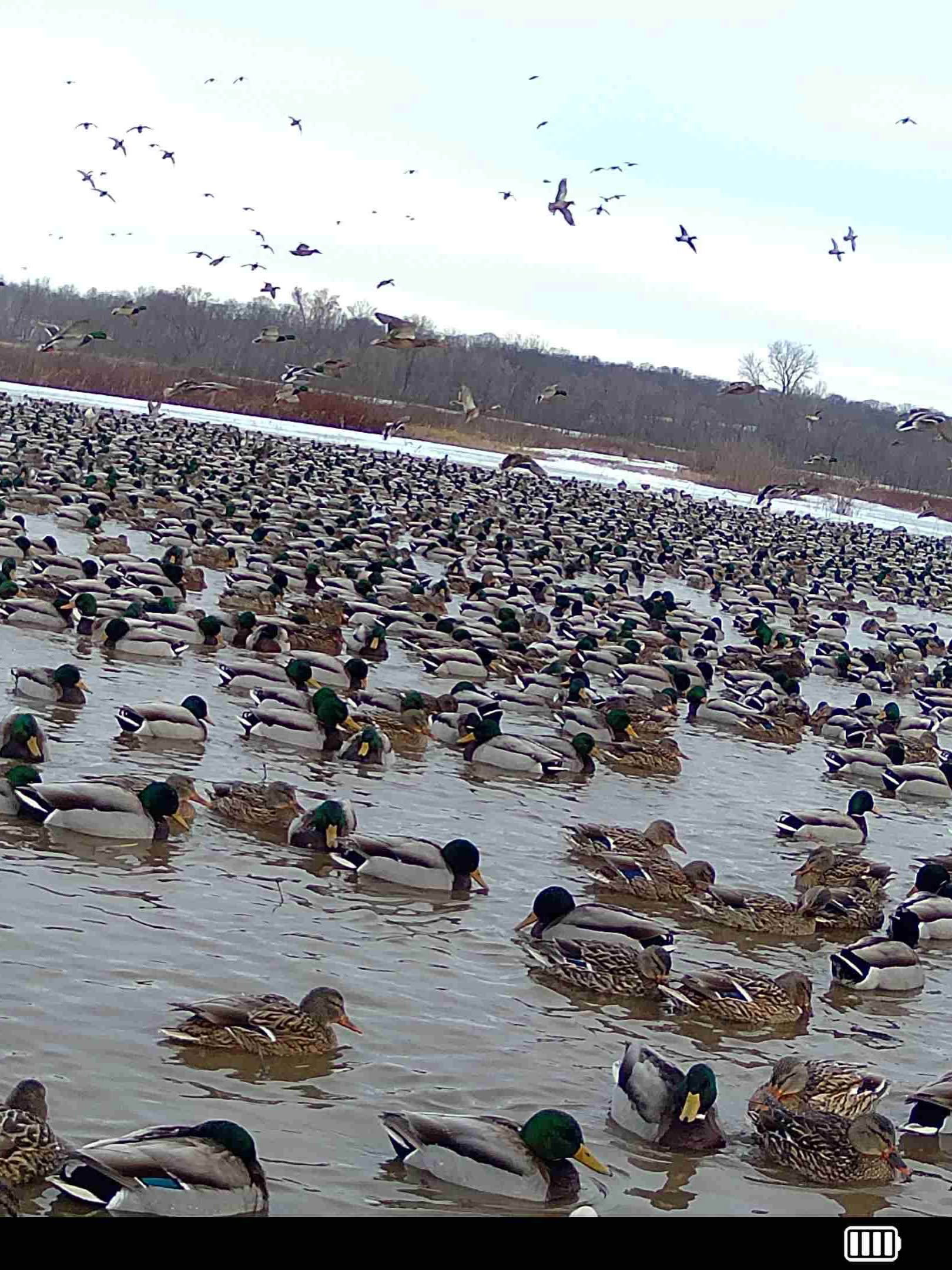
Few elements define North American waterfowl hunting as clearly as the duck decoy. Decoys have evolved from hand-carved wooden birds into a broad range of hunting tools, including molded plastic ducks, full-body geese, field silhouettes, floating decoys, and motion systems.
Yet the basic idea remains deeply connected to traditional hunting culture: create a convincing visual impression of birds feeding, resting, or gathering together, and understand how wild waterfowl respond to their surroundings.
For many hunters, decoys are much more than equipment. Traditional wooden decoys represent craftsmanship, regional heritage, and generations of field experience. Modern molded decoys offer practical advantages in durability, portability, and consistent appearance. Detailed species-specific designs help hunters build a spread suited to their target birds and hunting environment.
In Saskatchewan's agricultural landscapes, full-body goose decoys and field silhouettes can be used to suggest a flock feeding in a grain field. Duck decoys can add variety and help create a mixed-species scene where conditions and hunting plans make that appropriate. The design and size of the spread depend on the field, wind, visibility, bird behavior, and local regulations.
A convincing decoy spread is not simply the largest possible collection of models. It is a carefully considered arrangement. Spacing, orientation, the placement of an open landing area, and the relationship between decoys and blinds all influence how natural the setup appears.
The art of decoy placement is therefore a combination of observation and experience. Hunters learn to think about how birds approach a field, how wind affects their landing direction, and how concealment can help the hunting position blend into the landscape. When decoys, blinds, calling, and field conditions work together, the setup becomes an expression of waterfowl fieldcraft.
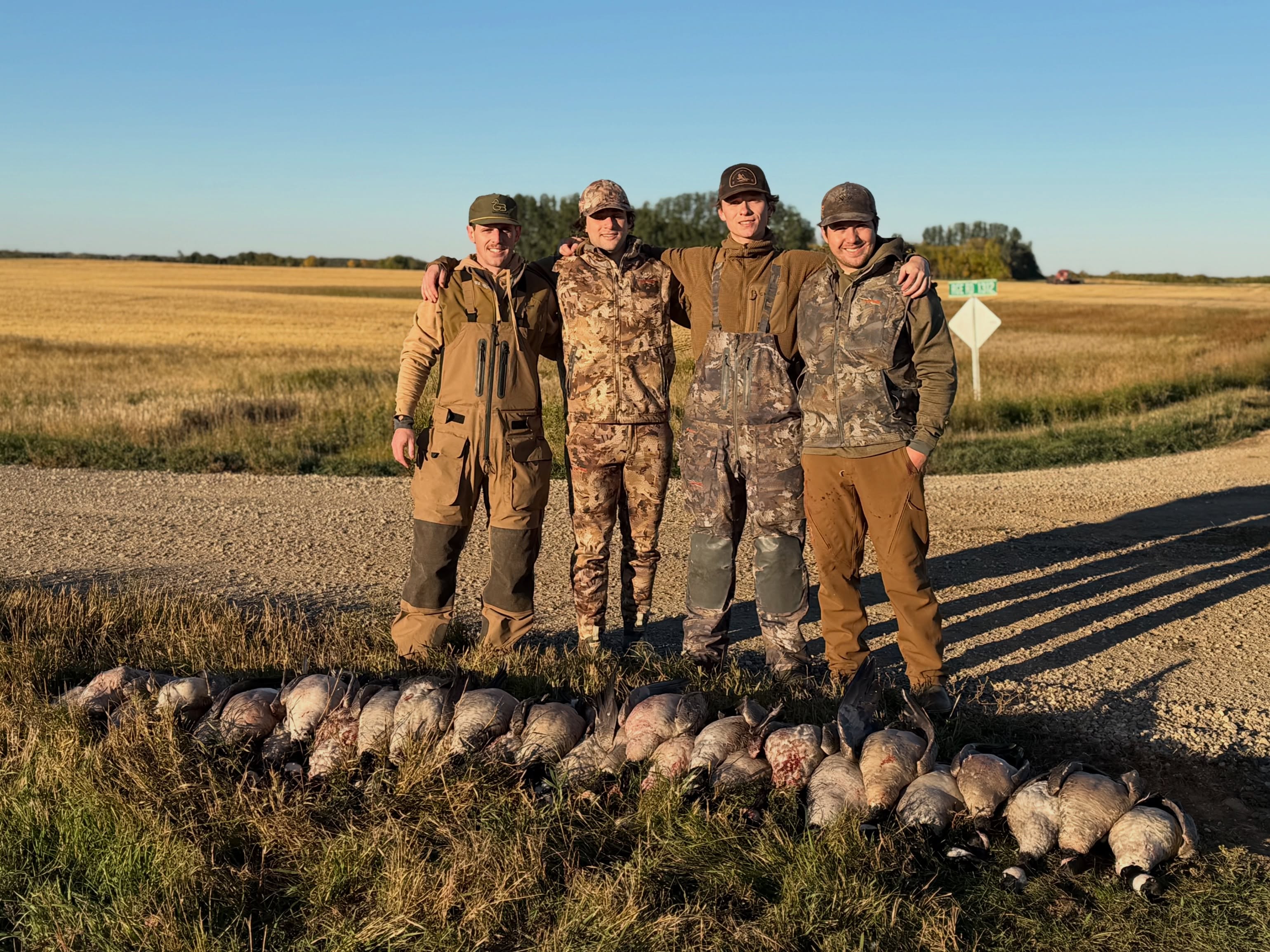
Snow goose hunting adds another dimension to the Saskatchewan experience. Habitat Flats lists spring snow goose hunting as a featured program, while snow geese are also included among the species associated with its fall hunting opportunities.
Habitat Flats+1
Snow goose hunting can involve large flocks moving between roosting areas and agricultural feeding grounds. Their behavior, flock size, and responses to hunting pressure can create challenges that differ from those encountered when pursuing ducks or Canada geese.
Snow goose decoys are an important part of this tradition. Depending on the terrain and conditions, hunters may use large numbers of full-body decoys or silhouettes to suggest a flock on the ground. The goal is to build a convincing visual scene while adapting to wind, field conditions, and bird movement.
The equipment is only one part of the process. Understanding local conditions, preparing the hunting area, using suitable concealment, and following applicable regulations remain essential. For hunters who enjoy the technical side of waterfowling, snow goose hunting offers an opportunity to explore a different style of decoy strategy and field preparation.
A hunting trip is remembered not only for the time spent in the field but also for the hours between outings. Shared meals, conversations about bird movement, equipment preparation, and stories from previous hunts are part of the wider waterfowl experience.
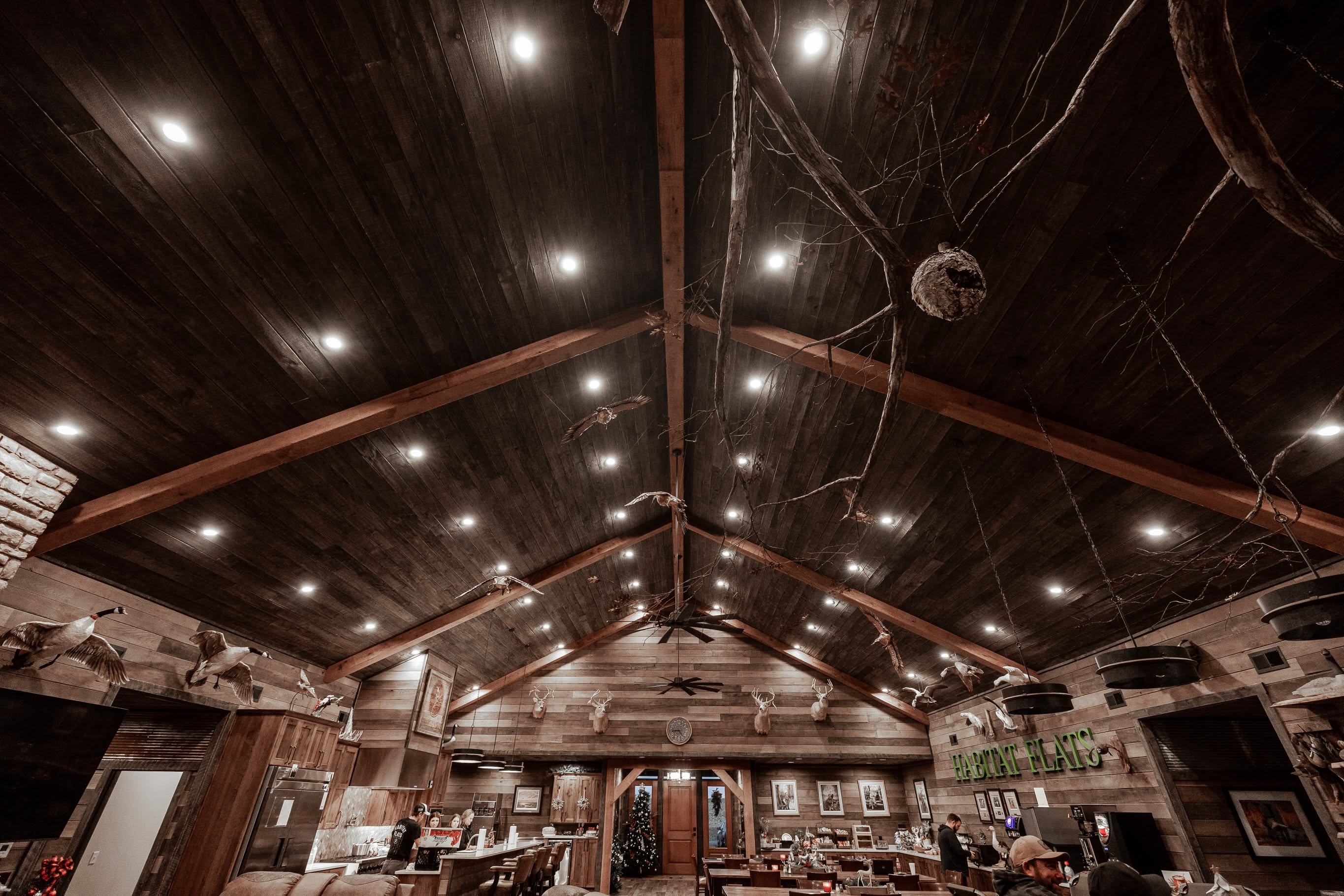
Habitat Flats Saskatchewan describes a lodge with more than 11,000 square feet of space and accommodation designed for hunting groups. The property includes communal areas for dining and relaxing, giving guests a place to gather after early starts in the field.
The outfitter's published package information describes a fully guided, all-inclusive format that can include hunting sessions, lodging, meals, snacks, beverages, ammunition, bird processing, and licenses. The exact inclusions differ by season and package and should be confirmed before booking. Transportation to Saskatchewan, personal hunting clothing, and firearms are among the practical matters guests should discuss with the outfitter when planning their trip.
For friends traveling together, the lodge setting makes it possible to share the full rhythm of a hunting trip. For corporate groups, it can provide an opportunity to spend time together away from the usual working environment. For experienced hunters, it creates space to exchange ideas about decoys, calls, blinds, and the changing behavior of migratory birds.
The history of decoys reflects the broader evolution of waterfowl hunting. Wooden decoys, often carved and painted by hand, once served as practical hunting tools and later became collectible expressions of folk art. Today, modern molded decoys offer a different balance of affordability, consistency, durability, and ease of transport.
Neither tradition nor technology alone defines a good hunting setup. A successful approach depends on selecting appropriate equipment for the target species and location, then using it with an understanding of bird behavior and field conditions.
For decoy manufacturers, outdoor retailers, and hunting-related businesses, Saskatchewan waterfowl hunting also illustrates the practical importance of realistic design and functional construction. Full-body geese, mallard decoys, snow goose silhouettes, floating models, and motion decoys each serve different purposes. Their value depends on the setting in which they are used and the needs of the hunter.
Within the Habitat Flats Saskatchewan experience, decoys are part of a wider story about preparation, observation, teamwork, and the enduring appeal of the North American outdoors.
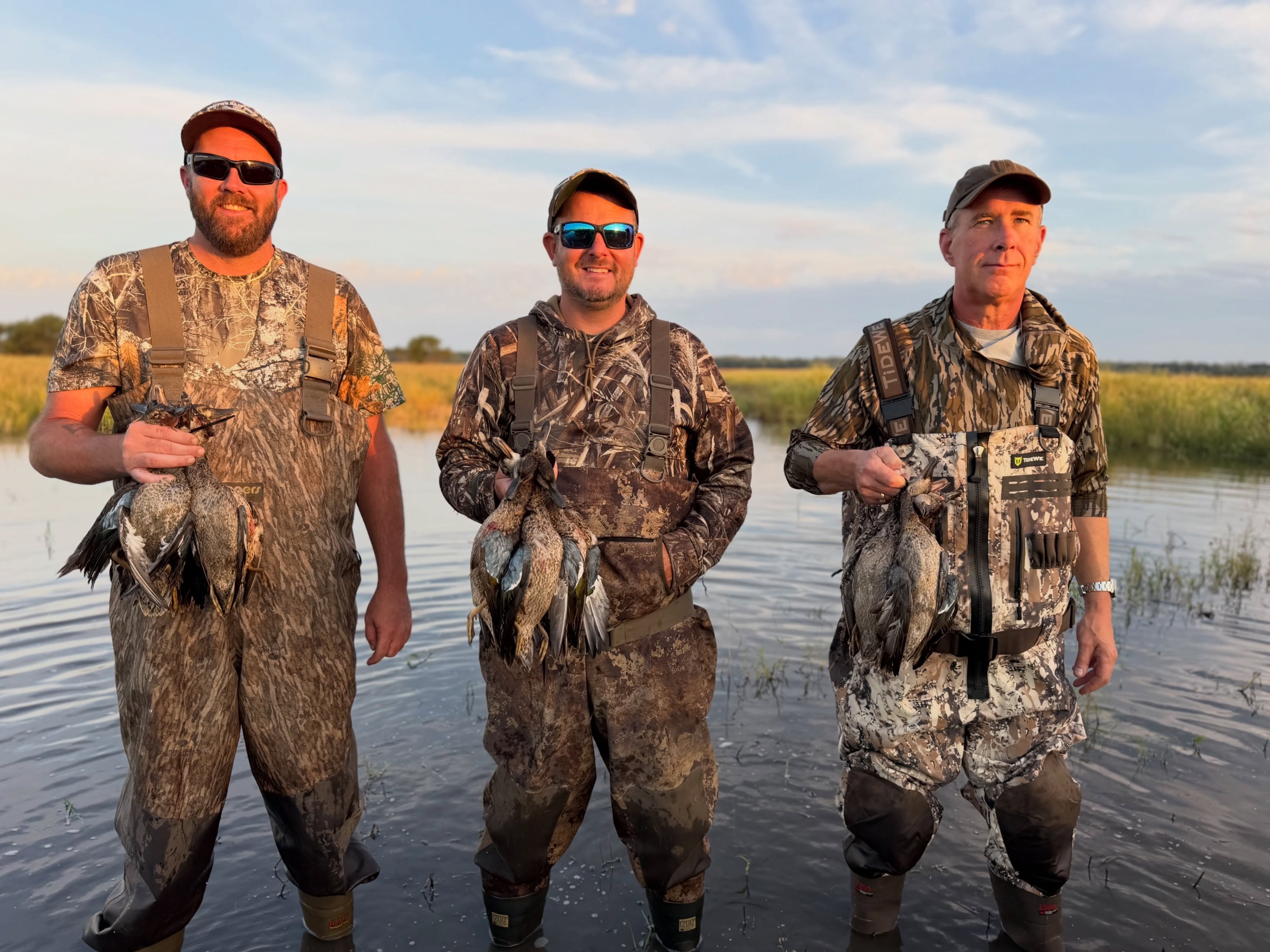
A meaningful hunting trip requires careful planning and respect for wildlife. Guests should confirm the current hunting seasons, species-specific regulations, licensing requirements, ammunition rules, and any applicable restrictions on equipment or hunting methods before traveling.
Hunters should also prepare for prairie weather, which can change quickly. Suitable layered clothing, waterproof footwear, rain protection, and attention to field safety help make a trip more comfortable and responsible. The outfitter's current gear list and travel instructions should take precedence over general advice.
No responsible outfitter can guarantee wild bird movement or a particular harvest. The value of a guided trip also lies in the experience itself: learning about the landscape, observing migratory behavior, developing field skills, and sharing time outdoors.
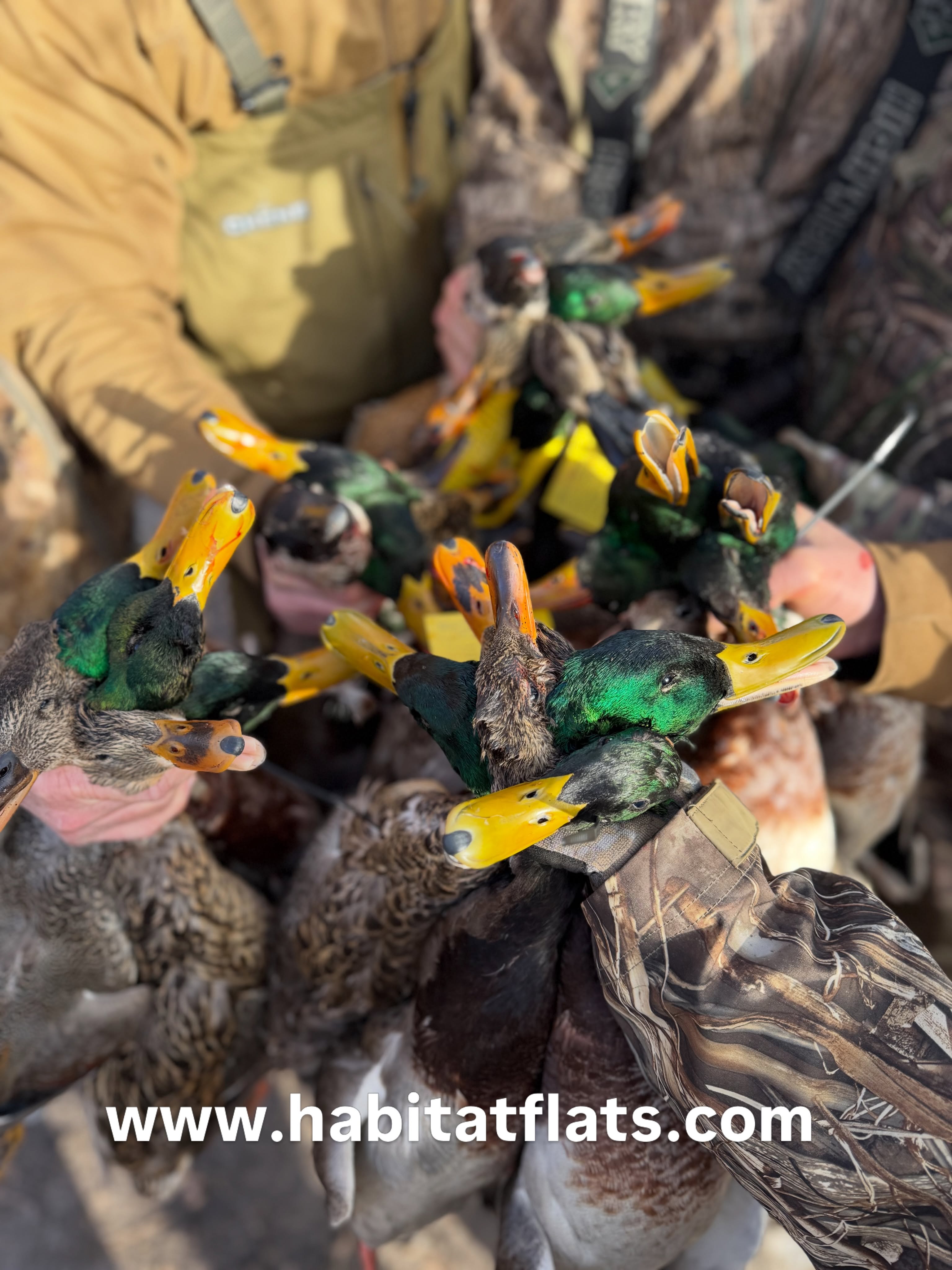
Habitat Flats Saskatchewan brings together the landscape of the Canadian prairie, guided waterfowl hunting, lodge hospitality, and the enduring culture of decoys. From the first light over a grain field to the careful arrangement of a goose spread, the experience reflects the preparation and fieldcraft that define North American waterfowling.
For hunters drawn to ducks, Canada geese, snow geese, and sandhill cranes, Saskatchewan offers a varied seasonal setting and a chance to experience the open prairie. For those who appreciate decoy design and hunting heritage, every spread represents a combination of craftsmanship, observation, and practical knowledge.
Ultimately, the most memorable moments often extend beyond the hunt itself: the quiet before sunrise, birds moving across the prairie sky, shared meals at the lodge, and stories exchanged with fellow hunters. Habitat Flats Saskatchewan offers a setting in which those moments can become part of a lasting outdoor tradition.


