
Views: 0 Author: Site Editor Publish Time: 2026-10-30 Origin: Site


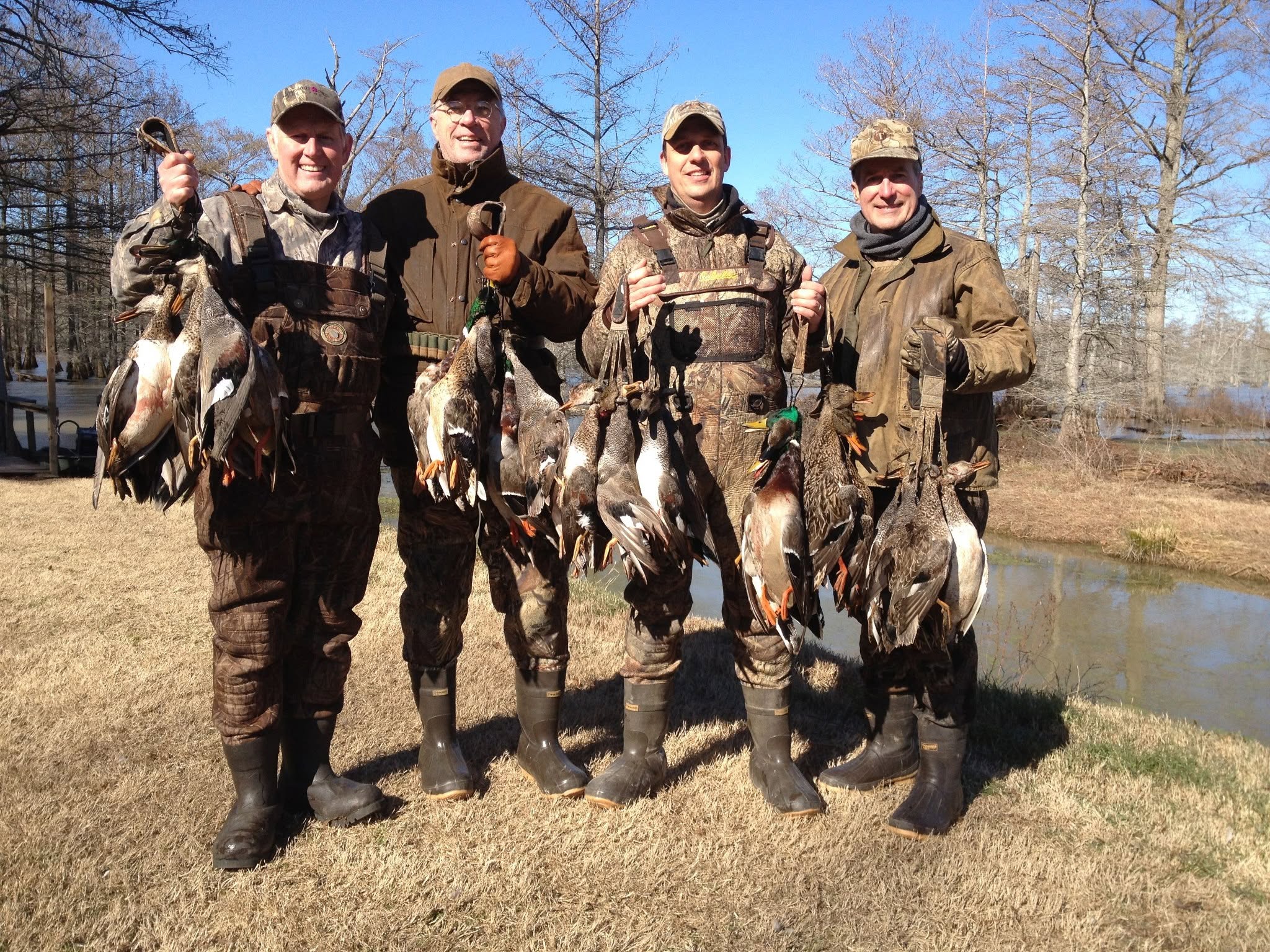
In the Mississippi Delta, duck hunting is more than a seasonal pursuit. It is a tradition shaped by the Mississippi Flyway, rich wetlands, flooded agricultural fields, and generations of hunters who have learned to read the landscape and the behavior of migrating waterfowl. For hunters seeking an authentic Southern duck-hunting experience, Beaver Dam Hunting Services offers an opportunity to experience this heritage in one of the region's most storied waterfowl destinations.
Located near Tunica, Mississippi, Beaver Dam Hunting Services is a family-owned outfitting business that has provided guided duck hunts since 1982. Its hunting environment includes flooded grain fields, willow sloughs, and the cypress-filled waters associated with historic Beaver Dam. These varied habitats create the distinctive character of Mississippi Delta waterfowling, where changing weather, seasonal migration, and local conditions influence each morning in the field.
For experienced hunters, the attraction is the challenge of understanding the birds and adapting to their behavior. For newcomers, it is a chance to learn about traditional duck hunting, field preparation, retriever dogs, and the equipment that brings a hunting setup together. At the center of this experience is one of the most enduring symbols of waterfowling: the duck decoy.
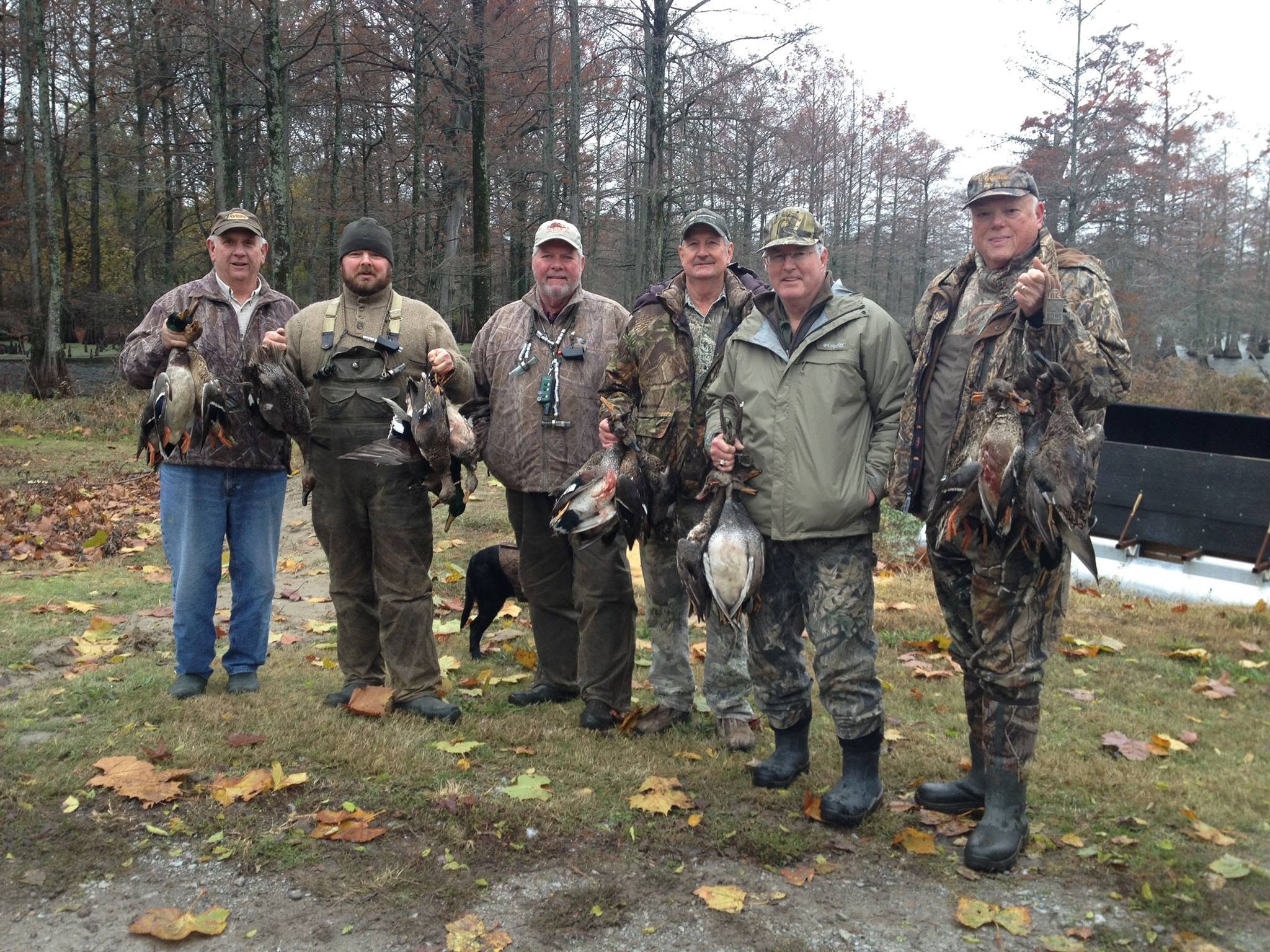
The Mississippi Flyway is one of North America's major migratory routes for waterfowl. Ducks move through the central United States as seasons change, using wetlands, rivers, lakes, flooded fields, and other suitable habitats for feeding and resting.
The Mississippi Delta provides a distinctive setting for this migration. Agricultural land, bottomland woods, shallow water, and cypress-filled sloughs create a varied landscape that can attract different species of ducks at different times of the season. Mallards, gadwalls, wigeons, green-winged teal, and wood ducks are among the species associated with the broader region, although actual sightings depend on local habitat and seasonal conditions.
This variety means that duck hunting requires observation and flexibility. Water levels, wind direction, temperature, visibility, and the availability of food all influence where ducks may gather. A location that holds birds one morning may change as conditions shift, making scouting and local knowledge essential parts of the experience.
Beaver Dam Hunting Services emphasizes access to diverse habitats and guided morning hunts. For visitors, the setting offers more than an opportunity to pursue waterfowl. It is a chance to experience the atmosphere of the Delta at dawn, when the landscape gradually emerges from the darkness and the sounds of migrating birds begin to fill the air.
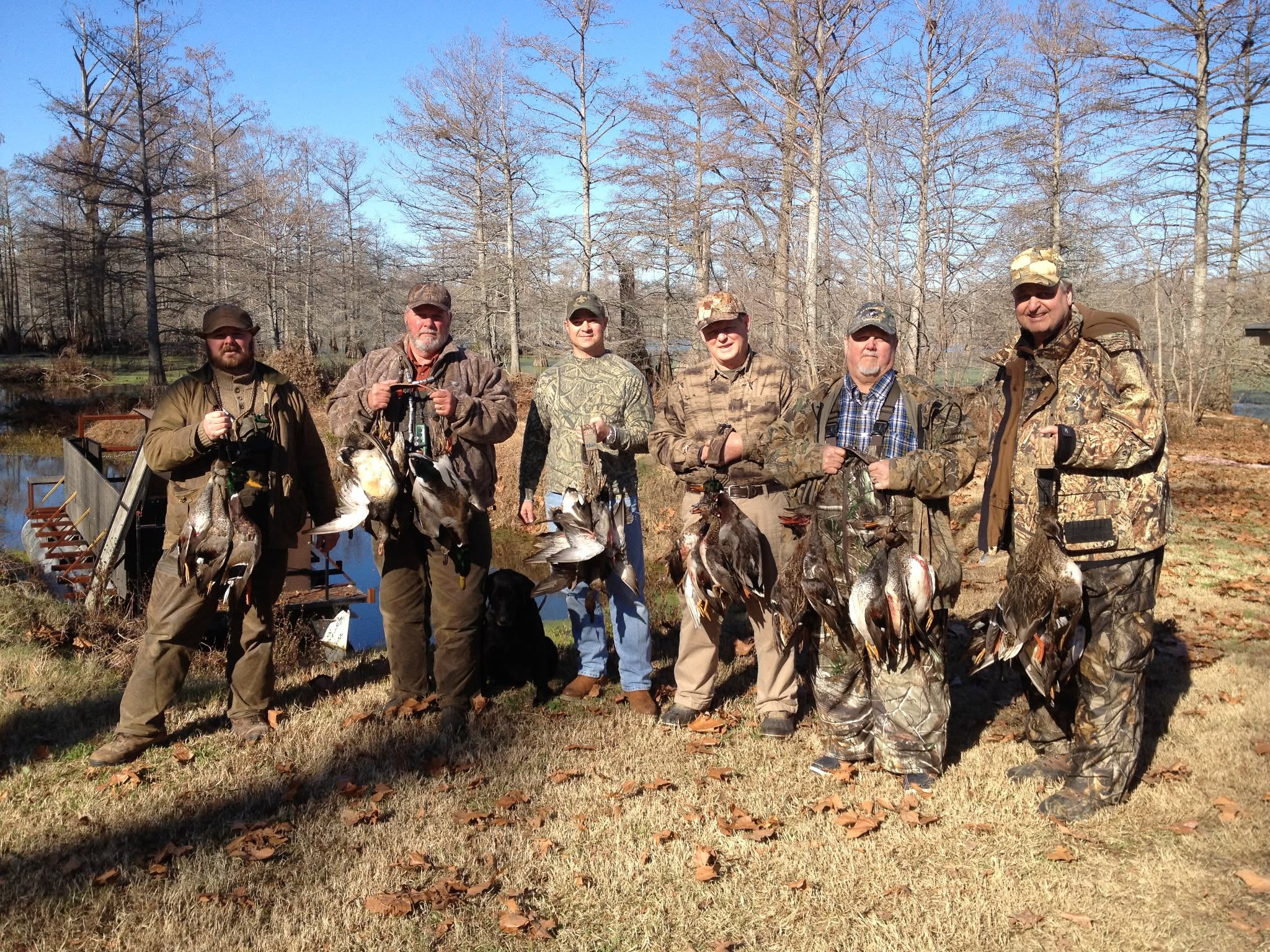
A successful duck hunt begins well before legal shooting time. Guides must understand local conditions, assess bird activity, select suitable locations, and prepare the hunting area. Hunters need to be ready for changing weather, wet ground, and the particular demands of the habitat.
Beaver Dam Hunting Services offers guided duck hunts supported by local experience and knowledge of the surrounding landscape. Its published information describes hunting in varied environments, from flooded grain fields to wooded waters, allowing the experience to reflect the character of the Mississippi Delta rather than relying on a single type of hunting ground.
For visiting hunters, a guide can provide valuable insight into the area's seasonal patterns and field conditions. A well-organized outing also allows guests to focus on observing birds, following safety instructions, and working together as a group.
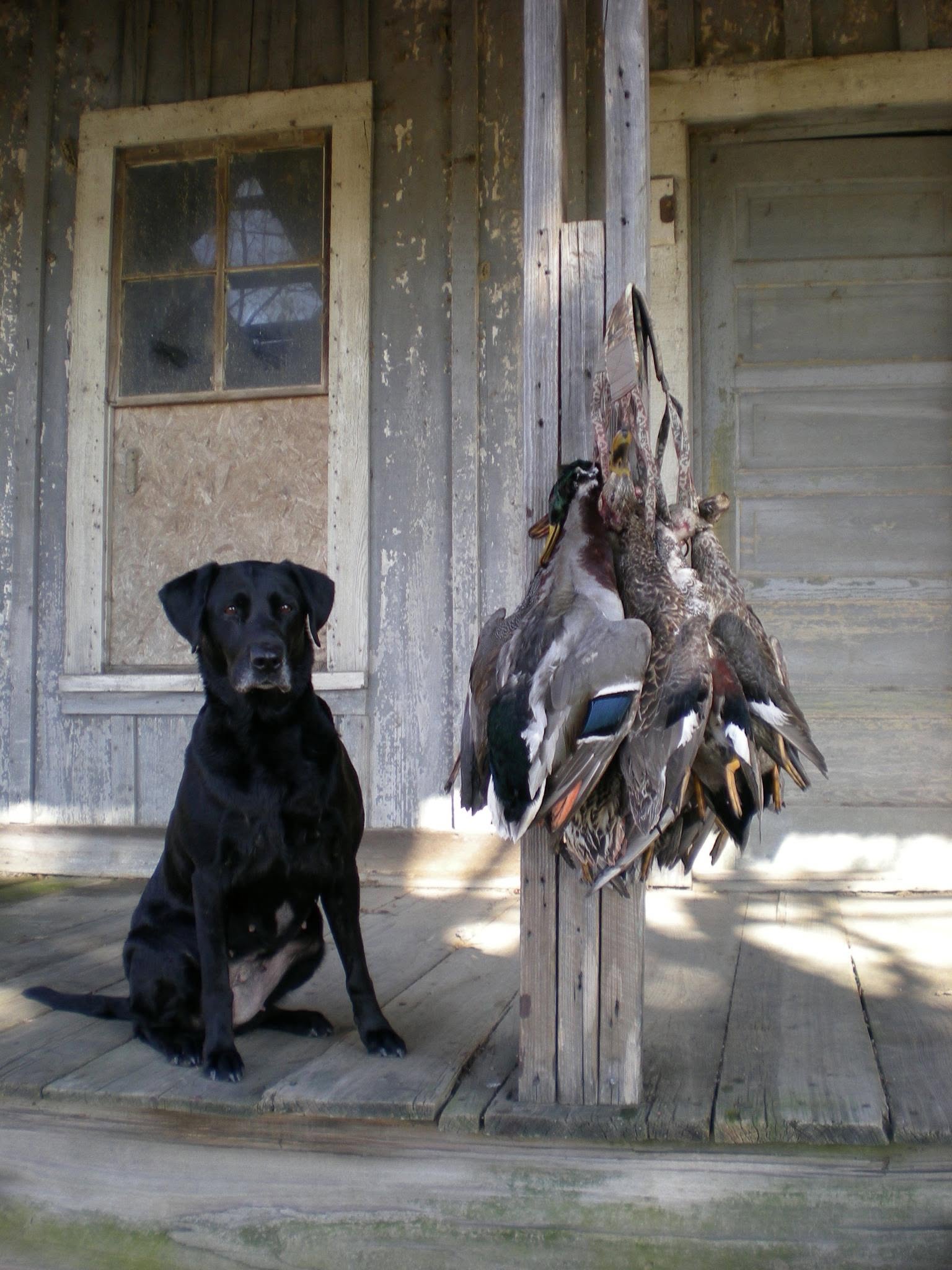
Duck hunting is a team activity. Guides and hunters must coordinate their movements, maintain concealment, and remain attentive to the surrounding environment. Retriever dogs can play an important role in locating and recovering harvested birds, adding another dimension to the partnership between people, animals, and the landscape.
These details are part of what makes guided hunting memorable. The experience includes the early departure, the preparation of equipment, the quiet wait before sunrise, and the shared excitement when ducks approach the hunting area.
Duck decoys are among the most recognizable elements of North American waterfowling. Their purpose is practical, but their cultural significance extends well beyond the hunting field. Decoys connect generations of hunters through craftsmanship, observation, and a shared appreciation for waterfowl.
Historically, many decoys were carved from wood and painted by hand. Carvers studied the shape of a duck's body, the proportions of its head, its natural posture, and the patterns of its plumage. The resulting models were functional hunting tools as well as expressions of regional folk art.
The tradition of decoy carving remains important to collectors and hunters. Hand-carved wooden birds may carry distinctive details that reflect the maker's style, while antique examples can provide a glimpse into the history of waterfowl hunting and the communities that depended on it.
Modern hunting has expanded the range of available decoys. Durable plastic mallard decoys, floating models, full-body birds, silhouettes, and motion decoys offer different options for different environments. The choice depends on the species, habitat, weather, transport requirements, and the overall hunting plan.
Beaver Dam has a particularly strong connection to the heritage of decoys. Its hunting history is associated with traditional waterfowling and with the broader cultural legacy of the legendary writer Nash Buckingham. Modern accounts of hunting at Beaver Dam also describe the use of contemporary decoys alongside the enduring atmosphere of historic blinds and wooded waters.
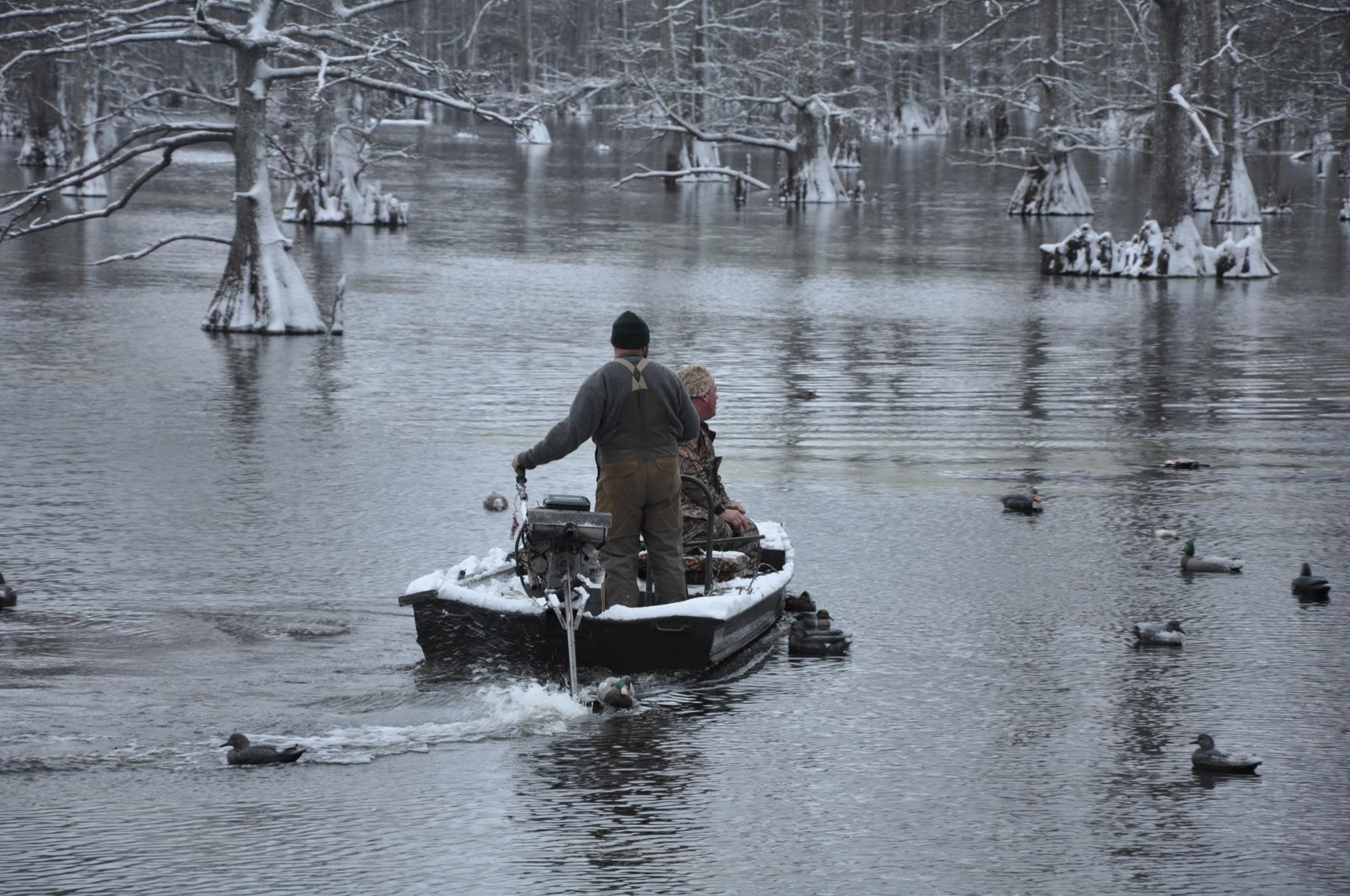
Using decoys effectively requires more than placing a group of models in the water. Hunters must consider the habitat, wind direction, visibility, the behavior of local ducks, and the way birds may approach the setup.
In open water, decoys may be arranged to resemble resting or feeding ducks, with enough space to create a natural-looking scene. In wooded wetlands, the layout may need to reflect the narrower spaces and more sheltered conditions of the environment. The goal is not to follow one universal pattern, but to make decisions that suit the specific location.
Beaver Dam's cypress-filled waters and wooded hunting areas provide a distinctive context for this approach. Historical descriptions of hunting in the area emphasize that ducks in timber environments may behave differently from birds over open water. The arrangement of decoys, the amount of calling, and the placement of the blind all need to suit local conditions.
This is where field experience matters. A guide's knowledge of the environment can help determine where to position decoys and how to respond when birds change direction or appear from unexpected angles. The result is a hunting setup shaped by observation rather than a fixed formula.
For enthusiasts who appreciate decoy culture, watching this process unfold can be one of the most interesting parts of the trip. Every model has a place in the spread, and the overall arrangement reflects a combination of practical judgment and respect for the birds.
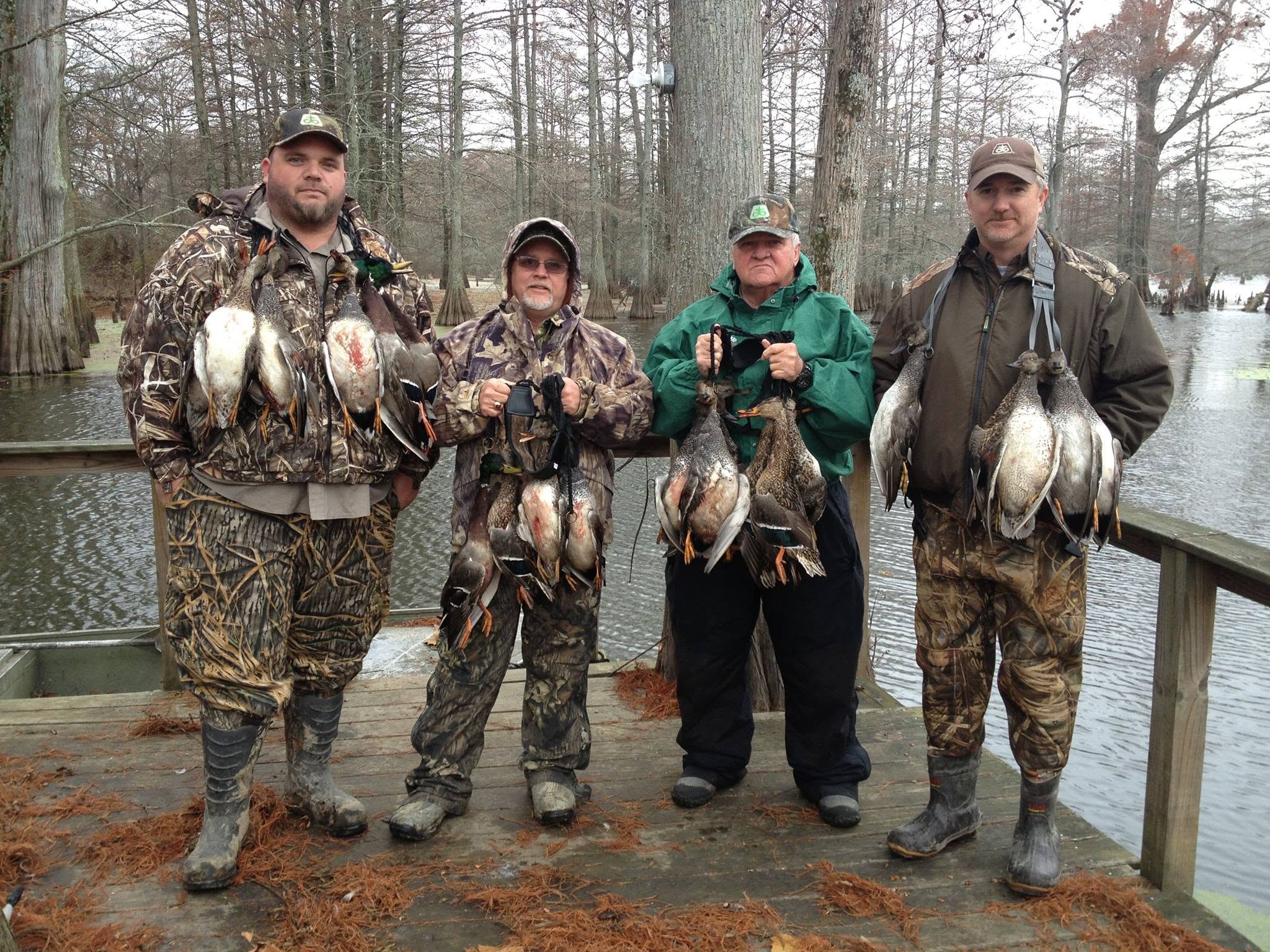
Beaver Dam is more than a name associated with a hunting destination. Its history is intertwined with the development of Southern waterfowling and the literary tradition that helped make Mississippi duck hunting famous.
The area became widely known through the writings of Nash Buckingham, an influential outdoor writer whose stories captured the atmosphere, personalities, and traditions of hunting in the Mississippi Delta. His accounts helped establish Beaver Dam as a place of special significance to generations of waterfowl enthusiasts.
The historic Beaver Dam Ducking Club became part of this legacy, and the tradition continues through Beaver Dam Hunting Services. The company's own historical account celebrates the area's connection with earlier hunters and the enduring appeal of returning to familiar waters, blinds, and landscapes.
For visitors familiar with American hunting literature, a trip to Beaver Dam can offer a tangible connection with the stories they have read. For others, it is an opportunity to discover how a local hunting tradition became part of the wider culture of North American outdoor recreation.
The setting itself contributes to that sense of continuity. Cypress trees rise above dark water, willow-lined channels create natural corridors, and the first light of morning reveals the landscape gradually. These surroundings distinguish Beaver Dam from many open-field hunting destinations and give the experience a strong sense of place.
This history is not simply a marketing theme. It is part of the identity of the destination: a reminder that hunting traditions are shaped by places, people, stories, and the relationships built over many seasons.
For many waterfowl hunters, the image of mallards descending through a timber canopy is one of the most recognizable scenes in Southern duck hunting. The experience differs from hunting over wide-open fields, where large decoy spreads and long sightlines often define the setup.
In wooded wetlands, hunters must work with the shape of the habitat. Trees, branches, channels, and changing water levels influence visibility and the movement of birds. The blind becomes part of the surrounding landscape, and the decoy arrangement must suit the conditions.
Mallards are strongly associated with the Mississippi Delta hunting tradition, while other ducks may also appear depending on habitat and season. The challenge lies in understanding how birds use the available water and cover, then adapting the hunting setup accordingly.
Beaver Dam Hunting Services' combination of flooded fields, willow sloughs, and cypress-filled waters provides a varied setting for this style of waterfowling.
The role of a retriever adds another important element. A well-trained dog can help recover birds from water, mud, and vegetation, working closely with the guide and hunters. The partnership between hunter and dog is a long-standing feature of waterfowl culture and one of the most memorable parts of many duck hunts.
For guests, the experience is about much more than the moment a bird enters range. It includes reading the water, listening for wings overhead, following the guide's instructions, and seeing how the team works together in a challenging natural environment.
The evolution of decoys reflects the broader development of hunting equipment. Early wooden decoys were shaped by hand, often with tools and materials available locally. Their makers used close observation of real birds to create recognizable forms, balancing realism with the practical requirements of field use.
Over time, decoy carving developed into a respected craft. Different regions and individual carvers became known for particular shapes, paint schemes, and construction methods. Some antique decoys are now collected as examples of American folk art and hunting history.
Modern decoys offer a different set of advantages. Molded plastic designs can be durable, relatively lightweight, and easier to produce in consistent quantities. Floating mallard models, motion decoys, and other modern products give hunters more choices when preparing a setup.
Yet traditional and modern decoys share the same basic purpose: they help hunters create a visual scene that fits the environment and reflects the behavior of waterfowl. Neither craftsmanship nor technology can replace an understanding of habitat, careful scouting, and thoughtful placement.
Beaver Dam's history offers a natural connection between these generations of equipment. The broader legacy of the location celebrates classic waterfowling, while contemporary hunting practice continues to use modern decoys and field equipment.
For decoy collectors, this relationship between tradition and modern use is especially meaningful. A carved wooden mallard may tell a story about an earlier generation of hunters, while a modern decoy represents the practical needs of today's field. Both belong to the continuing story of waterfowl hunting.
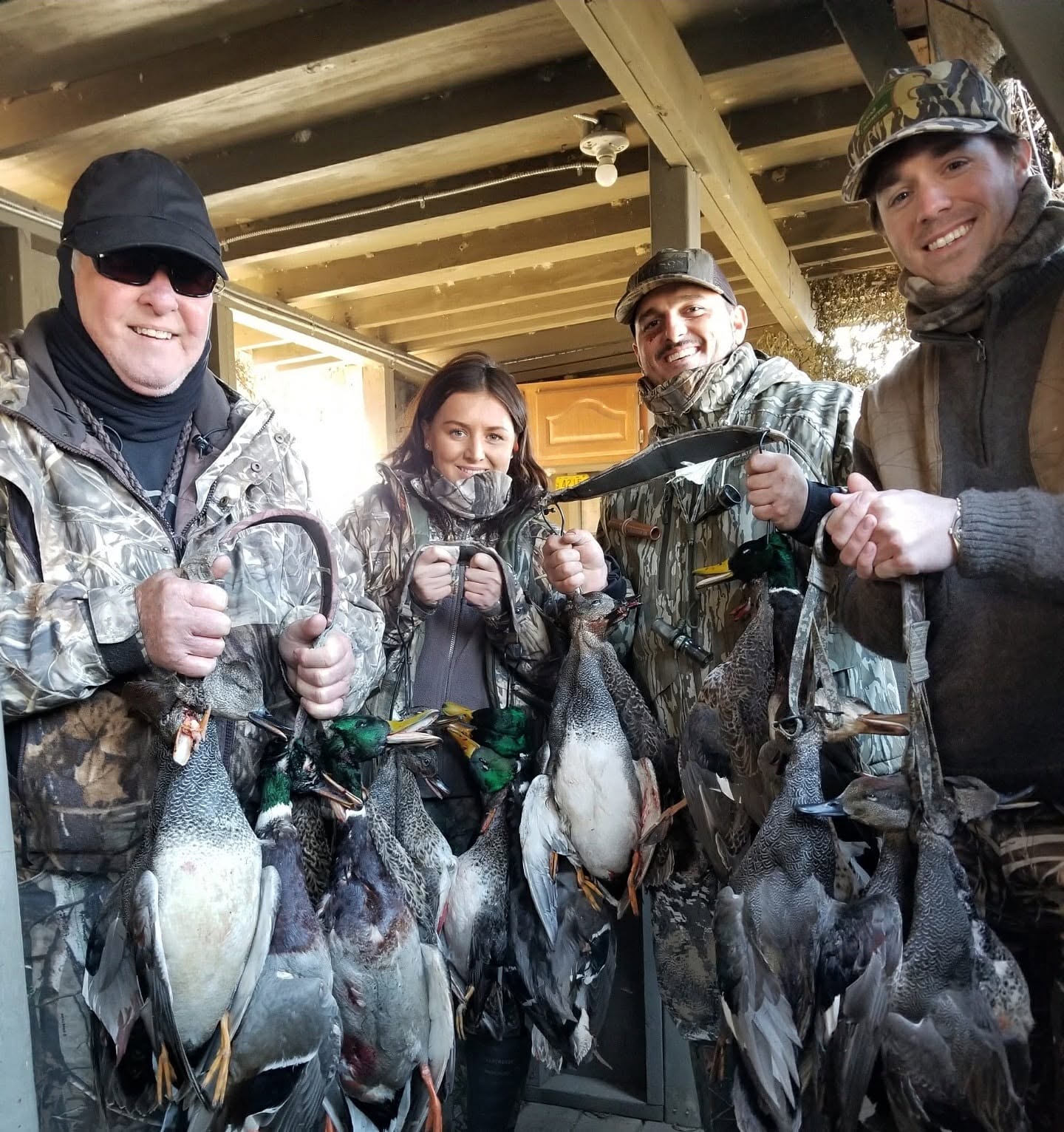
A guided duck hunt is often remembered through the people who share it. Friends, relatives, and hunting partners travel together, prepare equipment, rise before sunrise, and return with stories from the field.
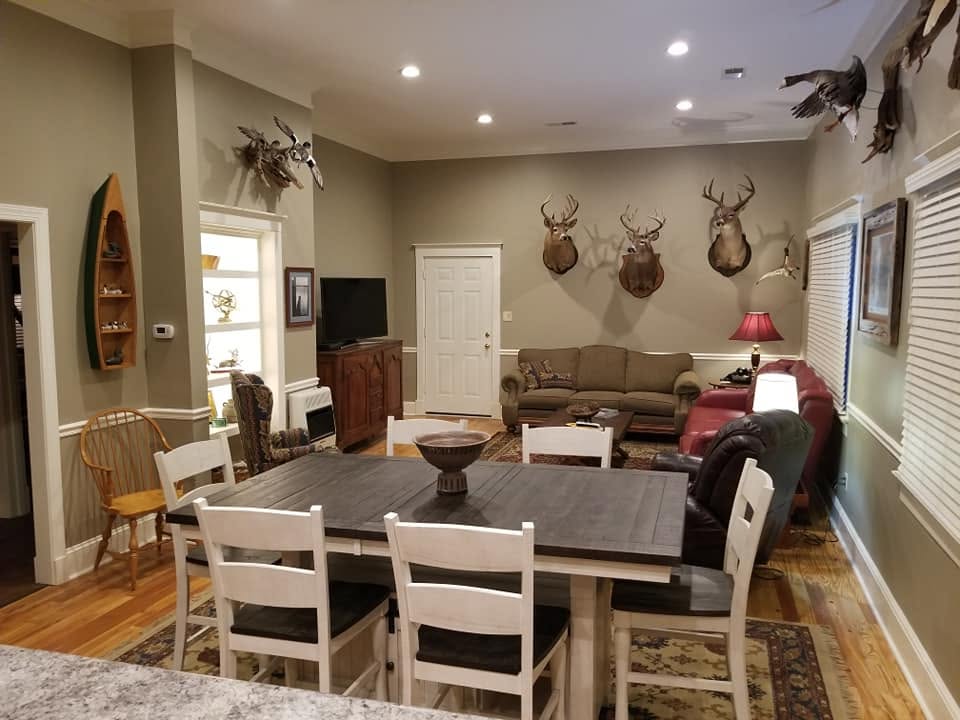
A camp or shared lodging arrangement can provide a natural setting for these interactions. Guests can review the day's conditions, talk about the birds they saw, exchange ideas about decoy placement, and prepare for the next morning. These moments help transform a scheduled hunt into a broader outdoor experience.
Beaver Dam Hunting Services publishes packages that offer guided hunting with optional or included camp accommodation depending on the selected arrangement. The official pricing page outlines different rates, minimum group requirements, and booking conditions. Since prices and availability can change, prospective guests should confirm current details directly with the outfitter before booking.
For visitors traveling from outside Mississippi, planning ahead is especially important. Guests should confirm accommodation arrangements, travel timing, licences, required equipment, and any specific preparation recommended by the guide.
The social side of hunting is part of its enduring appeal. Conversations around the camp, the shared effort of setting decoys, and the anticipation of the next day's hunt create memories that extend well beyond the time spent in the blind.
The continuation of waterfowl hunting depends on respect for wildlife, habitat, and the laws governing migratory birds. Before a trip, hunters should check current Mississippi regulations, confirm licence and stamp requirements, and understand the applicable season dates, daily limits, legal shooting hours, and equipment rules.
Safe firearm handling is essential. Hunters must identify targets positively, follow guide instructions, maintain awareness of other participants, and respect property boundaries. Appropriate efforts should be made to retrieve harvested birds, and dogs should be handled responsibly.
Decoy use and electronic equipment must also comply with the rules in force for the relevant location and season. Regulations can change, so current official guidance should always take precedence over older promotional material or general advice.
Responsible hunting also means respecting the wetlands and agricultural landscapes that sustain waterfowl. Visitors should avoid unnecessary disturbance, leave no litter, and follow any requirements set by landowners or guides.
These practices help protect the outdoor environment and preserve the tradition for future generations. The best hunting experiences combine knowledge and preparation with safety, respect, and appreciation for the natural world.
Beaver Dam Hunting Services offers a distinctive perspective on American waterfowling by combining guided duck hunting with a landscape and history deeply associated with the Mississippi Delta.
For experienced hunters, the appeal includes the challenge of reading birds in wooded water, adjusting decoys to local conditions, and working with guides who understand the area's seasonal character. For newer hunters, the trip provides an introduction to hunting preparation, retriever dogs, decoy use, and the traditions of the Mississippi Flyway.
For collectors and enthusiasts, Beaver Dam has an additional attraction: its connection to the history of decoy use and American hunting literature. The stories associated with the region show how waterfowling can become more than a sport. It can form part of a family's identity, a community's heritage, and a lasting relationship with the land.
The combination of historic waters, varied habitat, local guiding experience, and the culture of decoys makes Beaver Dam a distinctive destination for hunters seeking an authentic Southern duck-hunting experience.
Beaver Dam Hunting Services — where Mississippi duck-hunting heritage, the art of decoying, and the spirit of the outdoors come together.
Official website: www.beaverdamducks.com


