
Views: 0 Author: Site Editor Publish Time: 2026-11-06 Origin: Site


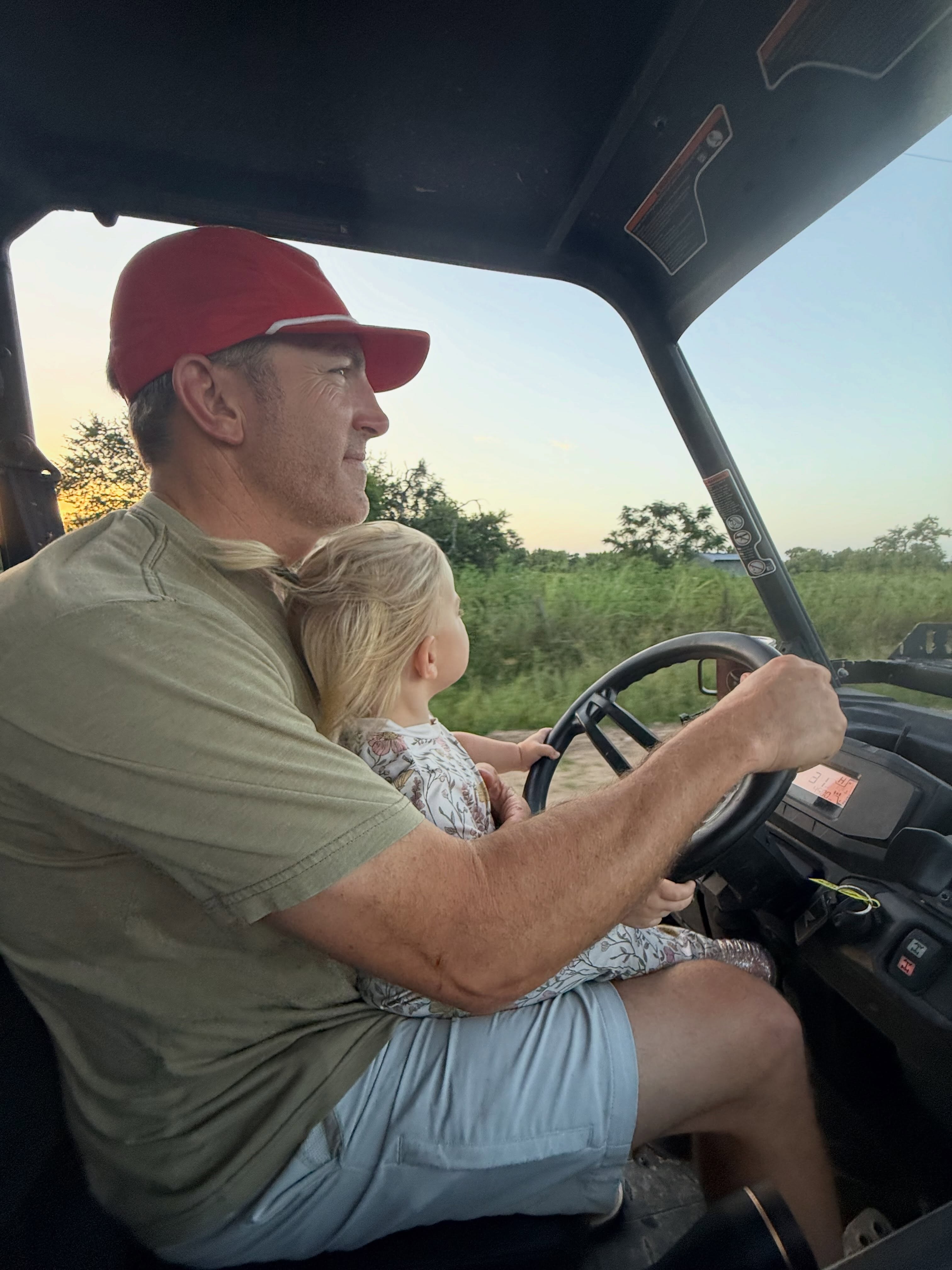
In the heart of Texas's south-central prairie country, where expansive rice fields meet seasonal wetlands and migratory birds follow the Central Flyway, Pintail Hunting Club offers an outdoor experience rooted in the traditions of North American waterfowl hunting.
Located near Garwood, approximately 90 miles southwest of Houston, Pintail Hunting Club has been dedicated to waterfowl hunting since 1980. Its managed properties cover more than 30,000 acres of owned and leased land, including harvested rice fields, managed waterfowl impoundments, prairie ponds, and roosting lakes. These diverse habitats create opportunities for hunters to experience the seasonal movement of ducks and geese across the Texas landscape.
For generations of hunters, Texas has represented more than a destination. It is a place where outdoor traditions, field knowledge, Southern hospitality, and the excitement of migratory waterfowl come together. Pintail Hunting Club brings these elements into one organized hunting experience, combining private hunting grounds, experienced guides, trained retrievers, comfortable lodging, and a range of outdoor activities.
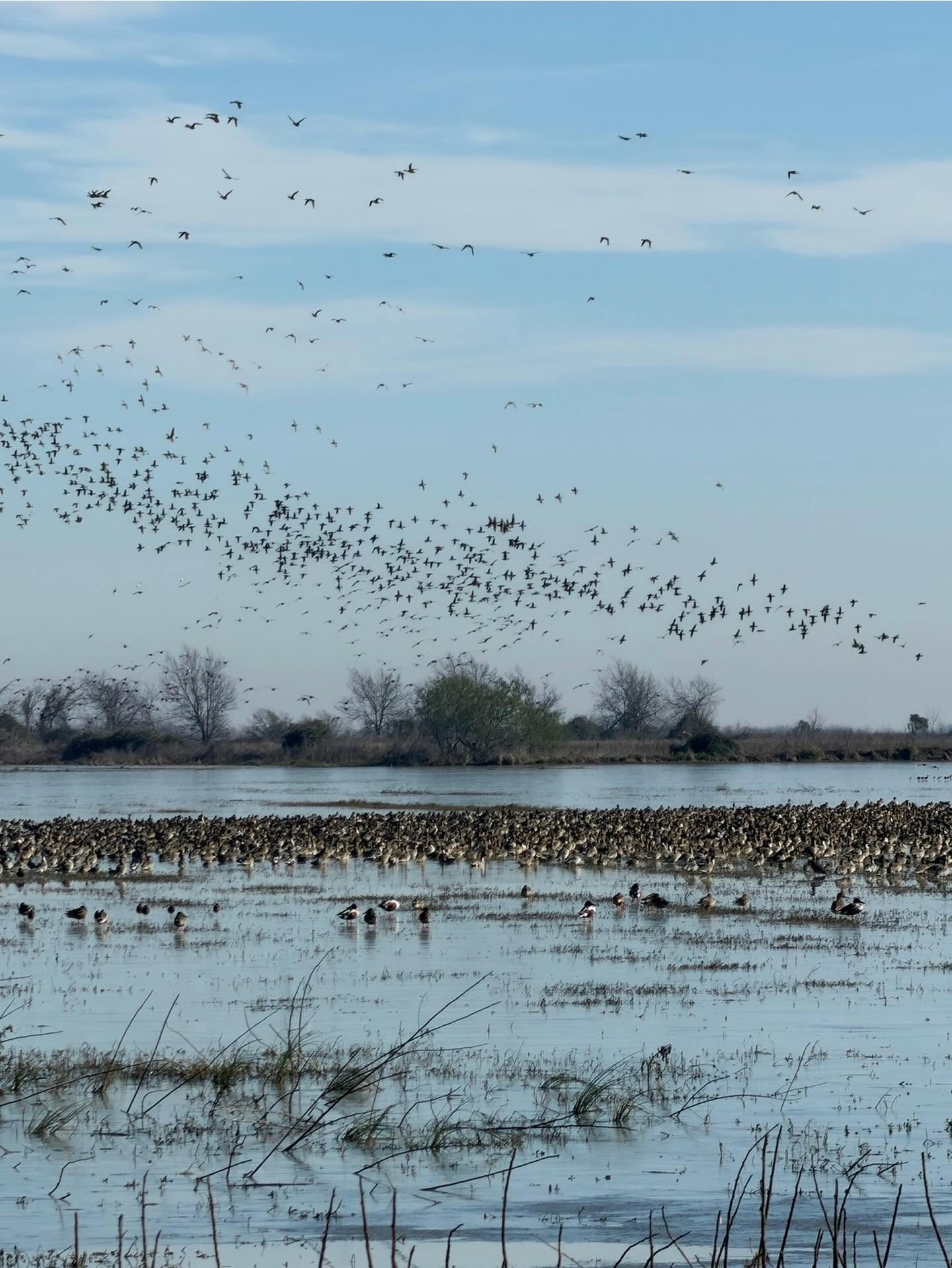
The Central Flyway is one of North America's major migratory bird routes. Every season, ducks and geese move through a variety of habitats, including agricultural fields, wetlands, prairie ponds, and lakes.
Pintail Hunting Club is positioned within this important migratory region. Its hunting properties include harvested rice stubble, managed waterfowl areas, prairie ponds, and roosting lakes. These landscapes provide different opportunities for hunters to observe and pursue migratory waterfowl.
Rice-field hunting is an important part of the Texas waterfowl tradition. After harvest, rice fields can provide food sources for migrating birds. Nearby ponds and managed wetlands offer additional habitat, creating a landscape where waterfowl may move between feeding and resting areas.
The variety of terrain allows hunting strategies to adapt to different conditions. A field hunt may require carefully arranged decoys and effective concealment, while a pond or wetland hunt may call for floating decoys and a different blind setup.
For visiting hunters, the experience is about more than pursuing birds. It is an opportunity to learn how local guides read the landscape, understand bird behavior, and prepare for changing weather and migration patterns.
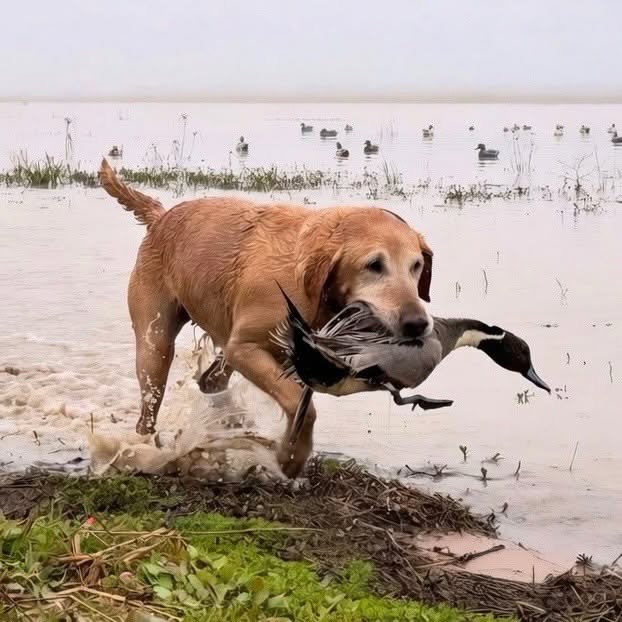
Experience in the field is one of the most valuable elements of a guided waterfowl hunt.
Pintail Hunting Club highlights its professional guides, whose experience is described on the official website as approximately 25 to 30 years in the field. Their work includes scouting, working with hunting dogs, identifying bird activity, calling waterfowl, and preparing hunting locations. The club emphasizes that its guides share their knowledge of bird behavior, firearms, ammunition, and hunting techniques with guests.
Before a hunt, guides scout the property and prepare the hunting area. Decoys are arranged, blinds are made ready, and trained retrievers are available to support the experience. Guests are paired with a guide who helps coordinate the outing and explain the practical details of the hunt.
This approach is particularly valuable for visitors who may be unfamiliar with Texas rice-field hunting. New hunters can learn about concealment, calling, decoy placement, and safe field practices, while experienced hunters can exchange ideas and refine their techniques.
A guided hunt is not simply a matter of arriving at a location. It is a coordinated process involving local knowledge, preparation, equipment, teamwork, and respect for the unpredictable nature of wild birds.
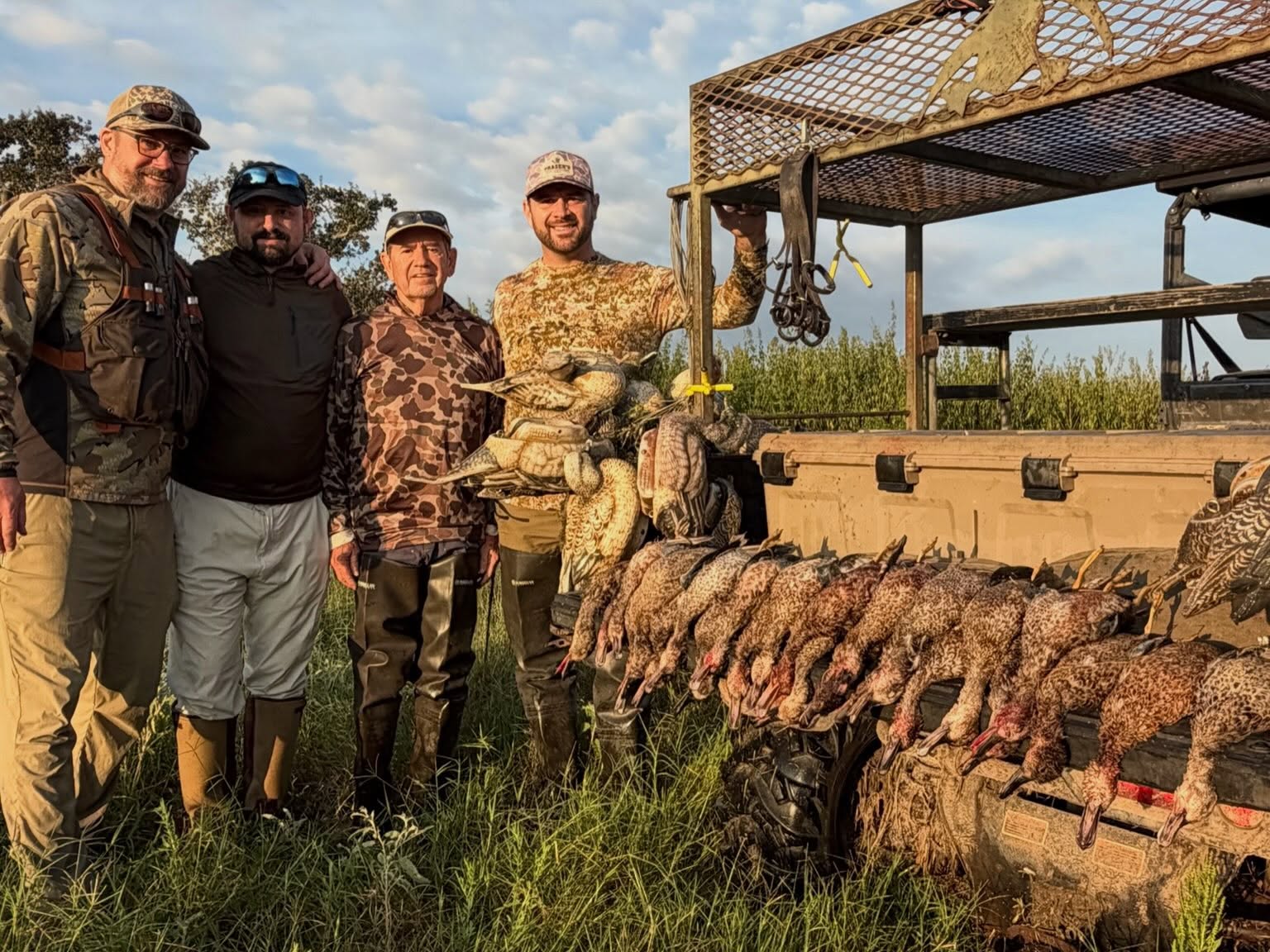
Few elements are more closely connected to North American waterfowl hunting than the duck decoy.
For generations, hunters have used artificial ducks and geese to create the appearance of a natural flock. Traditional wooden decoys were often carved and painted by hand, reflecting the craftsmanship and regional hunting traditions of their makers.
Modern decoys have expanded this heritage through molded plastic, EVA materials, full-body goose models, floating duck decoys, silhouettes, and motion decoys. Each design offers different advantages in appearance, weight, durability, portability, and practical field use.
At Pintail Hunting Club, decoy placement is an important part of the guided hunting experience. The club specifically describes how its guides work a spread of decoys to attract wary waterfowl within range. Its guided-hunting information also explains that guides scout regularly and prepare the decoys and blinds before guests arrive.
A well-designed decoy spread is more than a large collection of models. It is a carefully planned visual arrangement that takes into account the target species, wind direction, visibility, water depth, field conditions, and the natural behavior of birds.
In Texas rice fields, goose decoys and duck decoys can help create the impression of feeding or resting birds. In ponds and wetlands, floating decoys can be arranged to suit the water and available cover.
The relationship between decoys and blinds is equally important. Hunters need to consider how the setup looks from the perspective of approaching birds and how the hunting position blends into the surrounding environment.
This is where decoy culture becomes more than equipment. It represents fieldcraft, observation, experience, and a tradition passed from one generation of hunters to another.
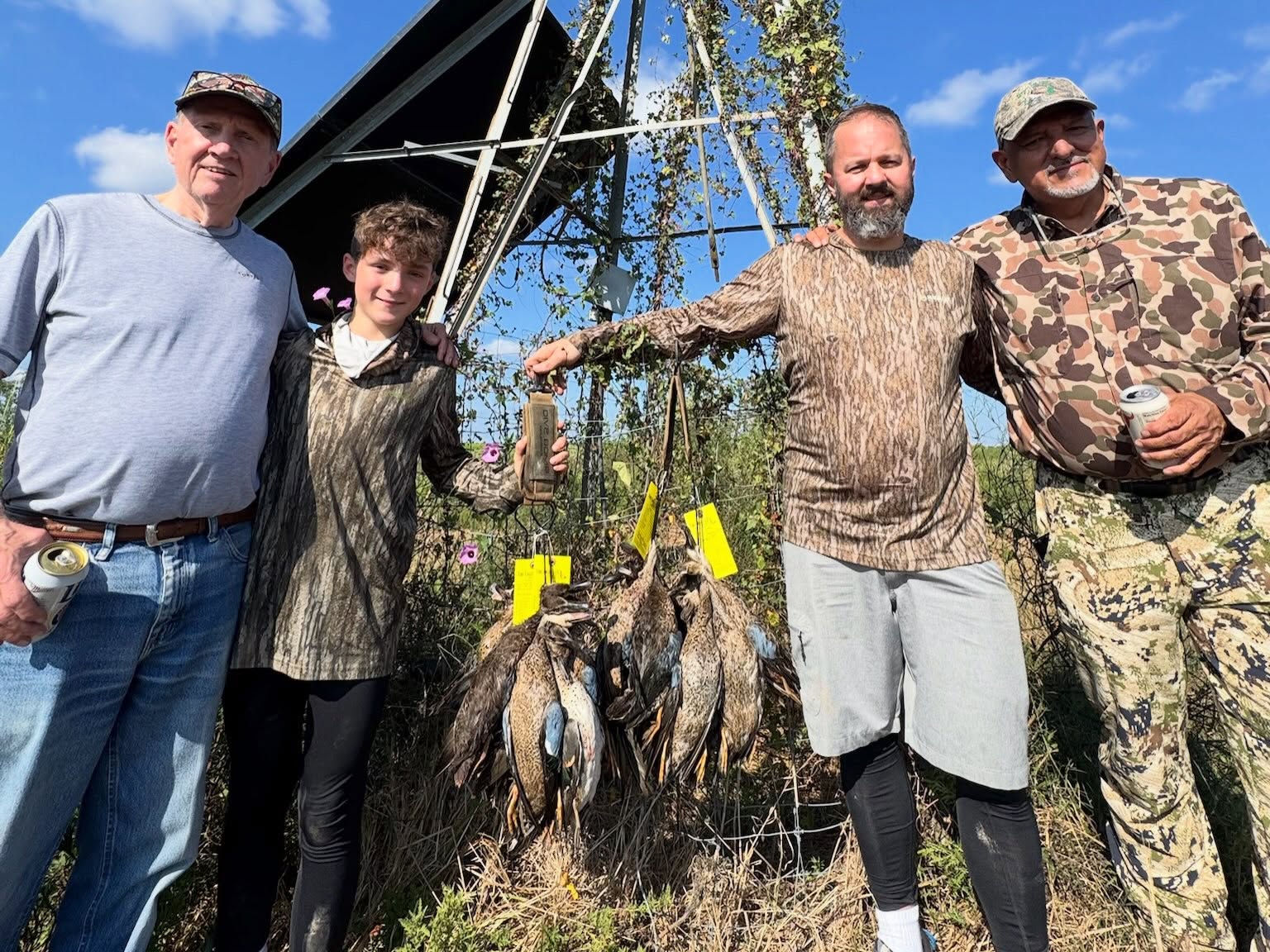
The evolution of decoys reflects the wider development of the waterfowl hunting industry.
Traditional wooden decoys remain valued for their craftsmanship and heritage. Some are collected as examples of folk art, while others are maintained as practical hunting equipment. Modern molded decoys, by contrast, are designed for hunters who need durable products that can be transported, stored, and used repeatedly in demanding field conditions.
Different hunting environments call for different types of decoys:
Mallard Duck Decoys: Commonly used to create a natural-looking duck spread.
Pintail Duck Decoys: Represent an important species in traditional North American waterfowl culture.
Full-Body Goose Decoys: Provide a three-dimensional field presentation.
Silhouette Goose Decoys: Offer a lightweight option for large field spreads.
Floating Duck Decoys: Designed for ponds, marshes, and other water-based setups.
Motion Decoys: Add visual movement when permitted and appropriate for the hunting location.
The right equipment depends on the target species, terrain, weather, transportation requirements, and local regulations. More decoys do not automatically produce a better setup. Natural presentation, suitable concealment, and thoughtful placement remain essential.
For manufacturers and outdoor retailers, Pintail Hunting Club's Texas rice-field environment illustrates the practical role of decoys in real hunting situations. It connects product design with the needs of hunters who value realistic appearance, durability, portability, and reliable field performance.
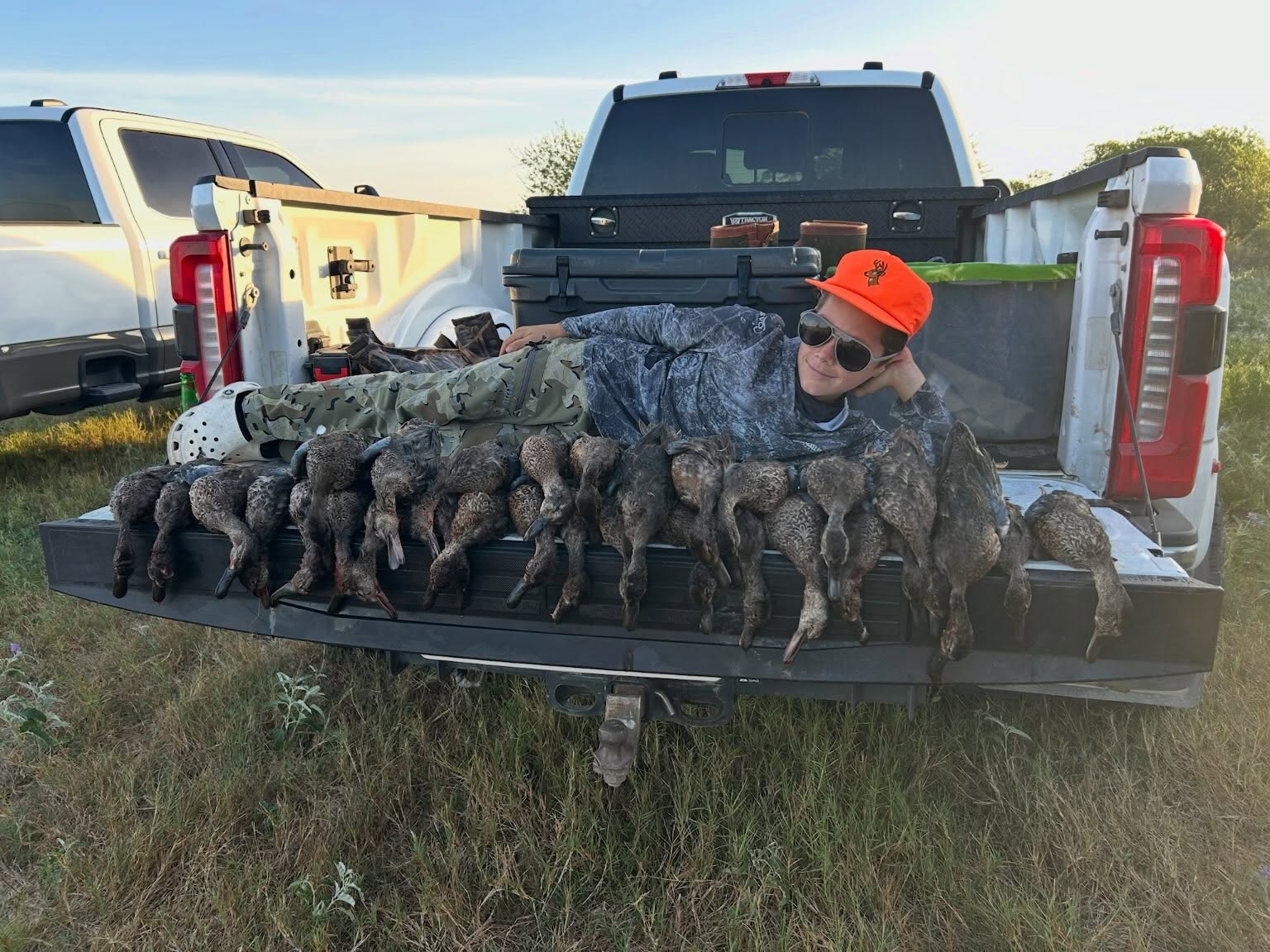
Hunting dogs are an important part of the North American waterfowl tradition.
A well-trained retriever contributes to the overall hunting experience through disciplined handling, reliable responses, and the ability to work across water, vegetation, and difficult terrain. At Pintail Hunting Club, the guides work with trained dogs and highlight their role in the guided hunting process.
For many hunters, watching a retriever work is one of the most memorable parts of a waterfowl outing. The relationship between hunter and dog reflects years of training, patience, and cooperation.
The combination of decoys, blinds, calls, experienced guides, and trained retrievers creates a coordinated hunting environment. Each element has a purpose, and the quality of the experience depends on how well these elements work together.
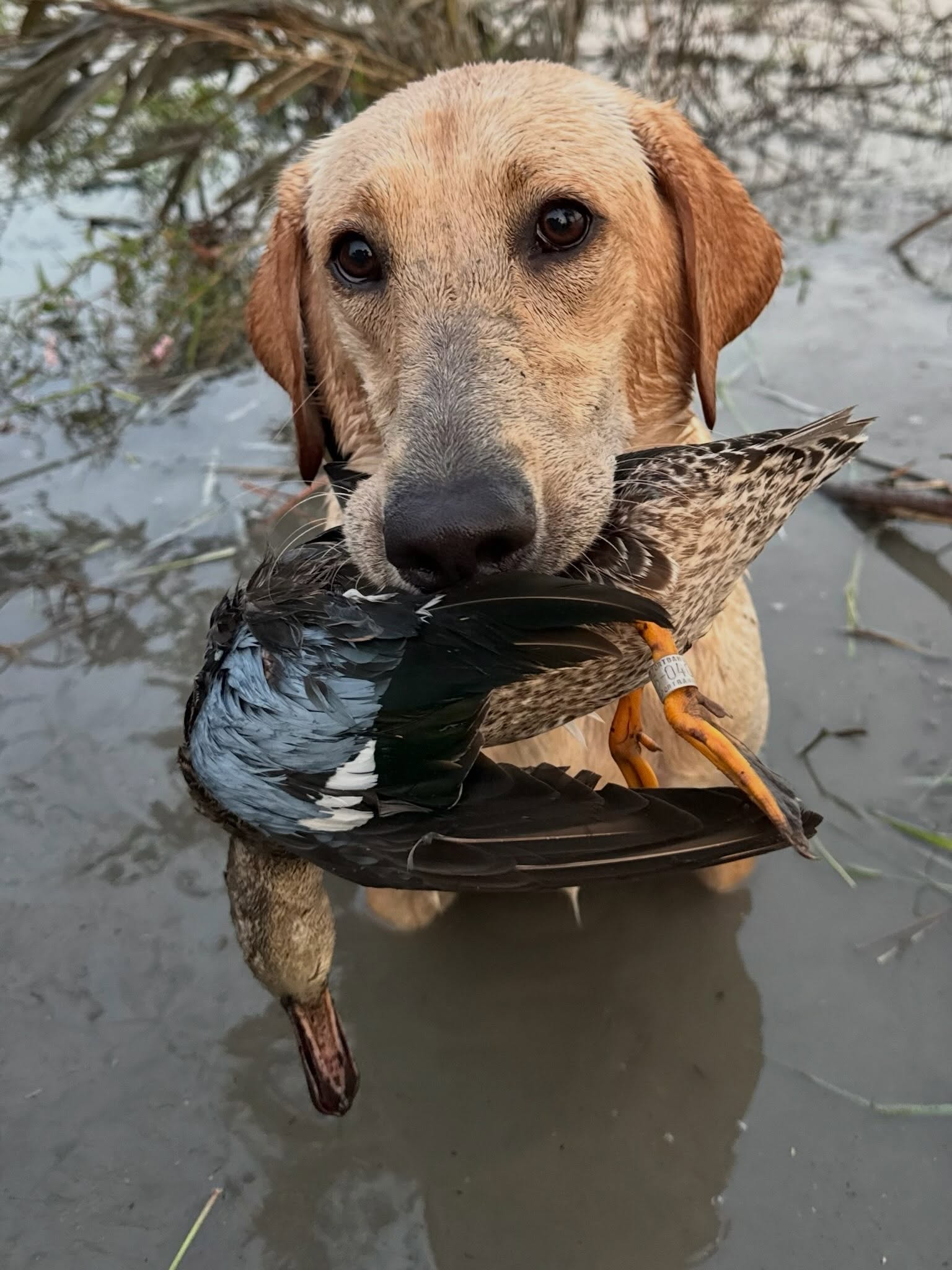
A memorable hunting trip is shaped not only by the hours spent in the field but also by the comfort and hospitality available after the hunt.
Pintail Hunting Club's El Cielo Lodge is described on its official website as a 14,000-square-foot facility with accommodation for up to 38 guests. It includes guest rooms with private bathrooms, dining areas, and shared spaces for relaxation and social activities.
Guests can arrive the afternoon before their first hunt, settle into the lodge, and enjoy activities such as sporting clays or fishing at the property's stocked ponds and bass lake. The next morning begins with breakfast before guests head out with their guides. After the hunt, meals and time to relax at the lodge form part of the experience.
This combination of hunting and hospitality makes the property suitable for different types of visitors. Friends can organize group trips, families can share outdoor experiences, and companies can arrange corporate hunting retreats.
The club specifically promotes group hunts, family hunts, and corporate hunts, presenting hunting as an opportunity to reconnect, strengthen relationships, and create shared memories.
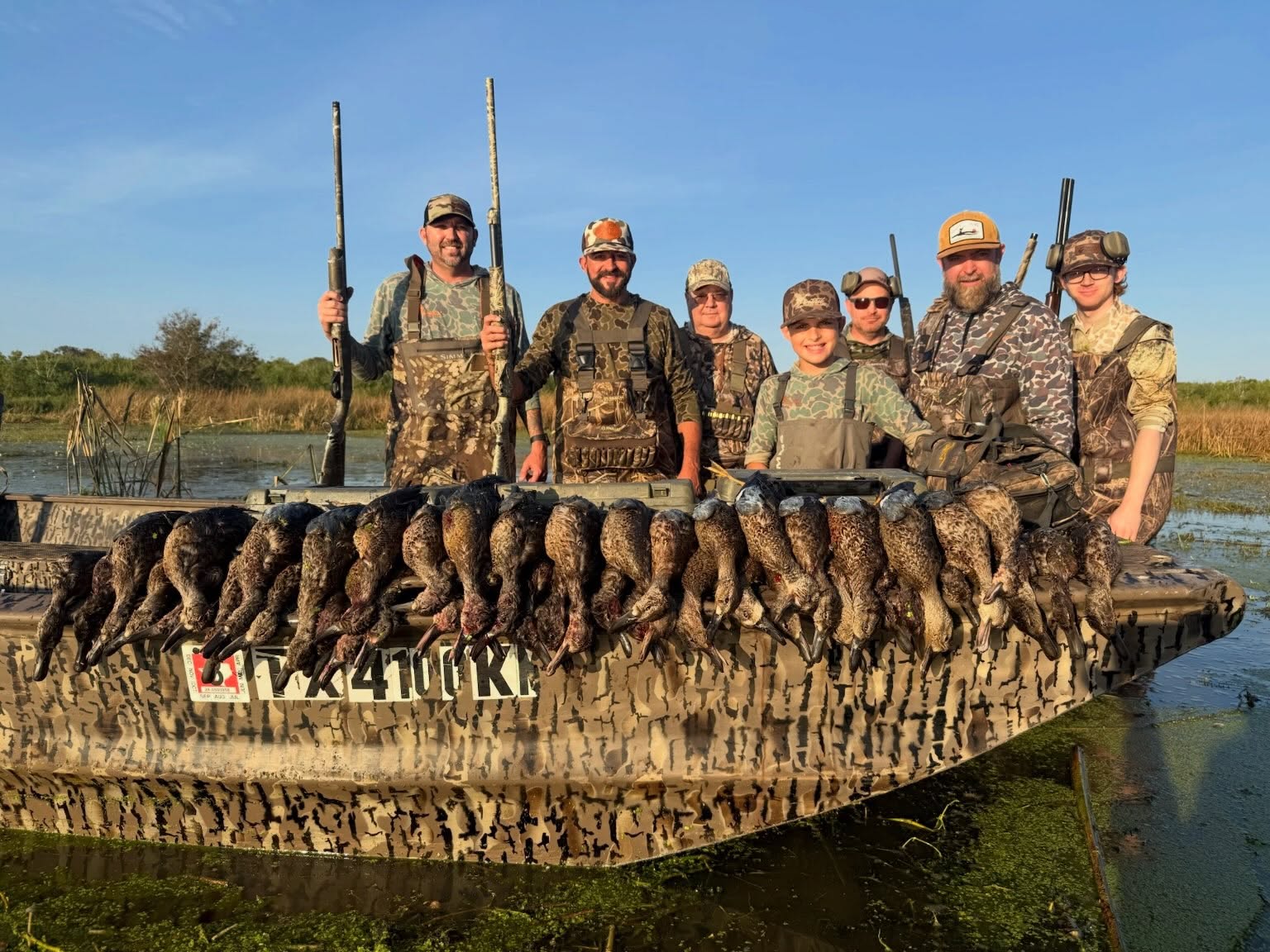
Pintail Hunting Club offers more than duck and goose hunting. Its official hunting information also highlights upland bird hunting, dove hunting, teal hunting, and bass fishing.
Upland hunting introduces a different style of wingshooting, with opportunities to pursue quail and pheasants over suitable cover and working dogs. Dove hunting offers another seasonal experience, while teal hunting adds to the variety of waterfowl opportunities.
For anglers, the club's headquarters property includes access to stocked fishing ponds and a large bass lake. Its website identifies lakes of approximately 38 to 40 acres, depending on the page description, with largemouth bass among the featured fish.
These additional activities make it possible to create a broader outdoor itinerary, combining morning hunts with afternoon recreation and time spent at the lodge.
The future of waterfowl hunting depends on respect for wildlife, habitat conservation, and responsible hunting practices.
Hunters should follow current Texas regulations concerning seasons, bag limits, licenses, ammunition, and permitted equipment. They should also respect private property, follow safe firearm practices, and ensure that dogs and hunting equipment are handled responsibly.
Decoys should be selected and used in accordance with applicable regulations. Hunters should also recognize that migration patterns, weather, and bird behavior are unpredictable. A responsible hunting experience is built on preparation and respect for nature, not guaranteed results.
By sharing knowledge about bird behavior, hunting dogs, fieldcraft, and equipment, experienced hunters can help preserve the traditions that make North American waterfowling distinctive.
Pintail Hunting Club brings together the landscapes of the Texas prairie, the traditions of Central Flyway waterfowl hunting, professional field guides, trained retrievers, and the hospitality of El Cielo Lodge.
From the first preparations of a decoy spread to the excitement of ducks and geese approaching the blind, every stage of the experience reflects the knowledge and teamwork behind successful field hunting.
For hunters, the appeal extends beyond the harvest. It lies in the early morning atmosphere, the changing prairie landscape, the skill of a well-trained dog, the experience of professional guides, and the friendships formed around a shared outdoor passion.
For those who appreciate Decoy culture, Pintail Hunting Club provides a real-world setting in which traditional hunting equipment and modern field practices come together.
More than a hunting destination, Pintail Hunting Club represents a longstanding Texas outdoor tradition—one built on land, wildlife, craftsmanship, hospitality, and the enduring spirit of waterfowl hunting.


