
Views: 0 Author: Site Editor Publish Time: 2026-10-08 Origin: Site


In the mountains of southwestern Colorado, outdoor traditions are deeply connected to the landscape. Third Generation Outfitters represents this tradition through a family-oriented outfitting operation based in Pagosa Springs, Colorado, where generations of experience, mountain knowledge and outdoor adventure come together.
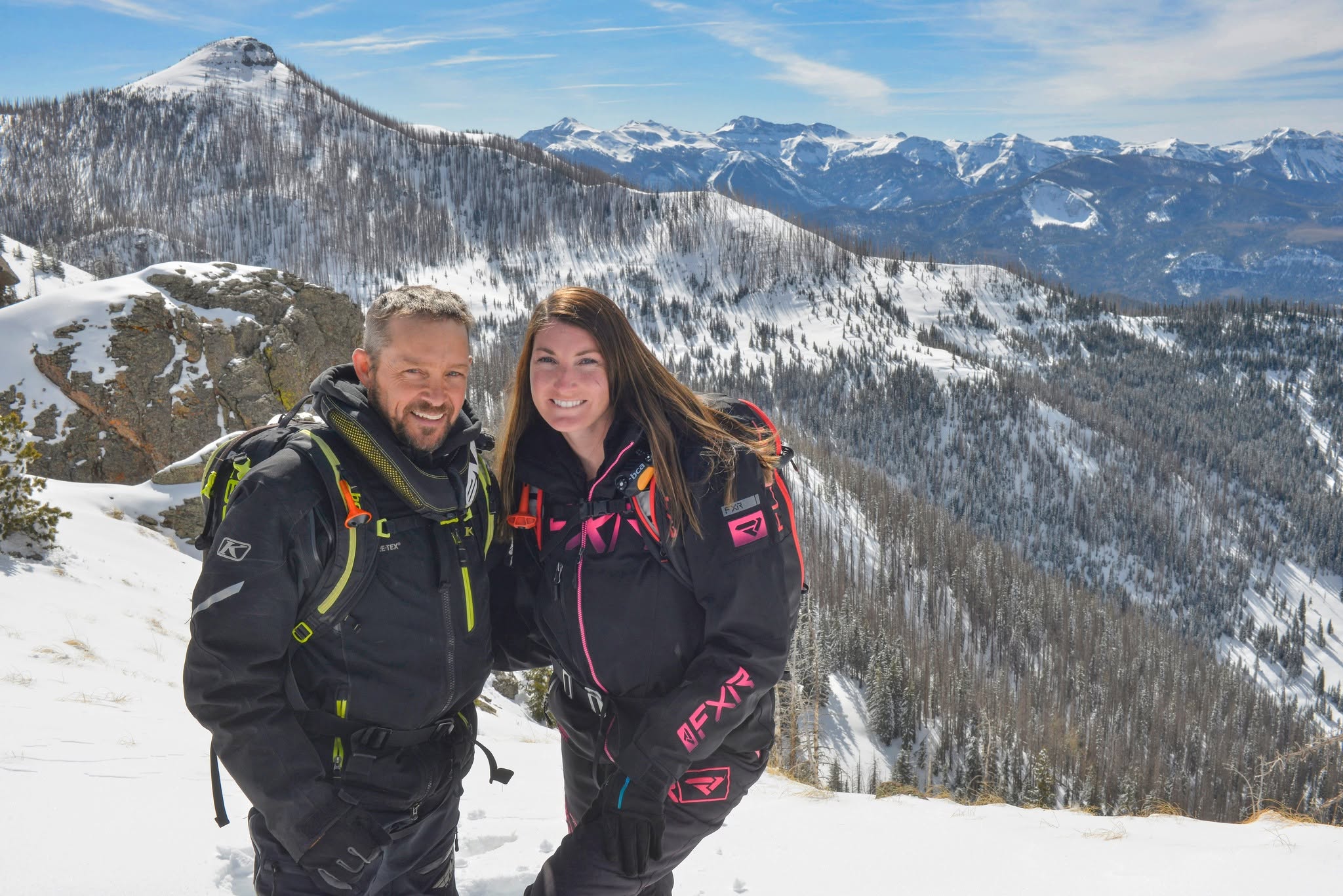
Public outfitter directories identify Forest and Jaclyn Bramwell with Third Generation Outfitters in Pagosa Springs, while Colorado outdoor resources continue to list the company among the region's professional outfitters.
The story behind Third Generation Outfitters is particularly interesting because it is not simply about guiding clients through the mountains. It is about maintaining a family connection to the outdoors.
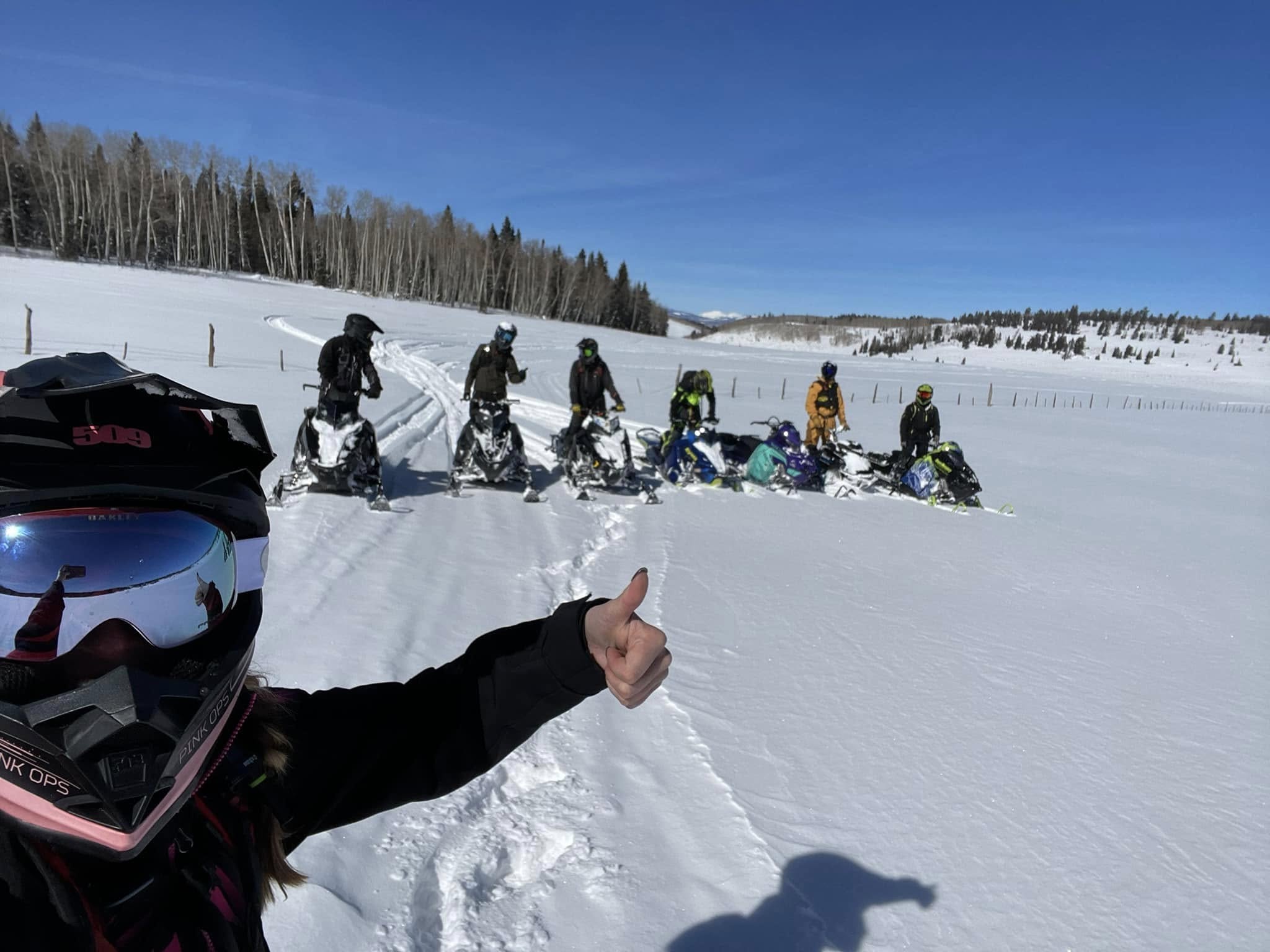
Third Generation Outfitters has roots in Pagosa Springs and the surrounding San Juan Mountain region. Historical Colorado sources identify the company at a Pagosa Springs address and list its outfitting services as part of the area's outdoor recreation economy.
Forest Bramwell's return to Colorado became an important chapter in the family's outfitting story. An account of the Bramwell family describes Forest purchasing the family business and later building the operation together with Jaclyn. Their background illustrates an important characteristic of traditional American outfitting: guiding is often more than a commercial activity—it becomes part of a family's lifestyle and identity.
This kind of heritage is particularly valuable in modern hunting culture.
Hunters increasingly look for authentic experiences rather than simply a destination. They want to understand the landscape, learn from experienced guides, experience wildlife habitat and spend time in places where outdoor traditions remain part of everyday life.
That is where the outfitter plays an important role.
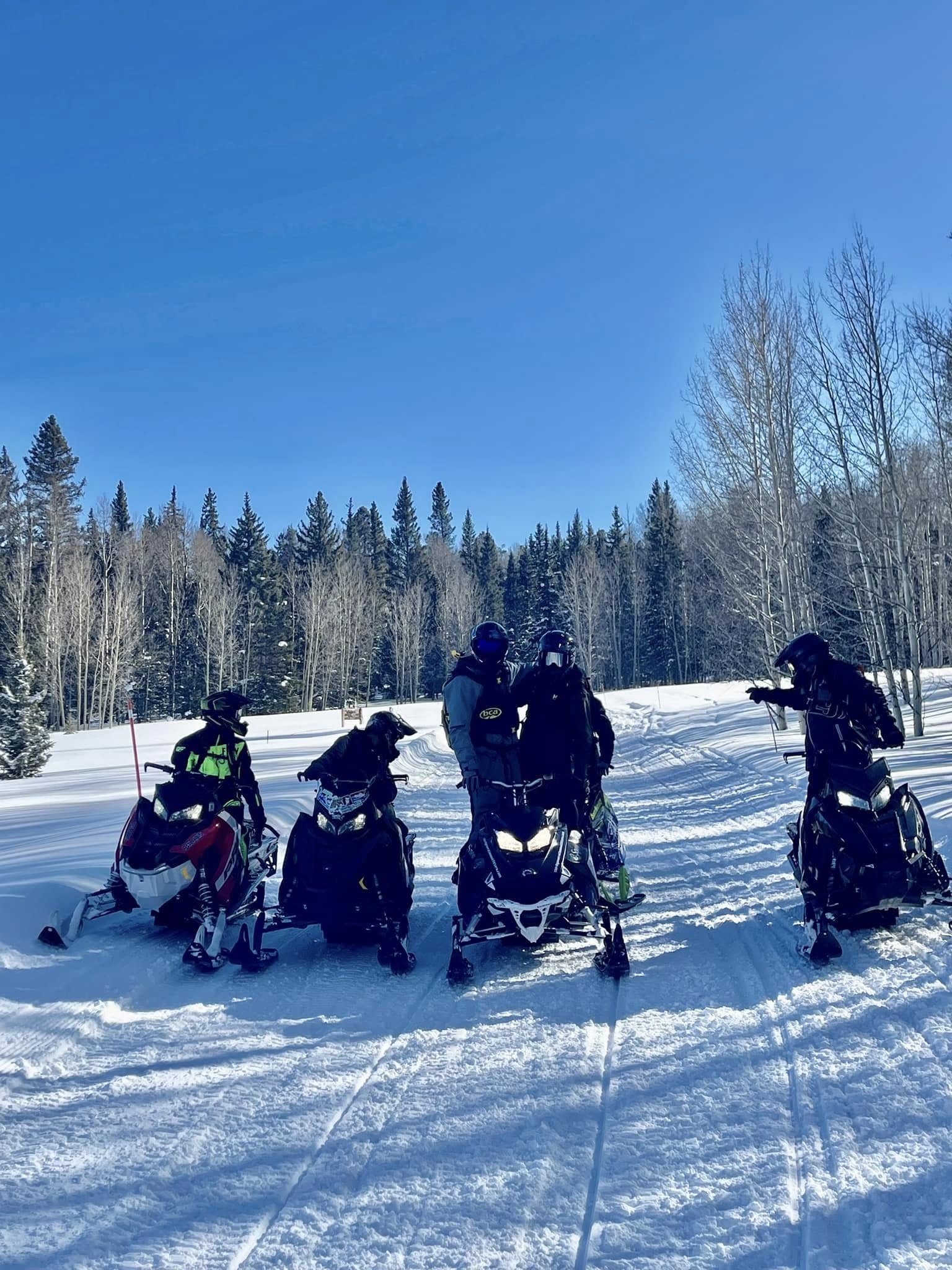
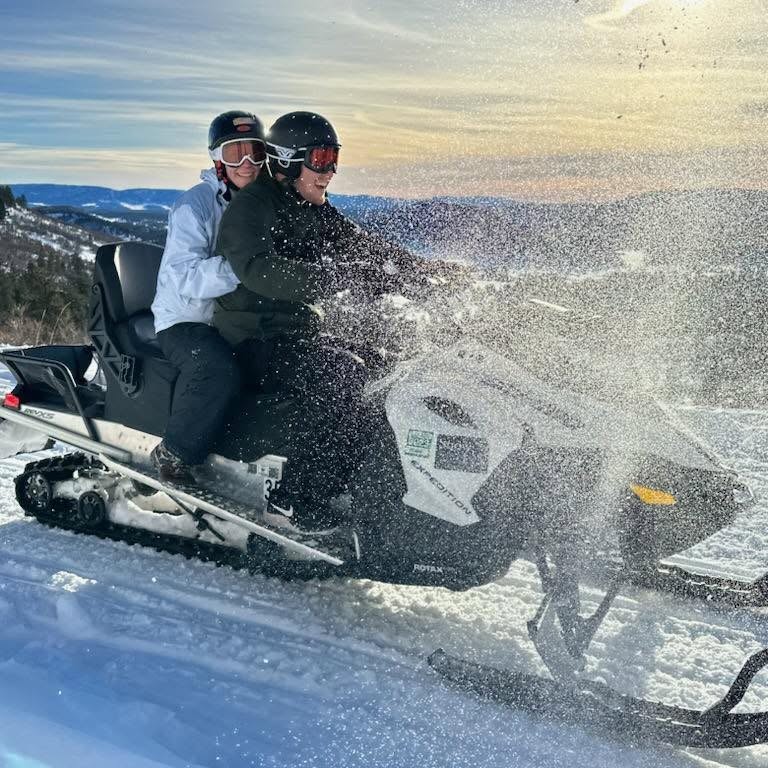
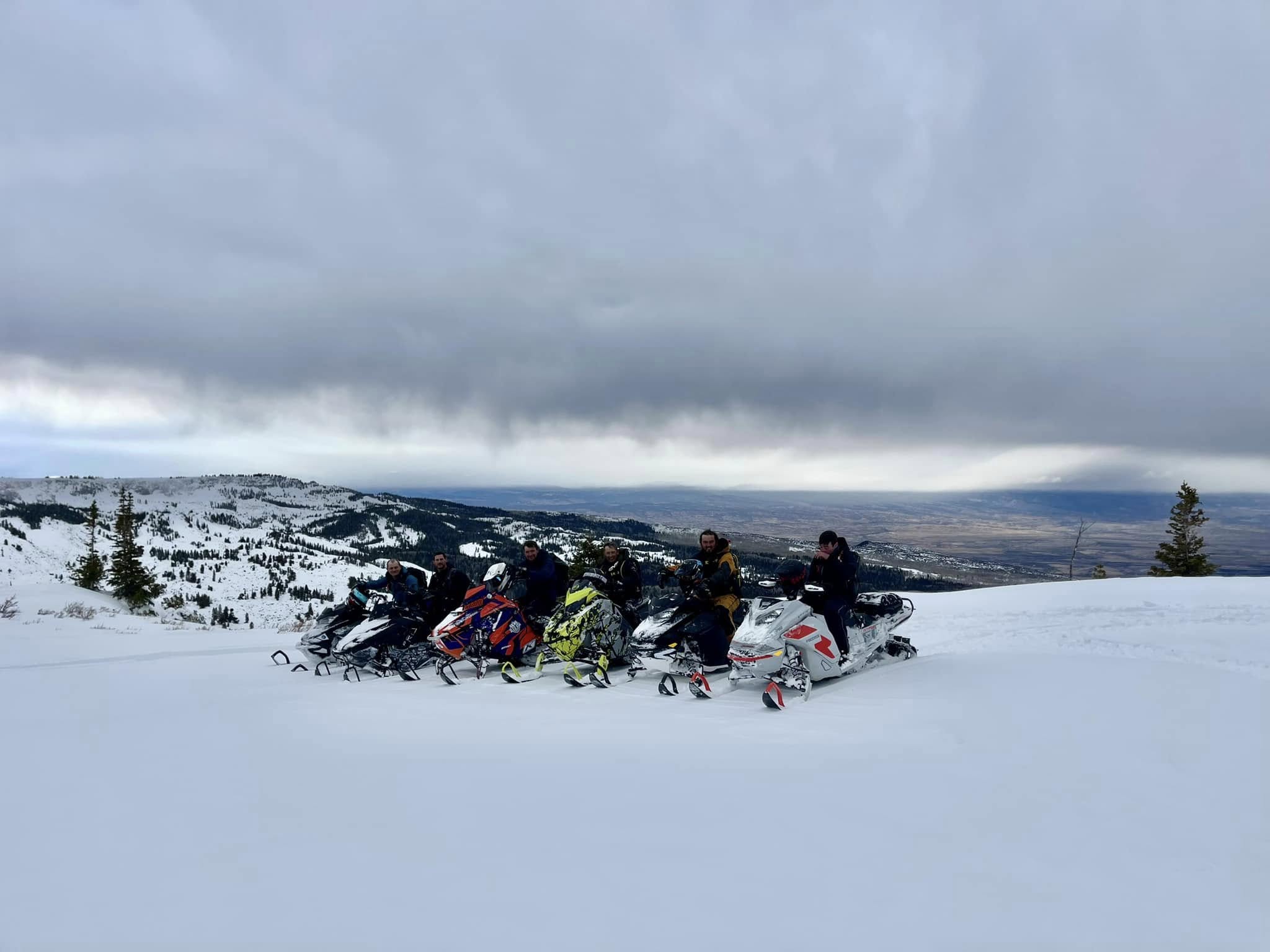
Pagosa Springs sits within a spectacular mountain environment surrounded by forests, valleys, rivers and high-country terrain. The wider San Juan region provides a natural setting for hunting, horseback activities, snowmobiling and other outdoor pursuits.
Third Generation Outfitters has historically operated hunting camps and outdoor activities in the region, including areas associated with the San Juan National Forest. U.S. Forest Service documentation specifically records the company's long-running hunting camps and its relationship with the Wolf Creek area.
For hunters, this type of terrain creates a very different experience from agricultural waterfowl country.
Mountain hunting depends heavily on:
· terrain knowledge
· animal movement
· weather
· elevation
· wind direction
· scouting
· access
· patience
· field experience
The guide therefore becomes much more than a person who simply leads a hunter to a location.
The guide becomes a connection between the hunter and the landscape.
Although Third Generation Outfitters is not primarily positioned as a waterfowl outfitter, the broader hunting industry has evolved around many of the same principles.
One of the most recognizable examples is Decoy Culture.
For generations, hunters have used visual representations of wildlife to create realistic hunting scenarios. In waterfowl hunting, this tradition developed into the modern Duck Decoy, Goose Decoy and sophisticated Waterfowl Decoy Spread.
A modern decoy is no longer simply a floating imitation of a bird.
It is part of a hunting system.
Hunters consider:
· bird species
· wind
· water movement
· field location
· landing zones
· blind position
· visibility
· spacing
· flock behavior
This is why terms such as Realistic Duck Decoys, Realistic Goose Decoys, Full Body Goose Decoys and Professional Waterfowl Decoy Spread have become important in the modern hunting market.
The philosophy is similar to mountain outfitting: understanding animal behavior and the environment comes first.
Equipment supports that knowledge.
For a professional outfitter, equipment is important—but experience is even more important.
A successful hunt begins long before the hunter enters the field.
It starts with preparation.
For a mountain outfitter, that preparation may involve studying terrain, understanding seasonal animal movement, monitoring weather and selecting access routes.
For a waterfowl outfitter, the process may involve scouting agricultural fields, rivers, reservoirs and wetlands before building a Duck Decoy Spread.
Both approaches depend on the same fundamental principle:
Know the environment. Understand the animal. Prepare carefully.
This philosophy has helped define professional outfitting across North America.
Modern hunting equipment has changed dramatically.
Traditional wooden decoys once required substantial craftsmanship and were often heavy and difficult to transport. Today, modern manufacturing technologies allow hunters to use highly realistic, lightweight and durable decoys.
EVA Duck Decoys, for example, can offer a combination of lightweight construction, resilience and realistic appearance.
Plastic Duck Decoys remain popular because of their durability and affordability.
For goose hunters, Full Body Goose Decoys and realistic Canada Goose decoys can help create visually convincing field spreads.
The development of these products reflects a broader trend in hunting:
traditional hunting knowledge combined with modern manufacturing technology.
Wildlife is extremely sensitive to unnatural movement and appearance.
This is particularly important in waterfowl hunting.
Mallards, Canada Geese, Snow Geese, Pintails, Wigeons, Gadwalls and other migratory birds respond to their surroundings in different ways.
Consequently, hunters increasingly demand:
Realistic Waterfowl Decoys
rather than generic bird-shaped equipment.
Modern decoy manufacturing focuses on:
· accurate body proportions
· realistic posture
· species-specific coloration
· detailed carving
· natural paint patterns
· durable surfaces
· lightweight construction
· easy transportation
The objective is simple:
make the decoy look like part of the natural environment.
Third Generation Outfitters represents an important part of American outfitting culture—the family guide who understands the land through years of experience.
Modern decoy manufacturers serve another part of the same hunting ecosystem.
They transform wildlife knowledge into physical products.
When a hunter chooses a Mallard Duck Decoy, Canada Goose Decoy or Full Body Goose Decoy, the product represents much more than plastic, EVA or paint.
It represents an understanding of how hunters interact with wildlife.
That is the essence of modern Decoy Culture.
The future of hunting will likely combine three major elements:
heritage + technology + authentic outdoor experiences.
Family-owned outfitters preserve regional hunting traditions.
Professional guides provide knowledge of terrain and wildlife.
Modern manufacturers provide increasingly realistic and practical equipment.
Together, these elements create the modern North American hunting experience.
For hunters visiting Colorado, Pagosa Springs and the San Juan region offer an environment where mountains, wildlife and outdoor traditions remain closely connected.
And for the broader hunting industry, companies such as Third Generation Outfitters demonstrate why outfitting remains a family-driven profession in many parts of North America.
From mountain camps to waterfowl marshes, from traditional hunting methods to modern EVA Duck Decoys, the story is ultimately the same:
respect the land, understand the wildlife and preserve the hunting tradition for the next generation.


