
Views: 0 Author: Site Editor Publish Time: 2026-10-10 Origin: Site


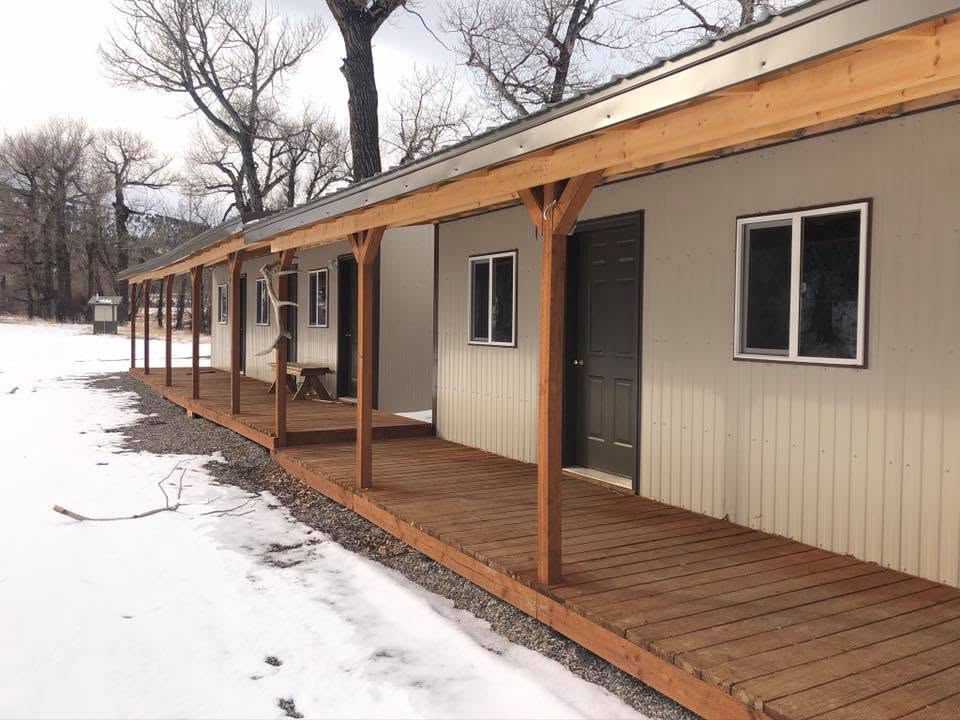
In the heart of Central Montana, where the Rocky Mountain Front meets the expansive prairie landscapes of the American West, outdoor traditions remain deeply connected with the land, wildlife and changing seasons. Central Montana Outfitters, based in Great Falls, Montana, represents this authentic Western outfitting tradition through guided hunting and fishing experiences in Montana’s Central Region.
Registered with the Montana Outfitters & Guides Association (MOGA), Central Montana Outfitters operates under Montana outfitter license #9237 and is led by outfitter Dale Yonkin. Its location in Great Falls places the operation within the diverse landscape of Central Montana, a region known for its combination of prairie, river systems, agricultural country and mountain environments.
Central Montana is particularly attractive to hunters because of the remarkable variety of habitats found within relatively accessible distances. The region around Great Falls connects the Missouri River system, agricultural landscapes and the northern Rocky Mountain environment. The broader Central Montana outfitting community provides opportunities for hunting species such as elk, antelope, mule deer and other Montana game, as well as fishing on major waterways including the Missouri River and nearby river systems.
For hunters, however, the appeal of Montana is not simply the opportunity to harvest game. It is the complete outdoor experience: reading the landscape, understanding animal behavior, identifying feeding and travel patterns, adapting to weather conditions and making decisions based on terrain.
This philosophy also connects naturally with the long history of decoy culture in North American hunting.
A decoy is much more than a simple hunting accessory.
For generations, hunters have used carefully positioned decoys to imitate wildlife and create a more convincing hunting environment. In waterfowl hunting, this tradition has evolved from individually carved wooden birds into highly realistic modern duck decoys and goose decoys produced from advanced materials.
Today, realistic decoys can incorporate detailed body shapes, accurate coloration, lifelike posture and specialized finishes designed to reproduce the appearance of wild birds under changing light conditions.
The underlying principle remains the same: observation, realism and understanding wildlife behavior.
This is one of the reasons decoy culture continues to be an important part of North American hunting heritage.
Although Central Montana Outfitters' current public listing emphasizes game hunting and fishing rather than a dedicated waterfowl program, its broader Montana hunting environment exists within a state where rivers, wetlands, agricultural fields and migratory bird habitats contribute to a rich outdoor ecosystem. For hunters who appreciate the broader culture of North American hunting, the relationship between habitat, wildlife behavior, scouting and decoy placement remains especially interesting.
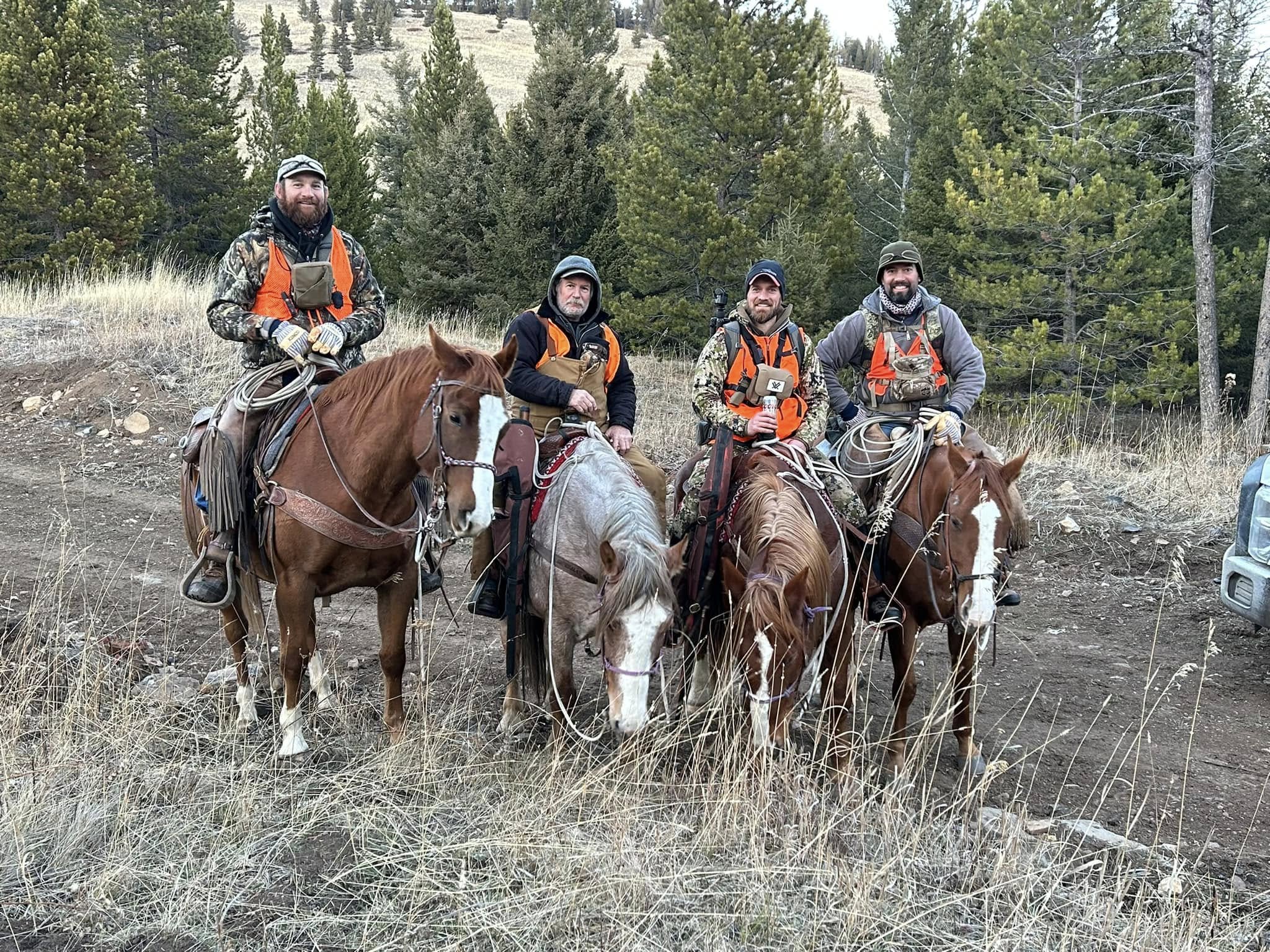
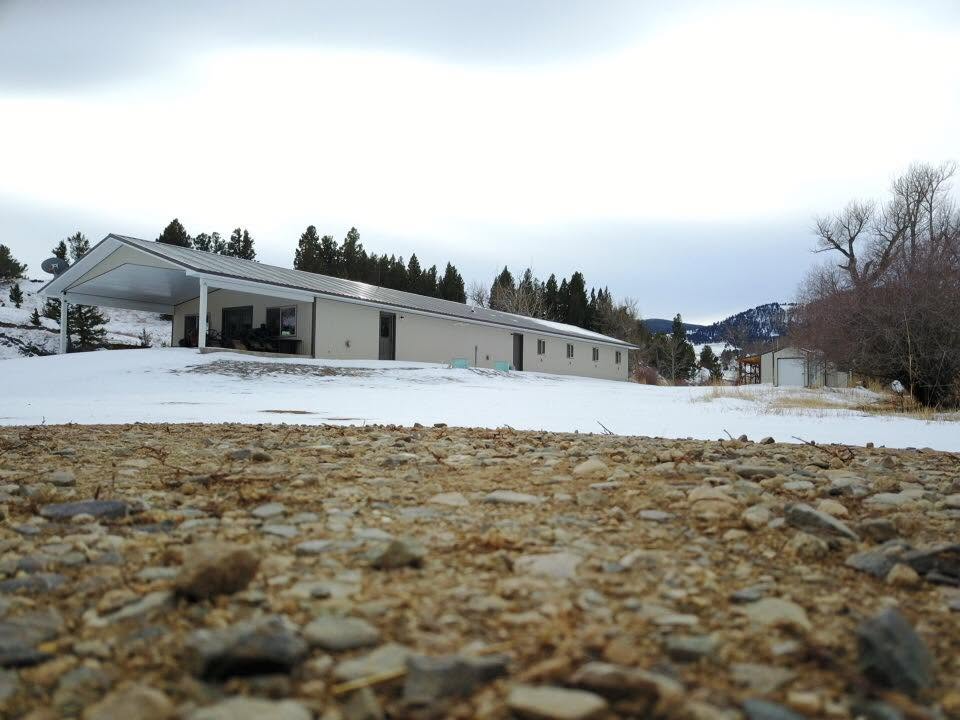
Central Montana offers a distinctive combination of open prairie and rugged western terrain.
For an outfitter, understanding this environment requires more than simply knowing where animals are located. Wind direction, temperature, precipitation, seasonal movement, agricultural activity, water availability and human pressure can all influence wildlife behavior.
That same principle is fundamental to successful waterfowl hunting.
Experienced waterfowl hunters understand that finding birds is only the beginning. Hunters must identify feeding areas, roosting locations and flight corridors, then determine how weather and hunting pressure may change bird movement.
A well-designed duck decoy spread or goose decoy spread therefore becomes part of a larger strategy.
The decoys must look natural.
Their spacing must make sense.
Their orientation must correspond with wind and expected bird movement.
And the blind must be positioned so that hunters remain concealed while maintaining a practical shooting zone.
This is where modern realistic waterfowl decoys have become increasingly sophisticated.
Traditional American decoy culture was closely associated with wooden carving.
Today, the industry has expanded dramatically.
Modern plastic duck decoys, EVA duck decoys, full-body goose decoys and lightweight hunting decoys allow hunters to transport larger spreads while reducing the physical burden associated with traditional heavy materials.
For the modern waterfowl hunter, portability has become increasingly important.
A hunter may need to transport dozens or even hundreds of decoys to agricultural fields, river edges, wetlands or remote hunting locations. Lightweight materials can therefore make a major difference.
EVA, for example, can provide a useful combination of lightweight construction, resilience and durability. Plastic blow-molded decoys can offer consistent shape, repeatable production quality and detailed surface finishing.
These developments demonstrate how decoy manufacturing technology continues to evolve while preserving the fundamental traditions of North American hunting.
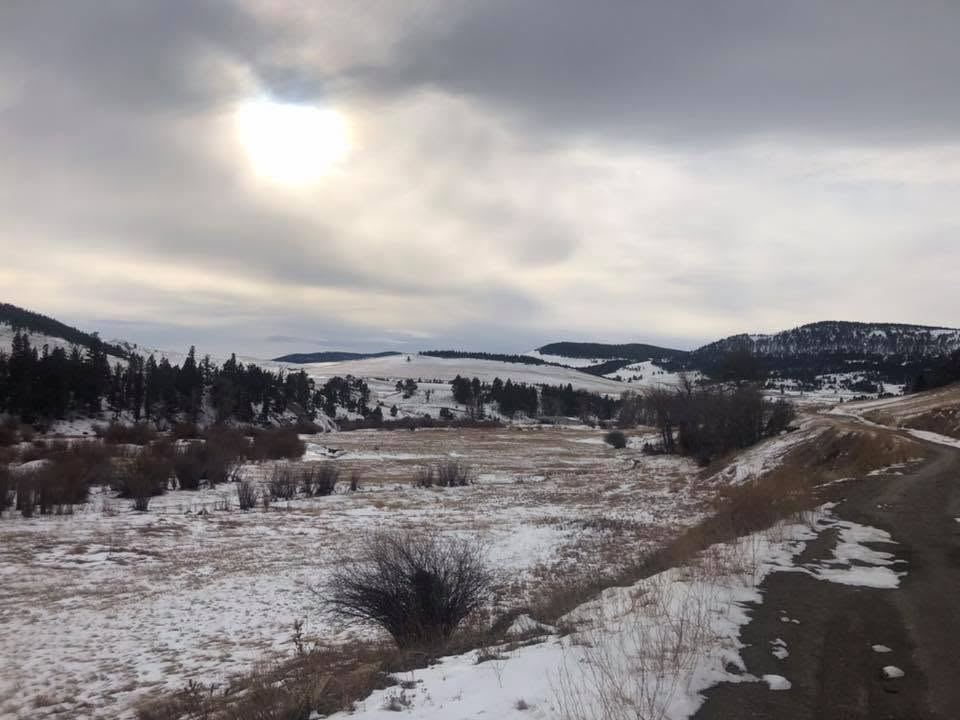
A successful decoy spread is ultimately based on credibility.
Hunters increasingly look for realistic duck decoys that reproduce natural body posture and species characteristics. Mallard decoys, pintail decoys, gadwall decoys, teal decoys and goose decoys are designed around the visual characteristics of real birds.
Similarly, goose hunters may choose between full-body goose decoys, silhouettes, floaters and other configurations depending on habitat and hunting strategy.
The objective is not simply to place as many decoys as possible.
Instead, the goal is to create a convincing visual scene.
That concept is deeply connected with the philosophy of professional outfitting: success comes from understanding the environment rather than relying on equipment alone.
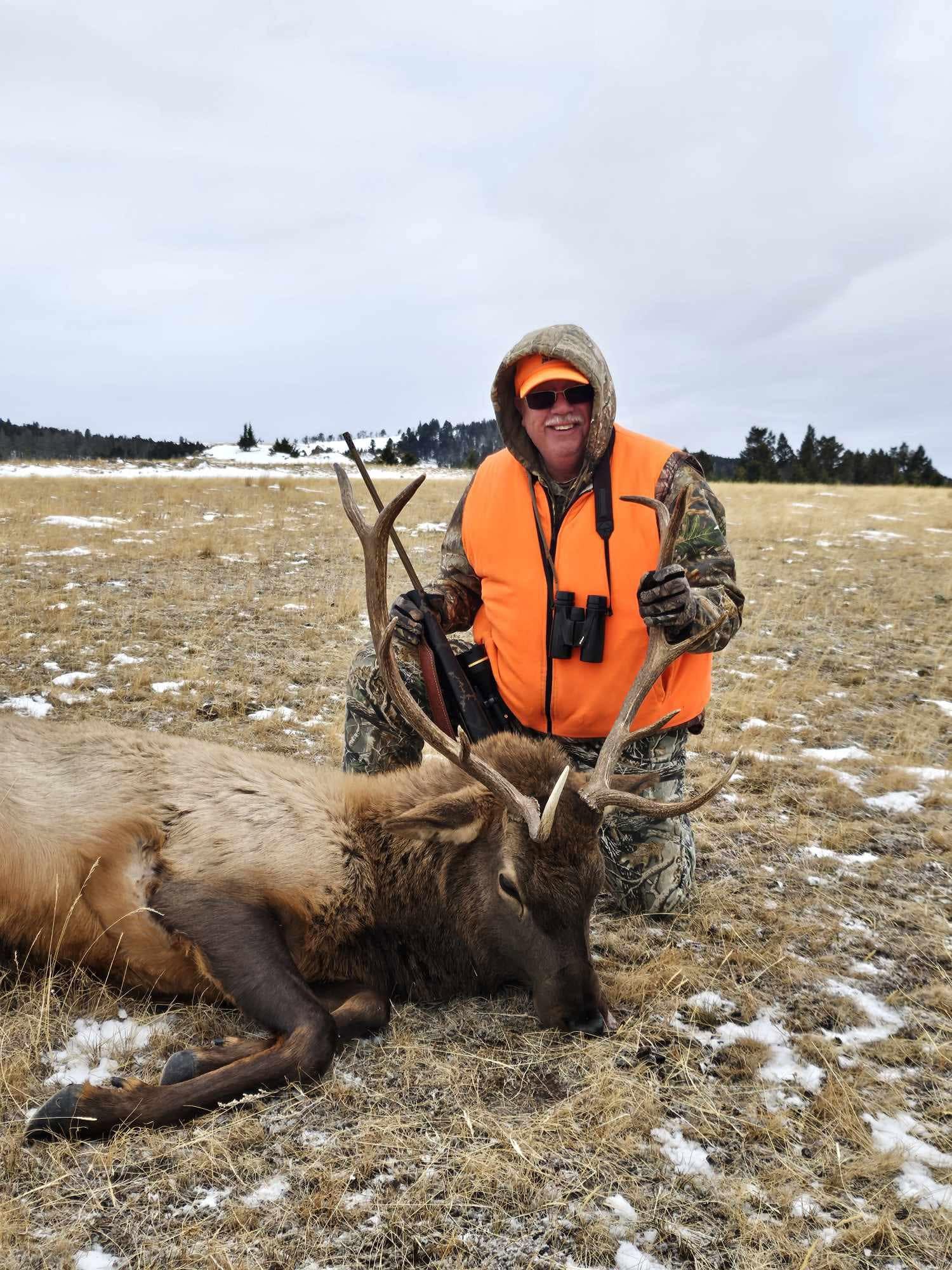
Central Montana's outdoor identity extends far beyond a single hunting season.
The region combines western hunting traditions, fishing culture, agricultural landscapes and mountain scenery. Organizations such as the Montana Outfitters & Guides Association continue to connect hunters with licensed outfitters throughout the state, while Central Montana itself remains home to numerous licensed hunting and fishing professionals.
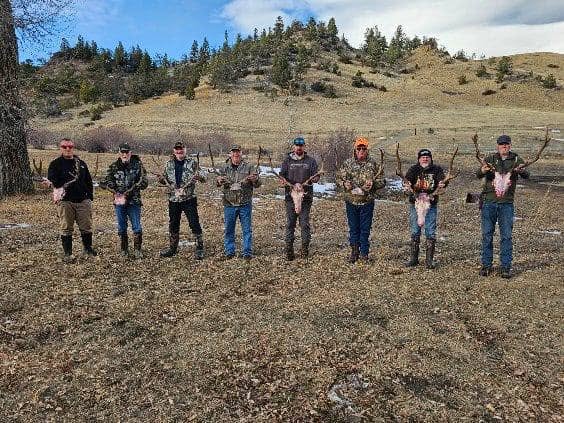
Central Montana Outfitters therefore represents an important part of this broader outdoor tradition.
Its Great Falls location, Montana outfitter license and connection with Central Region 4 provide hunters with access to a professionally guided Montana outdoor experience.
For the international hunting industry, Montana also illustrates why the culture of decoys, guided hunting, wildlife observation and outdoor equipment continues to develop together.
From traditional carved decoys to modern EVA and blow-molded products, the evolution of hunting equipment reflects a simple principle: better equipment should help hunters interact with the natural environment without replacing the knowledge and experience required to understand it.
That is the enduring spirit behind modern decoy culture—and an important part of the wider North American hunting tradition.


