
Views: 0 Author: Site Editor Publish Time: 2026-09-19 Origin: Site



Across North America, few destinations are as closely associated with prairie waterfowl hunting as Saskatchewan. Vast agricultural fields, prairie potholes, wetlands, grain-producing farmland and the annual migration of millions of ducks and geese have created an environment that has become synonymous with the North America
waterfowl tradition.
At the center of this experience is Saskatoon Waterfowl Outfitters, a Saskatchewan-based outfitter offering guided duck and goose hunting in the heart of the Central Flyway.
The outfitter's official website describes Saskatoon as being in the heart of the Central Flyway, with millions of waterfowl moving across the Saskatchewan prairies during migration. Its hunting opportunities include more than ten species of ducks, several subspecies of Canada geese, Snow Geese, White-fronted Geese—or Specklebellies—and Sandhill Cranes. The company also highlights the possibility of seeing very large concentrations of geese and large groups of ducks during a hunt.
This combination of migration, agriculture, professional guiding and carefully prepared duck decoy spreads makes Saskatoon Waterfowl Outfitters an ideal representation of modern Saskatchewan waterfowl culture.
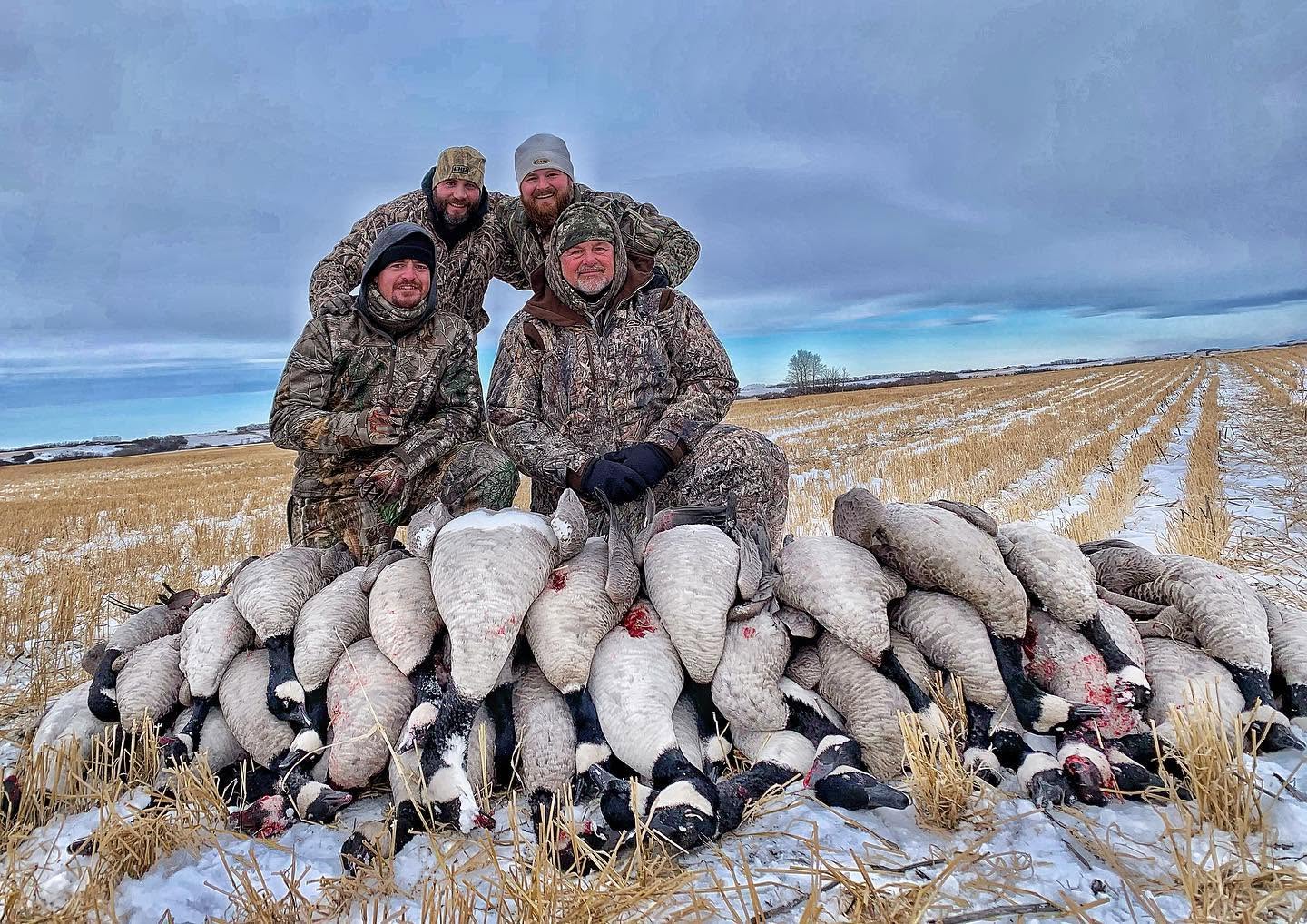
Saskatchewan occupies a unique position in North American waterfowl migration.
Every fall, ducks and geese move south from their northern breeding grounds, using prairie wetlands, potholes, grain fields and waterways as important staging and feeding areas.
For waterfowl hunters, this creates an extraordinary environment.
A single Saskatchewan hunt can involve Mallards, Pintails, Wigeon, Gadwall, Teal, Canada Geese, Snow Geese and White-fronted Geese. Saskatoon Waterfowl Outfitters specifically promotes a diverse mix of ducks and geese and describes the region as a major migration corridor.
This is why search terms such as Saskatchewan Duck Hunting, Saskatchewan Waterfowl Hunting, Saskatoon Duck Hunting, Saskatchewan Goose Hunting, Central Flyway Duck Hunting and Guided Waterfowl Hunts Saskatchewan attract strong interest from hunters in the United States, Canada and other parts of the world.
For international hunters, Saskatchewan is not simply another hunting destination. It represents the opportunity to experience prairie waterfowl hunting in an environment where migration is visible on a massive scale.
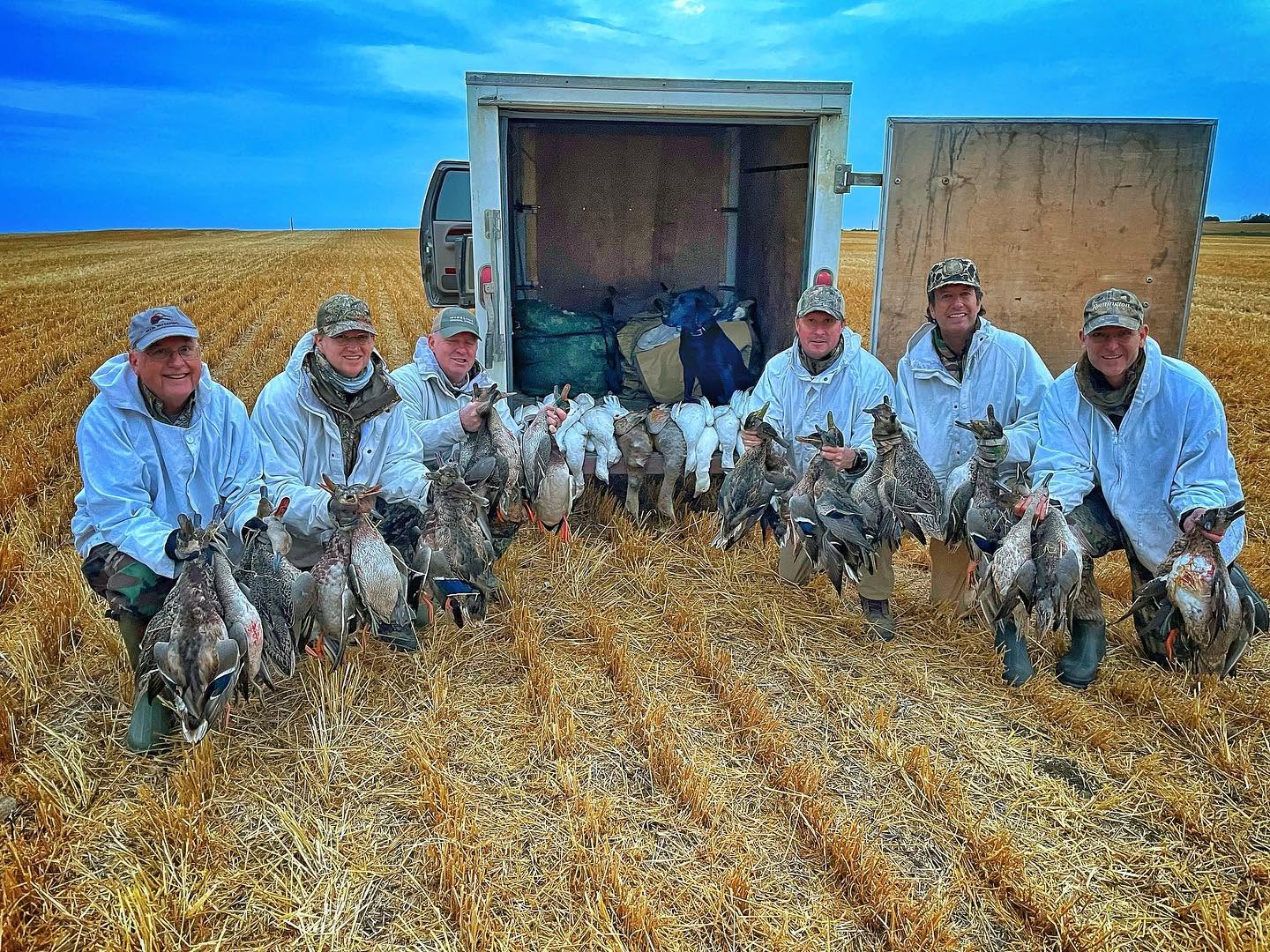
The character of Saskatchewan waterfowl hunting is strongly connected to agricultural landscapes.
Fields can provide feeding opportunities for ducks and geese, while wetlands, potholes and water bodies provide resting and staging habitat.
This creates a hunting system in which scouting becomes extremely important.
Professional guides need to understand where birds are feeding, where they are roosting, how weather affects migration and which fields are receiving the greatest amount of bird activity.
Saskatoon Waterfowl Outfitters emphasizes this guide-and-scouting approach. Its published testimonials describe guides and spotters locating active bird areas and adjusting hunting plans according to bird movement. The company also states that it provides decoys, blinds, dogs, ammunition and vehicles as part of its hunting experience.
The result is a hunting experience built around more than simply arriving at a field.
It is about being in the right place at the right time.
One of the most recognizable elements of North American duck hunting is the Decoy.
A duck decoy is an artificial representation of a wild bird, but its cultural significance goes far beyond that simple definition.
Traditional decoys were often carved and painted by hand. The maker had to understand the anatomy, posture and coloration of real waterfowl.
Over time, decoy making developed into both a practical hunting craft and a form of wildlife art.
Modern manufacturing has transformed the industry, but the basic principle remains unchanged.
A successful Waterfowl Decoy should look convincing from a distance.
Today, hunters can choose from:
· Realistic Duck Decoys
· Mallard Duck Decoys
· Pintail Duck Decoys
· Wigeon Duck Decoys
· Gadwall Duck Decoys
· Teal Duck Decoys
· Canada Goose Decoys
· Snow Goose Decoys
· Full Body Goose Decoys
· Plastic Duck Decoys
· EVA Duck Decoys
These products allow modern hunters to combine traditional decoy culture with lightweight, durable and practical equipment.
In Saskatchewan's wide-open agricultural landscape, the Decoy Spread becomes a critical part of the hunting strategy.
A field can be enormous, and approaching birds may see a spread from a considerable distance.
The spread therefore needs to appear natural.
Mallard decoys can be arranged to imitate feeding or resting ducks. Canada Goose decoys can be positioned to create a realistic social group. Snow Goose spreads may require larger numbers and different formations depending on migration timing and field conditions.
The exact configuration depends on:
Wind direction + bird behavior + field layout + species + blind position + scouting information.
This is why a professional guide does not simply place decoys randomly.
The spread is designed to create a natural-looking landing zone.
The objective is not always to use the maximum number of decoys.
The objective is to create the most convincing situation for the birds being hunted.
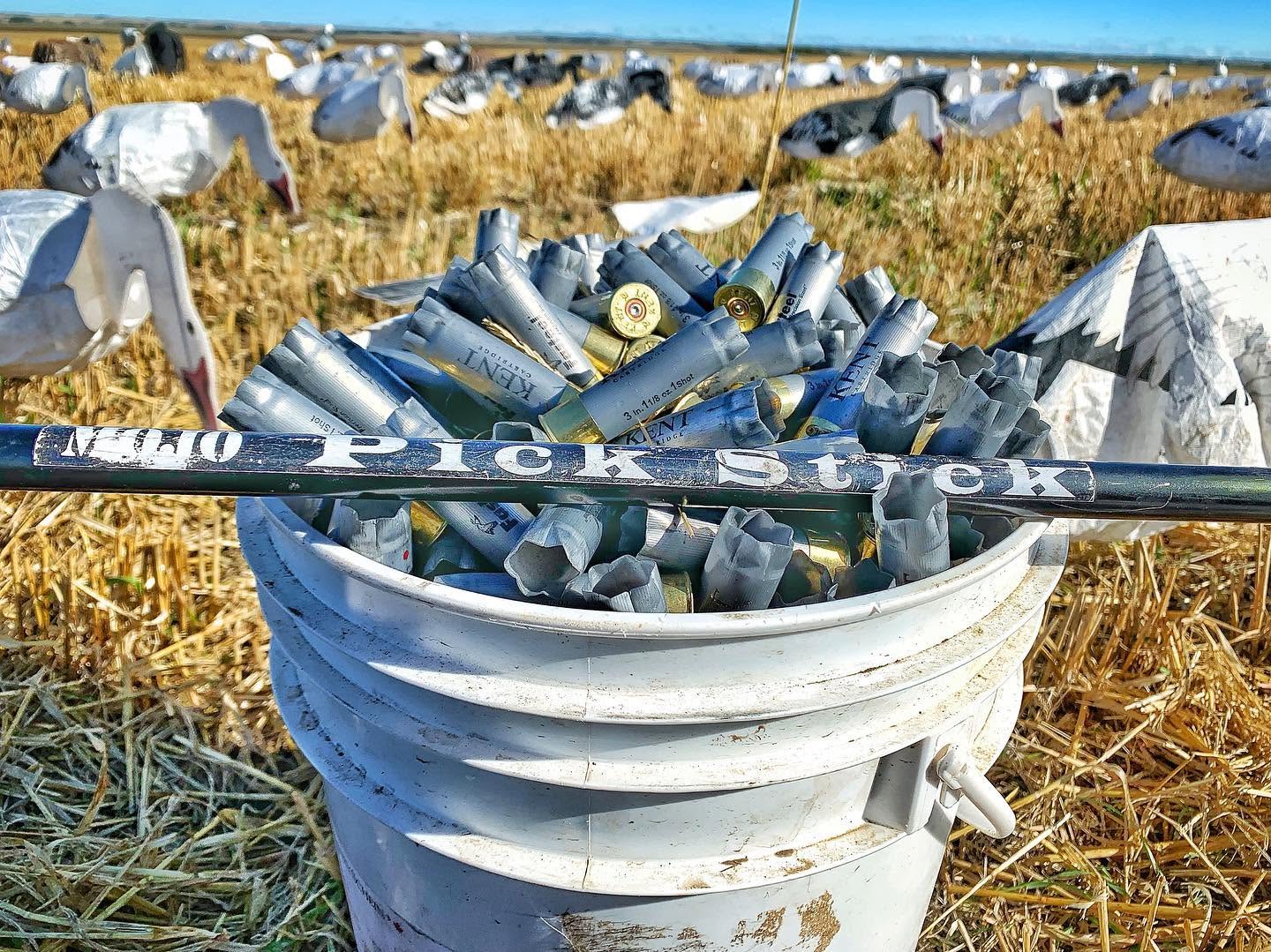
The evolution of decoy manufacturing has been particularly important for professional outfitters.
Traditional wooden decoys remain highly respected, but modern hunters often need equipment that can be transported quickly, withstand repeated use and survive cold prairie weather.
This has increased interest in lightweight duck decoys, durable waterfowl decoys, plastic duck decoys and EVA duck decoys.
EVA, for example, offers a combination of low weight, flexibility and resilience that can be attractive for hunters who need to carry large numbers of decoys into fields or wetlands.
Blow-molded plastic decoys offer another practical manufacturing solution. Consistent body profiles can be combined with detailed painting and species-specific sculpting to create realistic duck and goose models.
For an outfitter operating multiple hunts throughout a season, these characteristics can make a significant difference.
Decoys need to look good—but they also need to survive transportation, repeated setup and changing weather.
That is where modern decoy manufacturing technology complements traditional waterfowl hunting knowledge.
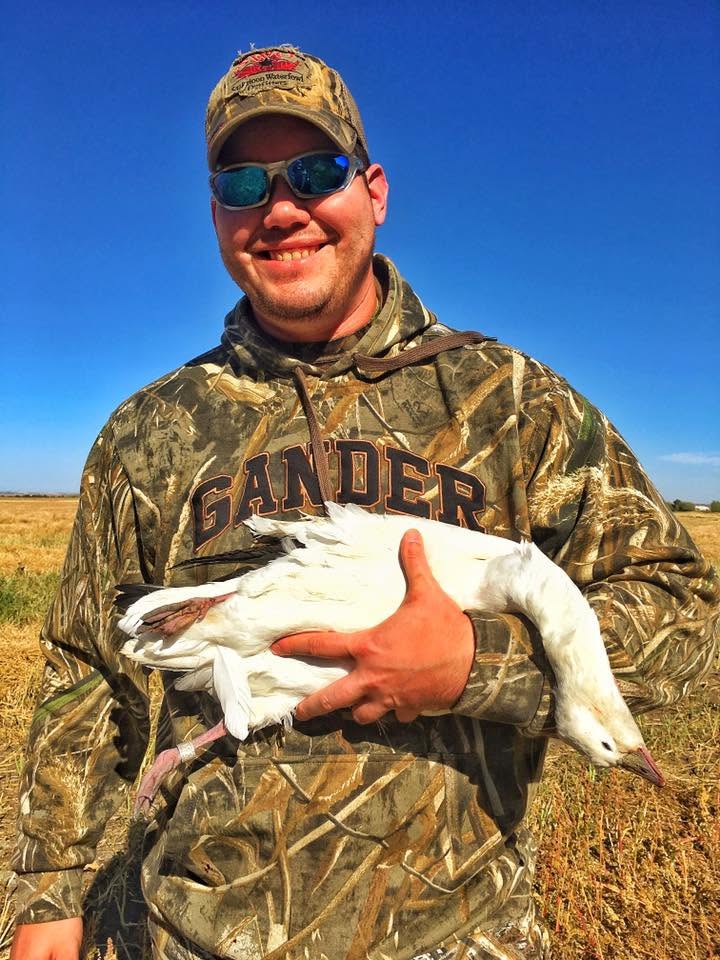
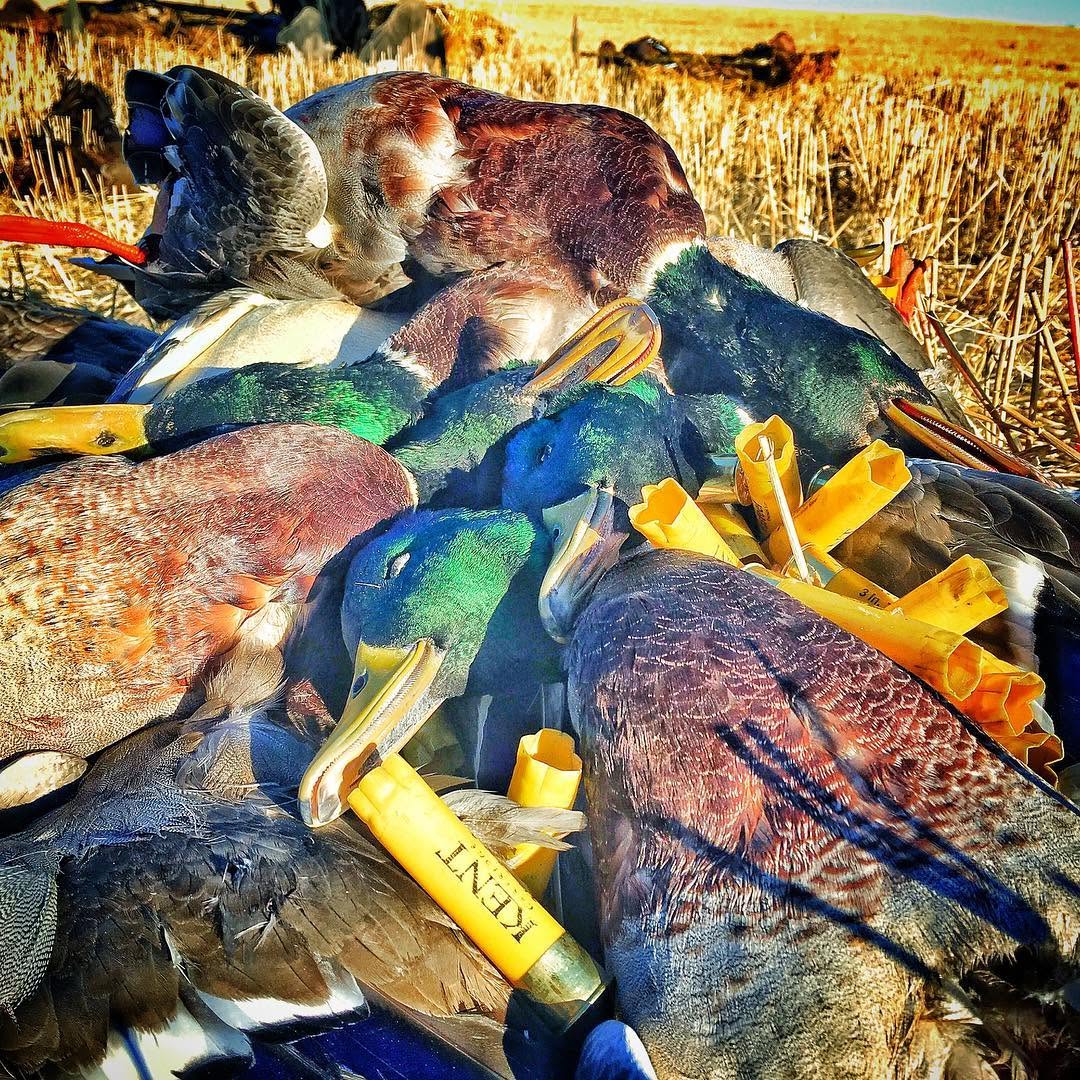
Among all North American ducks, the Mallard remains one of the most iconic.
The green-headed drake, distinctive body shape and recognizable behavior have made the Mallard a central species in duck hunting culture.
Consequently, Mallard Duck Decoys are among the most recognizable products in the waterfowl equipment industry.
A well-designed Mallard spread can create the appearance of a relaxed feeding or resting flock.
For hunters searching for Saskatchewan Mallard Hunting, the combination of prairie fields, migration and professional scouting creates a compelling hunting environment.
Saskatoon Waterfowl Outfitters' published customer testimonials specifically mention successful hunts involving greenhead Mallards and Canada Geese, along with positive comments about its decoy spreads, blinds, dogs and scouting.
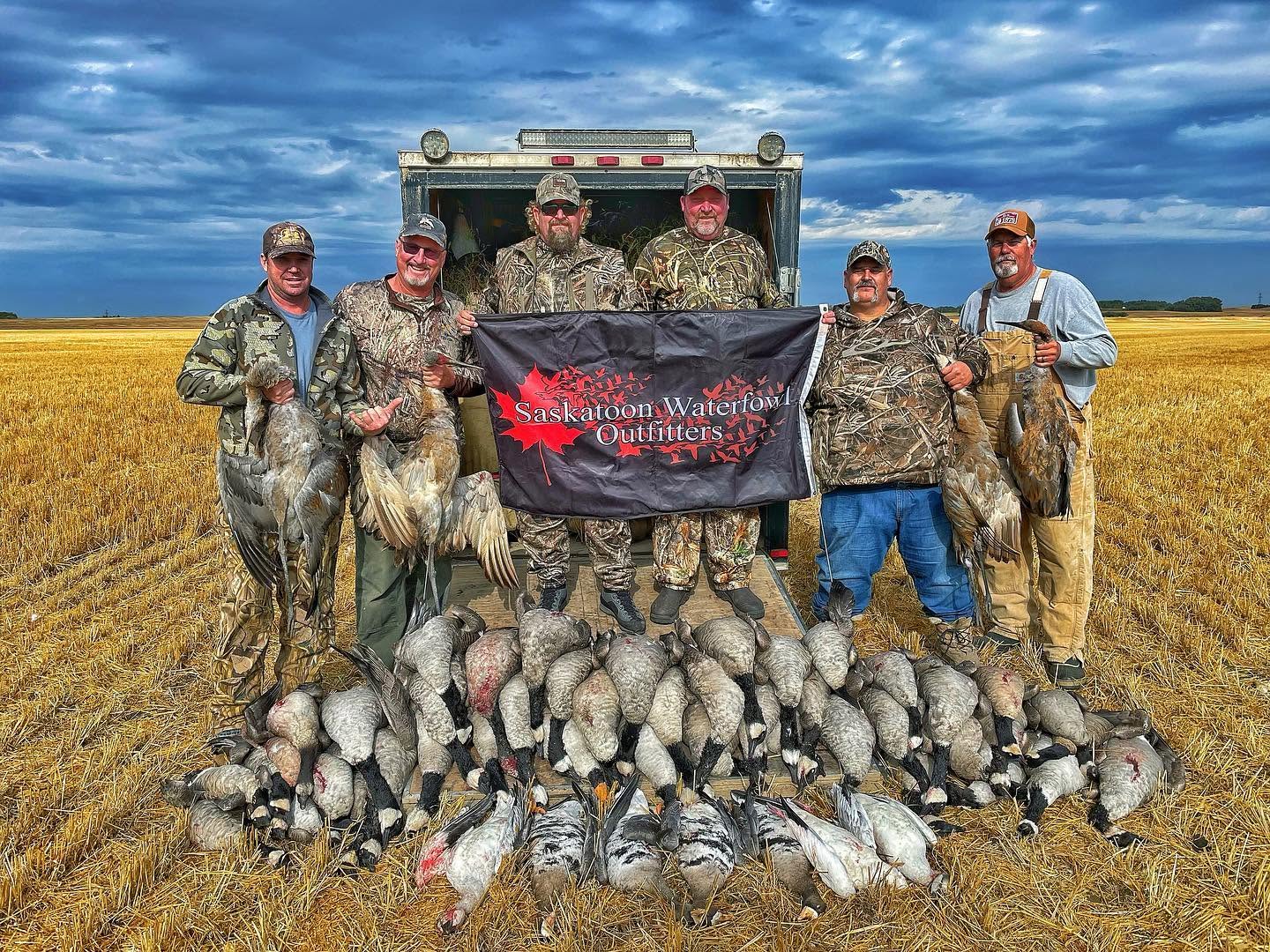
Saskatchewan's goose hunting culture is equally important.
Canada Geese can range from large Greater Canada Geese to smaller Cacklers, while Snow Geese and White-fronted Geese add further variety.
Saskatoon Waterfowl Outfitters specifically highlights multiple Canada Goose subspecies as well as Snow Geese and Specklebellies.
For field goose hunting, Canada Goose Decoys and Full Body Goose Decoys can create a strong visual presence.
Snow Goose hunting can require a different approach because flock sizes, migration timing and field conditions can vary considerably.
The resulting Decoy Culture is therefore not one-dimensional.
Different birds require different decoy designs, different spreads and different hunting strategies.
Saskatoon Waterfowl Outfitters offers several package structures, from individual hunting arrangements to all-inclusive packages.
Its official package information states that all-inclusive options can include lodging, meals, shells, bird processing, licenses and transportation between the airport and hunting fields. It also offers tailored packages and generally organizes hunts in smaller groups of four to six hunters.
This type of structure is particularly attractive to visiting hunters who may be unfamiliar with Saskatchewan.
Instead of arranging every component independently, hunters can focus on the actual experience.
The guide handles the field strategy.
The spotters monitor bird movement.
The blinds and decoys are prepared.
The dogs are ready for retrieval.
And the hunters can concentrate on calling, shooting and enjoying the migration.
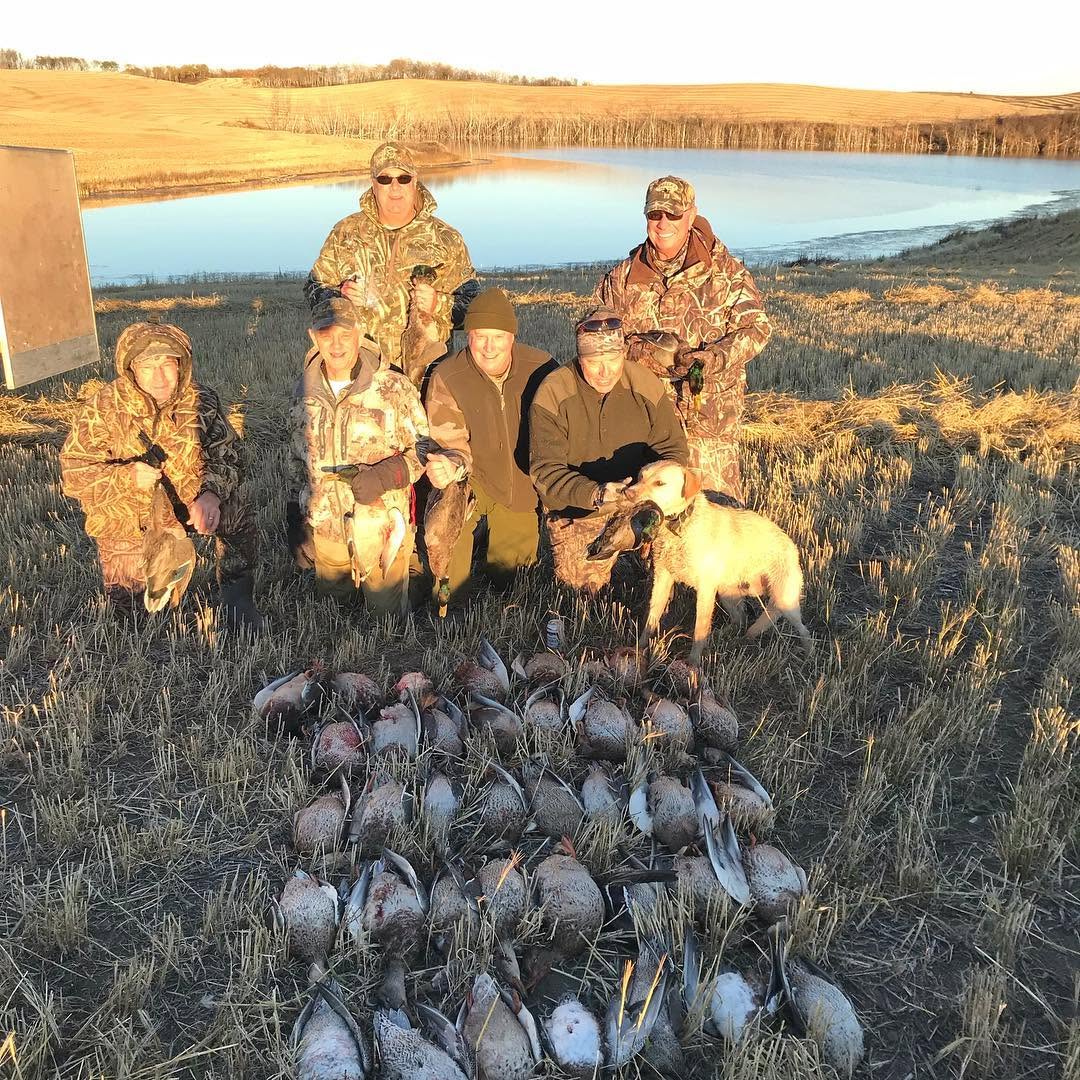
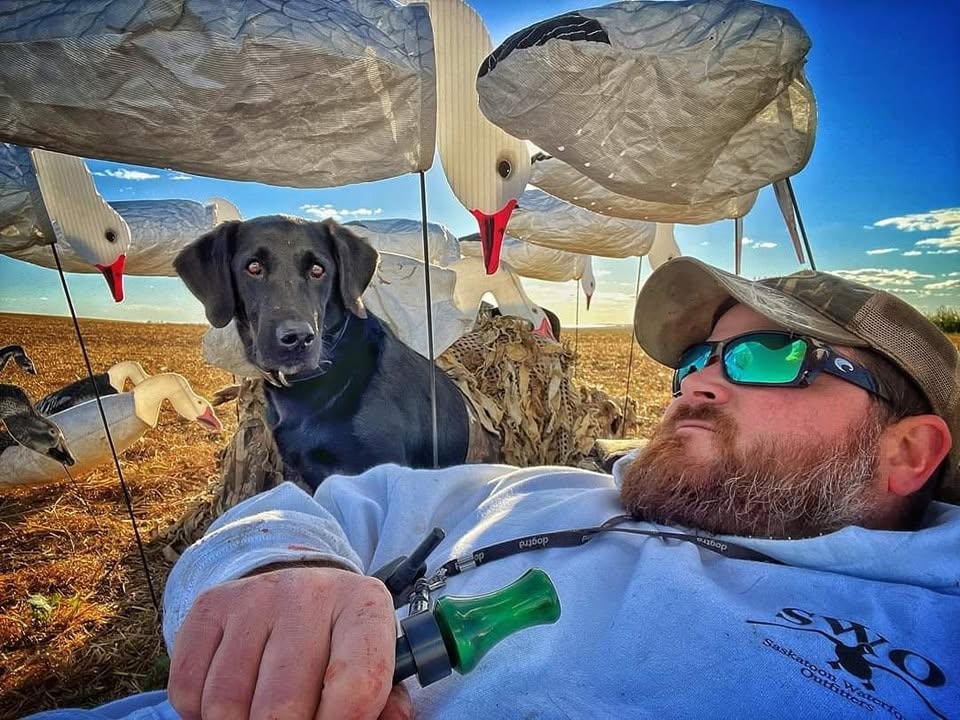
A Saskatchewan waterfowl hunt is not complete without the traditional combination of blind, decoys, calling and retriever.
A well-trained Labrador Retriever can be particularly valuable when birds fall into water, tall vegetation or difficult field terrain.
The blind provides concealment.
The decoys create the visual attraction.
The calls create sound.
The dog completes the retrieval.
The guide connects all of these elements.
This is the traditional rhythm of a North American waterfowl hunt.
Modern equipment may be lighter and more durable than the equipment used decades ago, but the fundamental experience remains remarkably similar.
The future of waterfowl hunting depends on healthy habitat and responsible management.
Saskatchewan's prairie wetlands and agricultural landscapes are part of a much larger migratory system. Protecting breeding habitat, staging areas and wintering grounds is essential to maintaining healthy populations of ducks and geese.
For hunters and outfitters, conservation is therefore not separate from hunting culture.
It is part of the culture.
The early morning drive, the field setup, the first flock appearing on the horizon, the sound of wings, the dogs retrieving birds and the conversations in the blind all form part of a tradition that connects people with the natural world.
Saskatoon Waterfowl Outfitters represents this tradition through guided Saskatchewan duck and goose hunting, professional scouting, field preparation, decoy spreads and personalized hunting packages.
At the same time, the development of modern decoys shows how the tradition continues to evolve.
From hand-carved wooden models to today's realistic plastic and EVA waterfowl decoys, the technology has changed—but the objective remains the same.
Create a believable scene.
Understand the birds.
Respect the land.
And experience the migration.
For hunters searching for Saskatoon Waterfowl Outfitters, Saskatchewan Duck Hunting, Central Flyway Waterfowl Hunting or Saskatchewan Goose Hunting, the attraction ultimately goes far beyond harvesting birds.
It is the opportunity to experience one of North America's great migrations from inside the blind—with prairie skies overhead, fields stretching toward the horizon, trained retrievers beside the hunters and a carefully designed Decoy Spread waiting for the next flock.
That is the enduring culture of Saskatchewan waterfowl hunting.


