Views: 0 Author: Site Editor Publish Time: 2026-09-29 Origin: Site


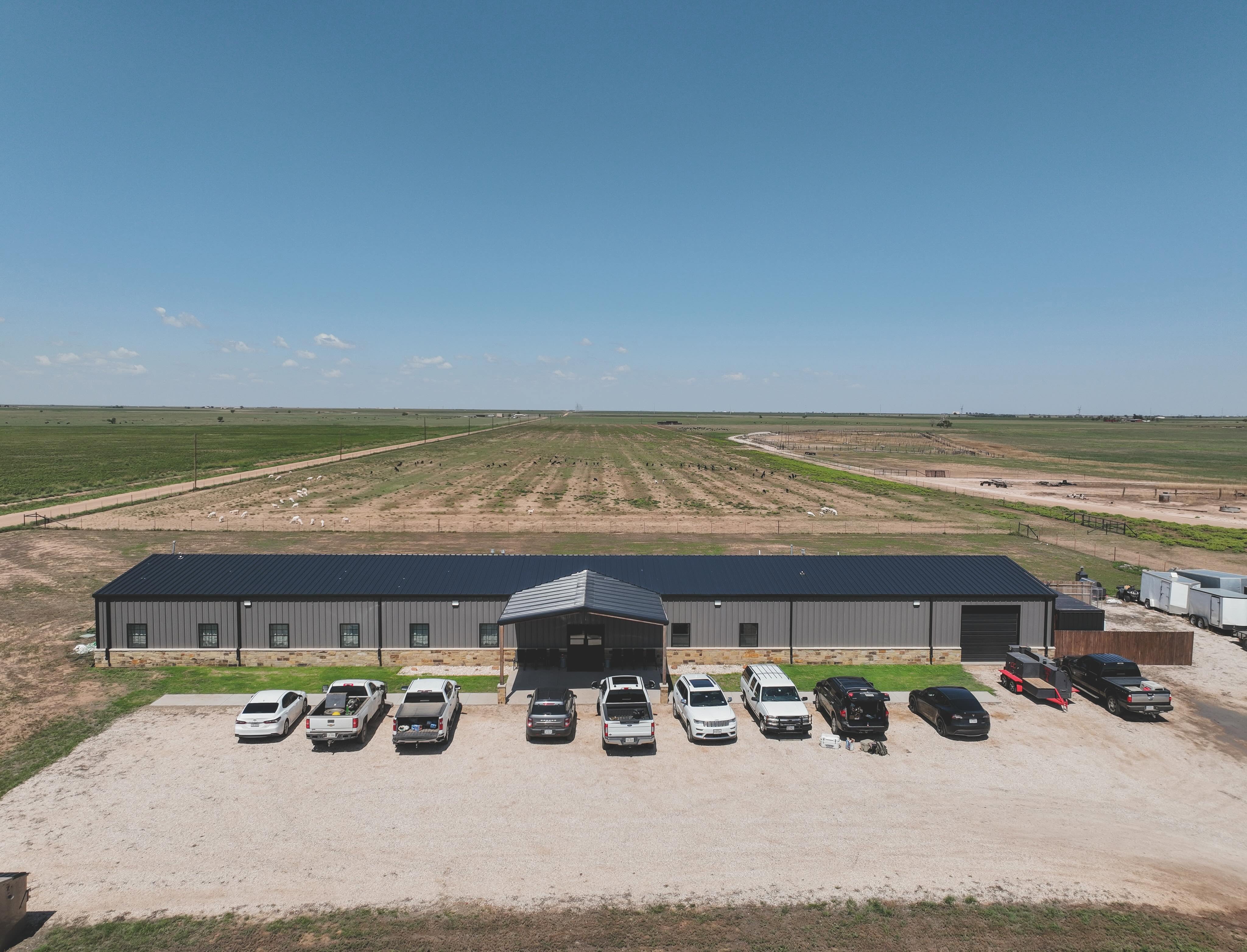
Fowl Plains Outfitters represents a modern approach to North American waterfowl hunting, combining migration-based scouting, agricultural landscapes, experienced guides, retriever dogs, carefully designed decoy spreads and lodge-based hospitality.
With operations and hunting opportunities associated with West Texas, Great Bend in Kansas, and Saskatchewan, Canada, Fowl Plains has developed a hunting model that follows the birds rather than relying on a single landscape. Its official website highlights West Texas waterfowl hunting in the Central Flyway, while its Canadian operation is positioned in the Saskatchewan prairie migration corridor.
The Central Flyway is one of the most important migration corridors for North American waterfowl. For Fowl Plains Outfitters, this migration system provides the foundation for a hunting experience built around ducks, geese and other migratory birds.
The company's West Texas operation is located near Lubbock and Abernathy. Fowl Plains describes the area as having significant wintering populations of Lesser Canada Geese and Sandhill Cranes, along with huntable duck numbers when water conditions are favorable.
This combination of agricultural fields, playa lakes, farm ponds and migration routes creates a very different hunting environment from traditional marsh hunting.
Waterfowl hunters may encounter Mallards, Teal and other puddle ducks around water, while large goose flocks can concentrate over waste-grain fields.
That is where scouting becomes essential.
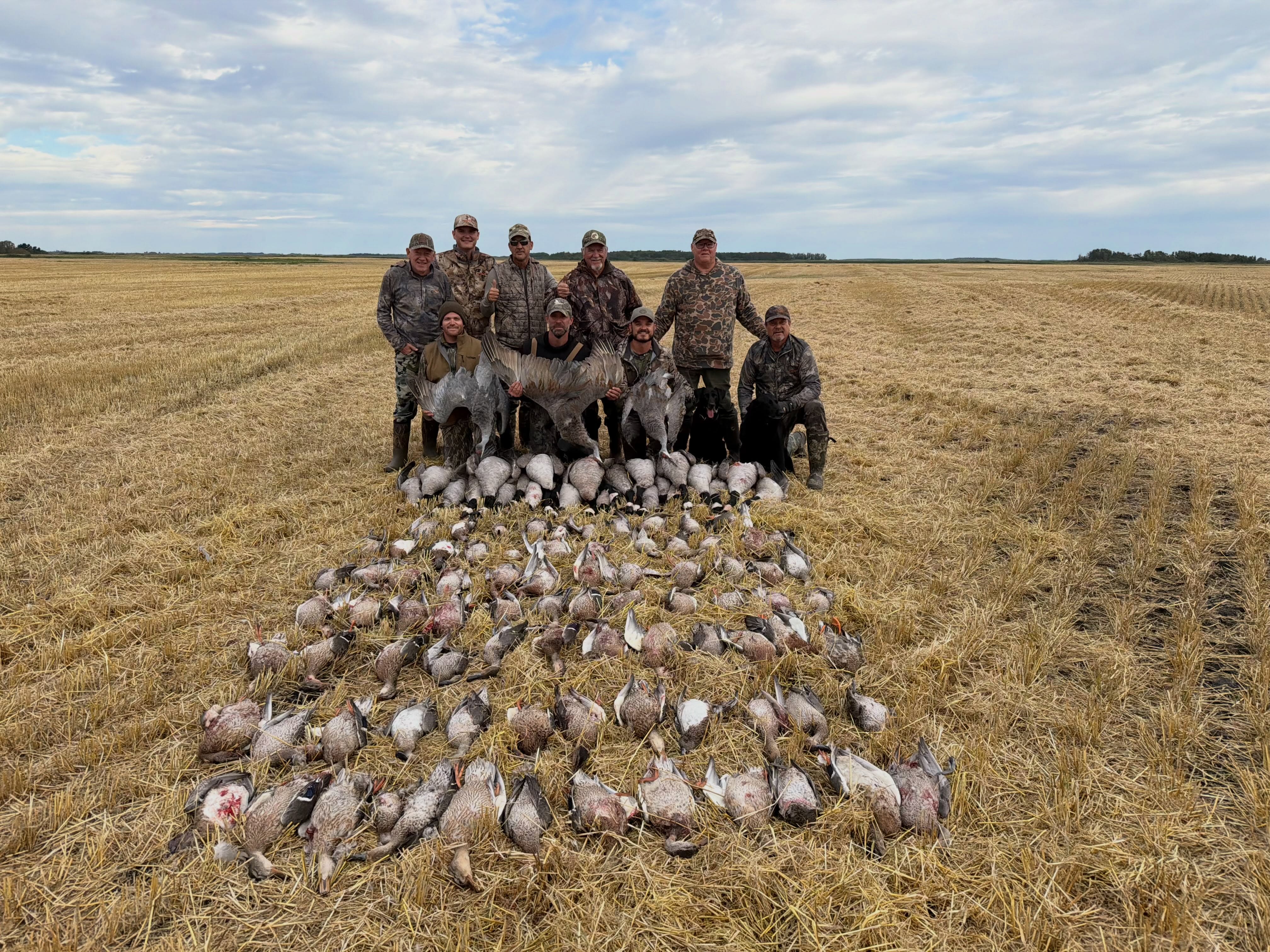
Successful waterfowl hunting is rarely determined by simply placing a large number of decoys in a field.
The modern Duck Decoy Spread is a visual system designed around bird behavior.
Hunters study:
· where birds feed;
· where they loaf;
· where they enter and leave fields;
· wind direction;
· landing zones;
· field layout;
· hunting pressure;
· and how birds respond to previous hunting activity.
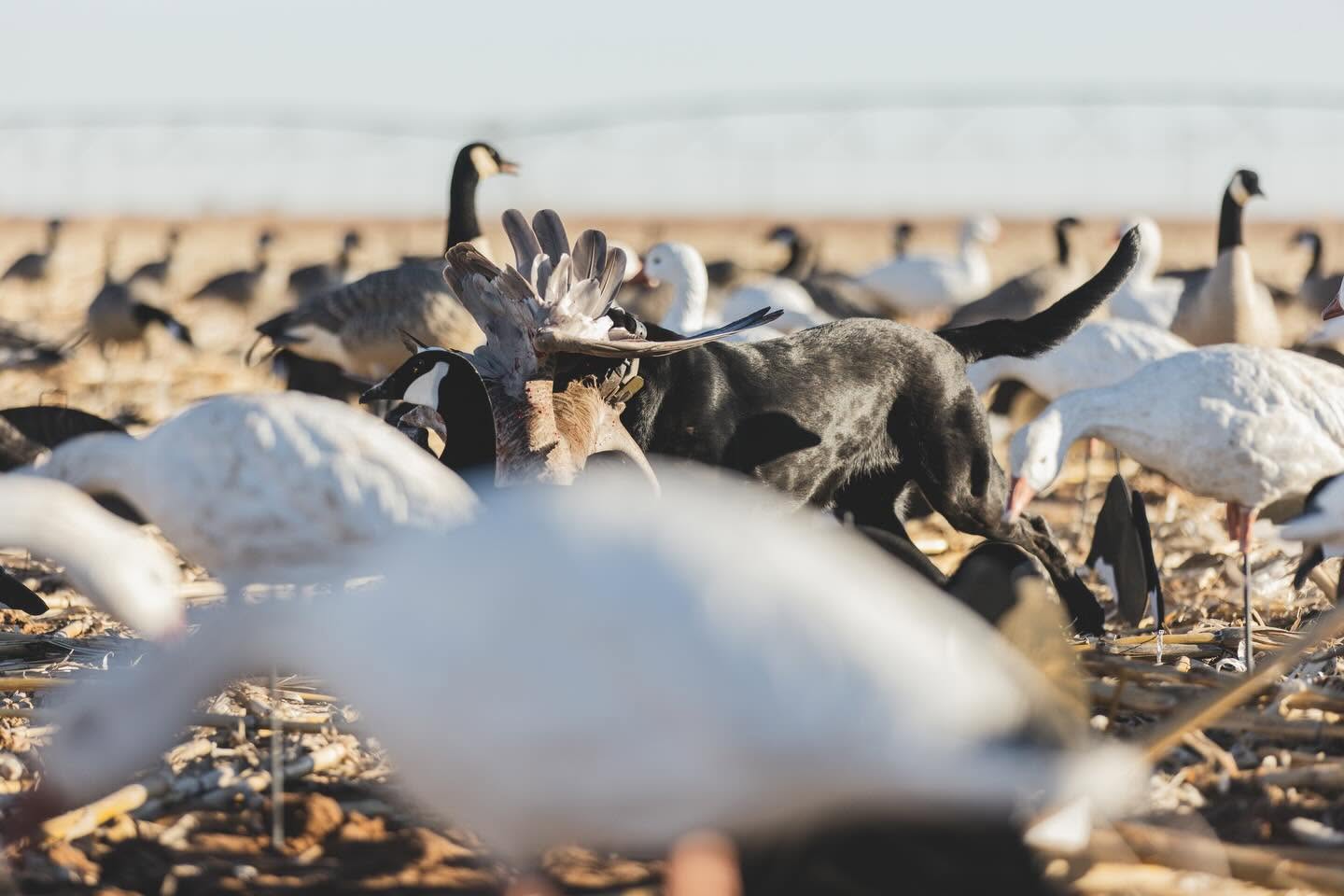
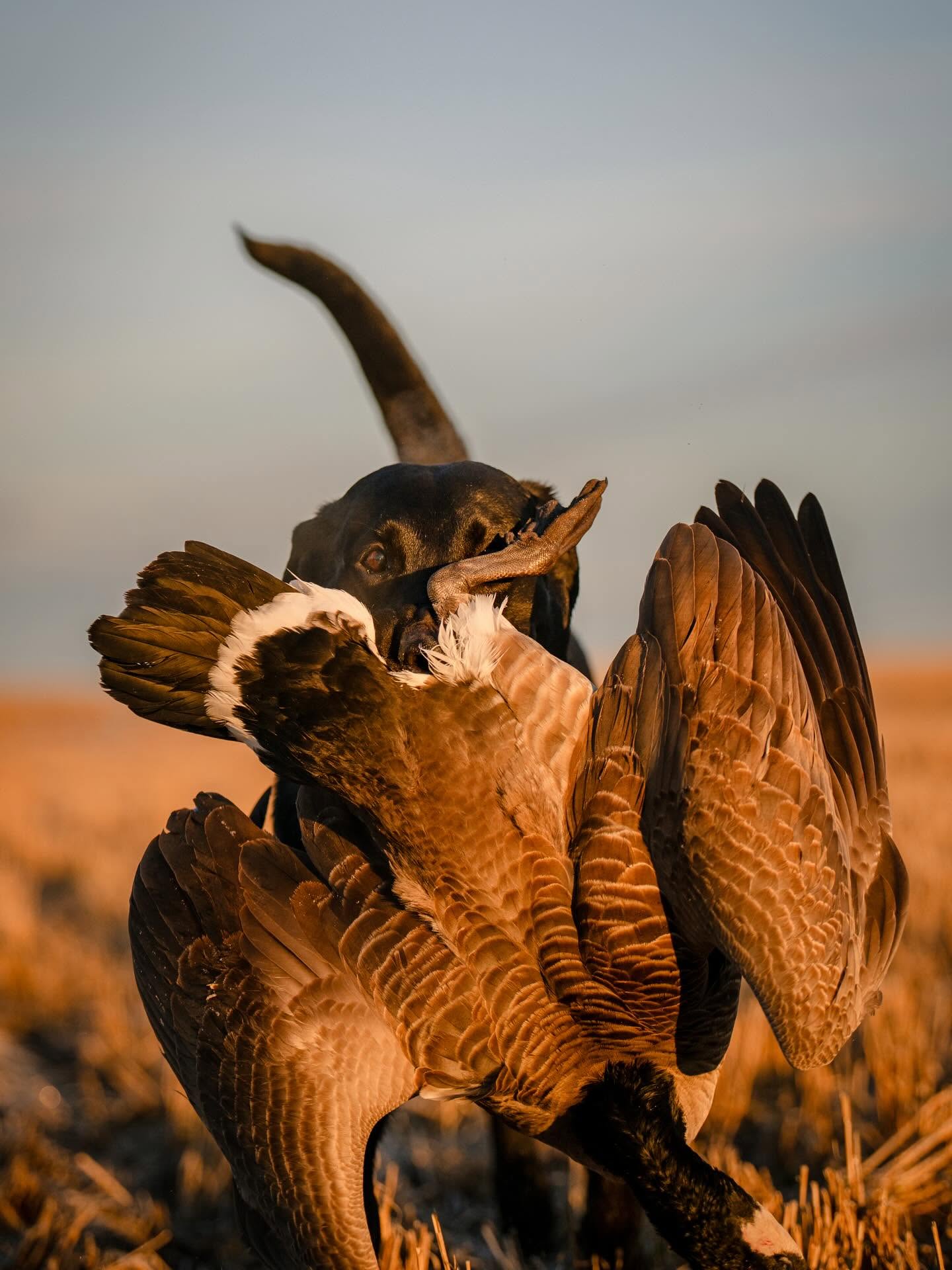
Fowl Plains' West Texas goose hunts are specifically described as taking place over large decoy spreads in dry waste-grain fields, combined with aggressive calling and retriever dogs.
For goose hunters, this makes Goose Decoys, Full Body Goose Decoys, realistic flock positioning and landing-zone design especially important.
A convincing spread does not simply imitate birds.
It creates a visual story.
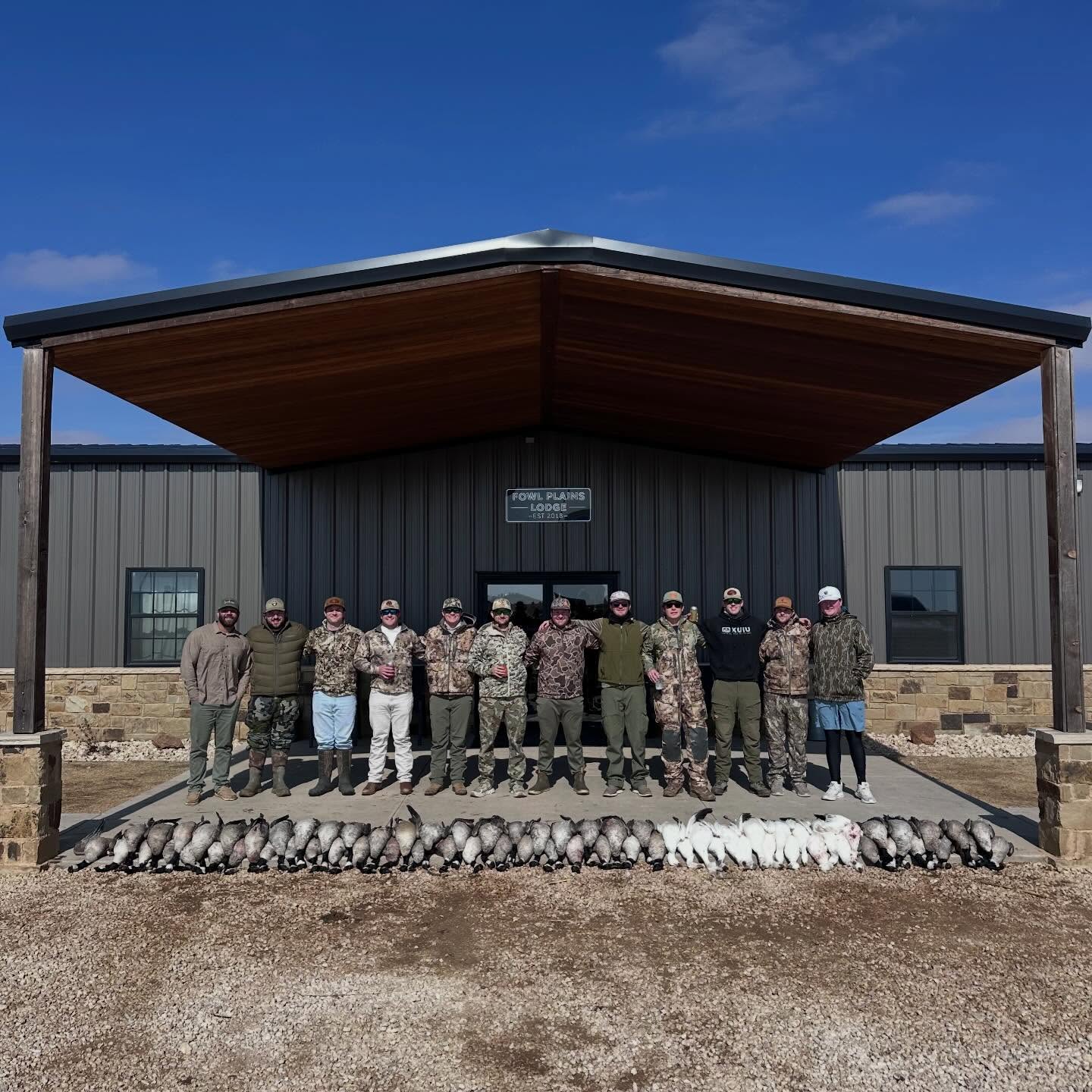
Goose hunting has become one of the most technically demanding forms of modern waterfowl hunting.
Large Canada Goose flocks can approach from considerable distances, circle a field several times and evaluate a spread before committing.
The difference between a realistic spread and an artificial-looking spread can therefore influence how birds react.
This is where Realistic Goose Decoys, Canada Goose Decoys, Snow Goose Decoys and properly positioned Full Body Goose Decoys become part of the hunting strategy.
The objective is not merely to fill a field with plastic birds.
The objective is to create a believable flock.
For manufacturers of modern hunting decoys, this represents an important connection between field experience and product design.
Body posture, paint detail, flocking, silhouette, size, weight, durability and movement all influence the appearance of a decoy spread.
West Texas also provides a distinctive environment for duck hunting.
Fowl Plains describes early Teal hunts around green playa lakes using A-frame-style blinds. Its website also features duck hunting around potholes and farm ponds across the West Texas plains.
These smaller water environments demonstrate why Realistic Duck Decoys remain important.
Mallards, Teal and other puddle ducks do not necessarily require enormous spreads.
Instead, the spread needs to match the water, wind, species behavior and shooting position.
A compact group of carefully positioned decoys can sometimes create a more natural visual pattern than an oversized and poorly organized spread.
This is one of the central principles of modern Waterfowl Decoy Culture.
Fowl Plains also offers Sandhill Crane hunting in West Texas.
The company's official booking information describes crane hunts over waste-grain fields using A-frame-style blinds and close decoying techniques.
Crane hunting introduces another dimension to decoy design.
Because Sandhill Cranes are large birds with distinctive silhouettes, hunters need decoys that create an appropriate visual profile from distance.
This illustrates an important principle shared across waterfowl hunting:
species-specific realism matters.
A Mallard decoy, Canada Goose decoy, Snow Goose decoy and Sandhill Crane decoy each need to communicate a different visual signal.
Fowl Plains also presents a Canadian hunting operation in Saskatchewan.
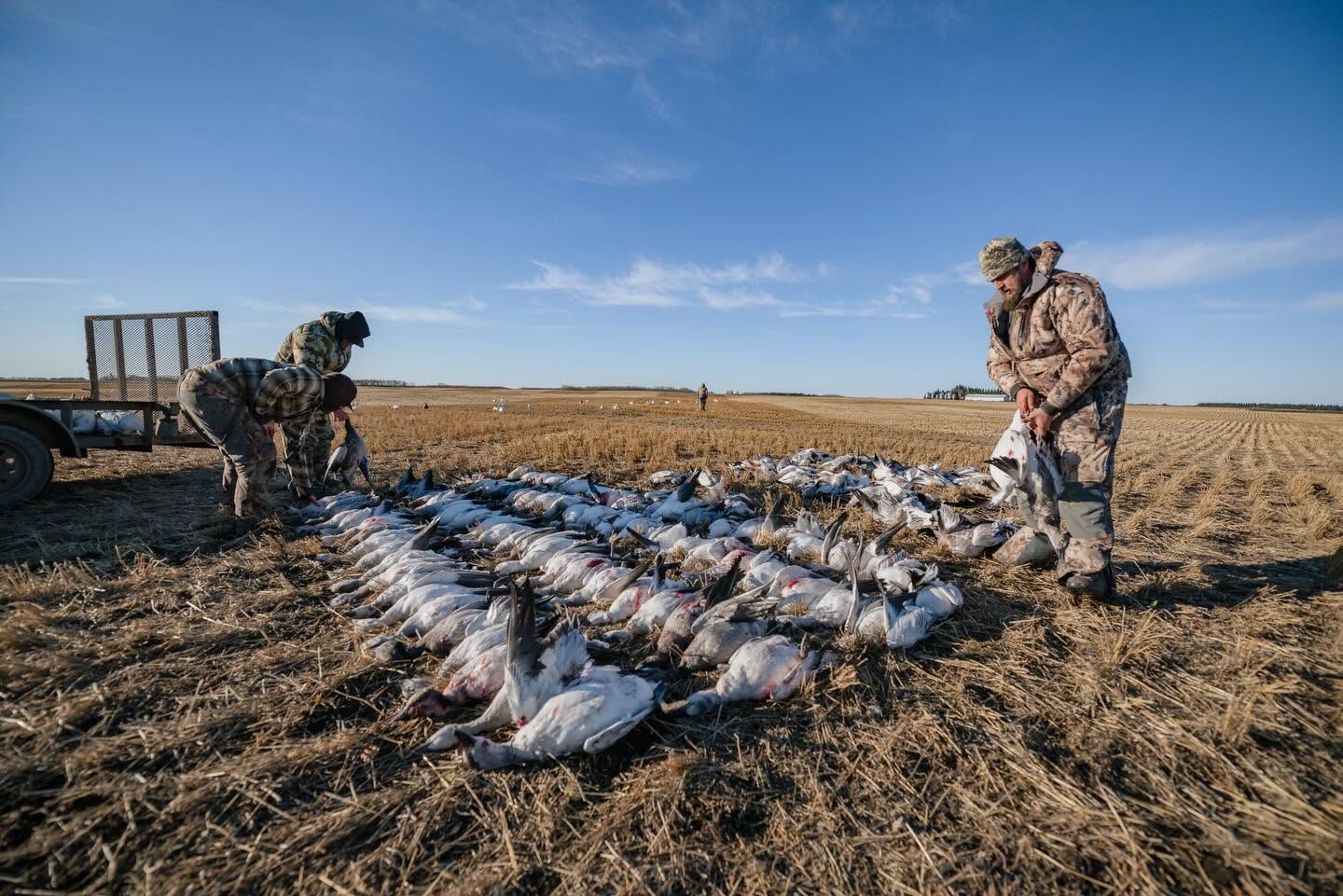
Its official website describes Saskatchewan as a major waterfowl region with Canada Geese, Snow Geese and multiple puddle-duck species moving through the migration corridor. The operation is located approximately 2.5 hours east of Saskatoon and features a lodge with six bedrooms and accommodation for up to 11 hunters.
This Canadian environment expands the Fowl Plains hunting story from the Central Flyway into the northern prairie migration system.
For waterfowl hunters, Saskatchewan represents a landscape where field hunting, goose hunting, duck hunting and large-scale decoy spreads naturally come together.
Fowl Plains has also become associated with Great Bend, Kansas.
MeatEater's 2026 programming featured Fowl Plains in Great Bend and described a waterfowl hunting experience focused on ducks and geese in the Central Flyway.
The Kansas operation demonstrates how Fowl Plains has developed beyond a single-location outfitting model.
Instead of defining the company purely by one lodge or one hunting property, the brand is increasingly associated with migration, waterfowl expertise and a multi-region hunting experience.
For generations, hunters have used artificial birds to influence the behavior of wild waterfowl.
The traditional decoy was often handmade from wood or other materials.
Modern Plastic Duck Decoys, EVA Duck Decoys, Full Body Goose Decoys and lightweight hunting decoys have transformed the practical side of this tradition.
Today's hunters expect decoys to combine:
· realistic anatomy;
· natural paint patterns;
· lightweight transportation;
· impact resistance;
· long-term durability;
· weather resistance;
· easy storage;
· and practical field deployment.
EVA decoys can provide a particularly attractive combination of low weight, flexibility and resilience, while blow-molded plastic decoys remain popular for their structural durability and scalable production.
For professional hunting outfitters such as Fowl Plains, equipment must perform repeatedly under real hunting conditions.
That makes field-tested decoy design especially relevant.
Fowl Plains' hunting environment illustrates why decoy manufacturers need to understand actual hunting behavior.
A decoy is not simply a decorative replica of a duck or goose.
It is part of a hunting system.
The final setup depends on:
bird species → habitat → wind → field or water → hunter position → calling → decoy spread → landing zone.
This creates an opportunity for the next generation of decoy manufacturers to develop products around actual hunting scenarios.
For example:
Mallard Duck Decoys for pothole and farm-pond hunting.
Teal Decoys for early-season shallow-water hunting.
Canada Goose Decoys for agricultural grain fields.
Snow Goose Decoys for large migrating flocks.
Full Body Goose Decoys for field hunting where three-dimensional silhouettes are important.
EVA Waterfowl Decoys for hunters who prioritize lightweight transportation.
Plastic Waterfowl Decoys for hunters seeking durable, economical field equipment.
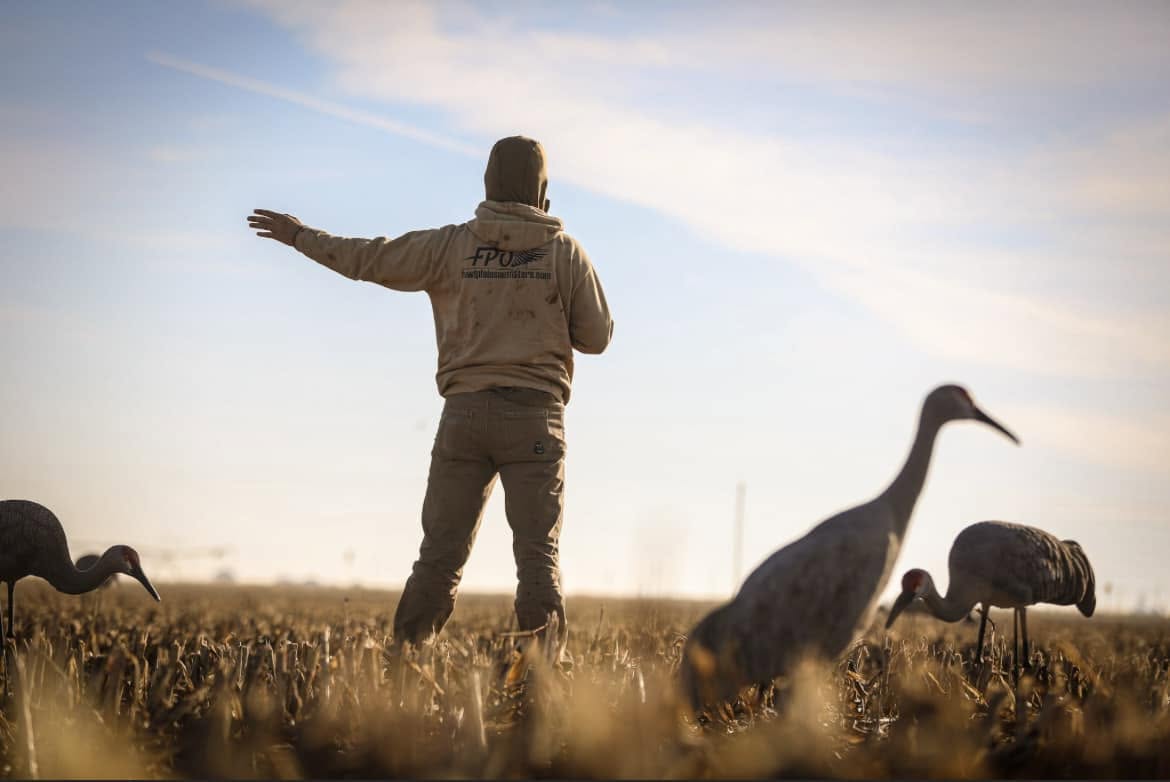
Fowl Plains Outfitters has built its identity around more than simply putting hunters in a blind.
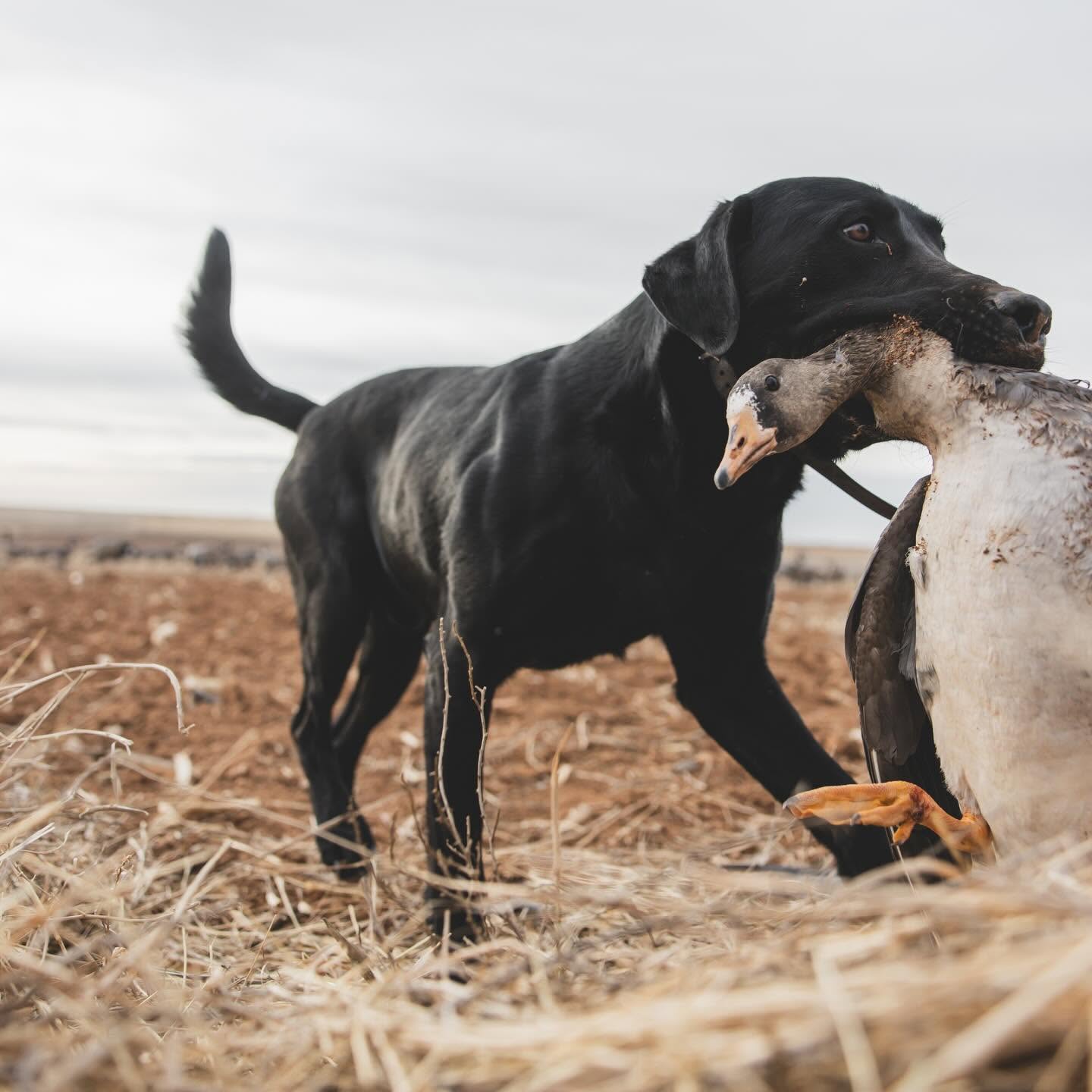
Its official materials emphasize guides with extensive hunting backgrounds, professional retrievers, lodge accommodation and a combination of waterfowl and upland hunting opportunities.
The company has also received significant outdoor-media exposure. MeatEater featured Fowl Plains in its Kansas waterfowl programming, including a 2026 episode focused on how the Great Bend operation conducts its hunts.
For the broader waterfowl industry, Fowl Plains represents the continuing evolution of guided hunting:
migration knowledge + land access + scouting + calling + dogs + blinds + decoys + hospitality.
And at the center of that system remains one of the oldest traditions in waterfowl hunting:
the decoy.