
Views: 0 Author: Site Editor Publish Time: 2026-08-17 Origin: Site


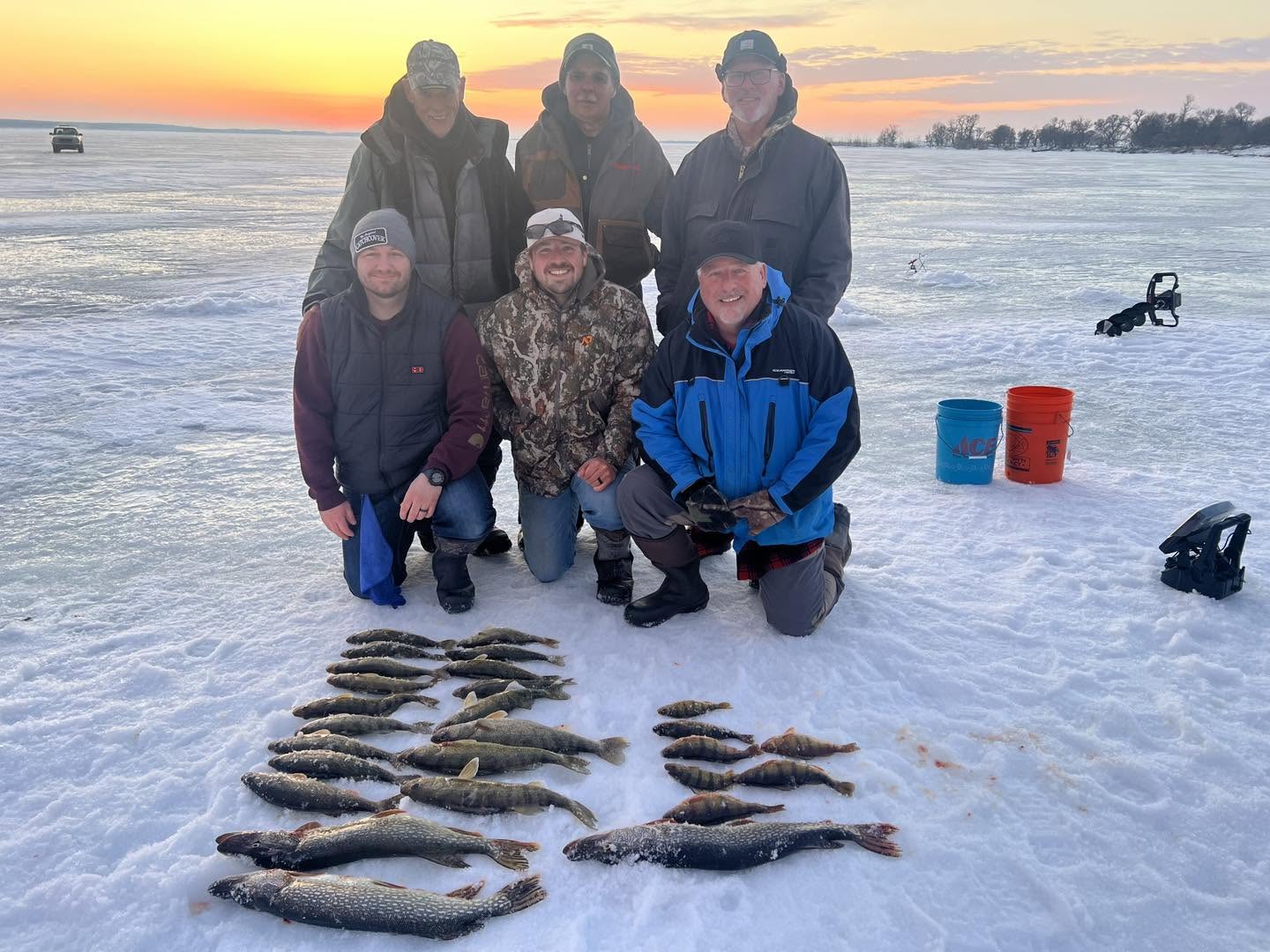
Few regions in North America are more closely associated with waterfowl production and hunting than the prairie pothole country surrounding Devils Lake, North Dakota.
Located in north-central North Dakota, the Devils Lake region sits within one of the most important waterfowl-producing landscapes on the continent. The combination of prairie potholes, wetlands, agricultural fields and large bodies of water creates a highly diverse environment for migrating ducks and geese.
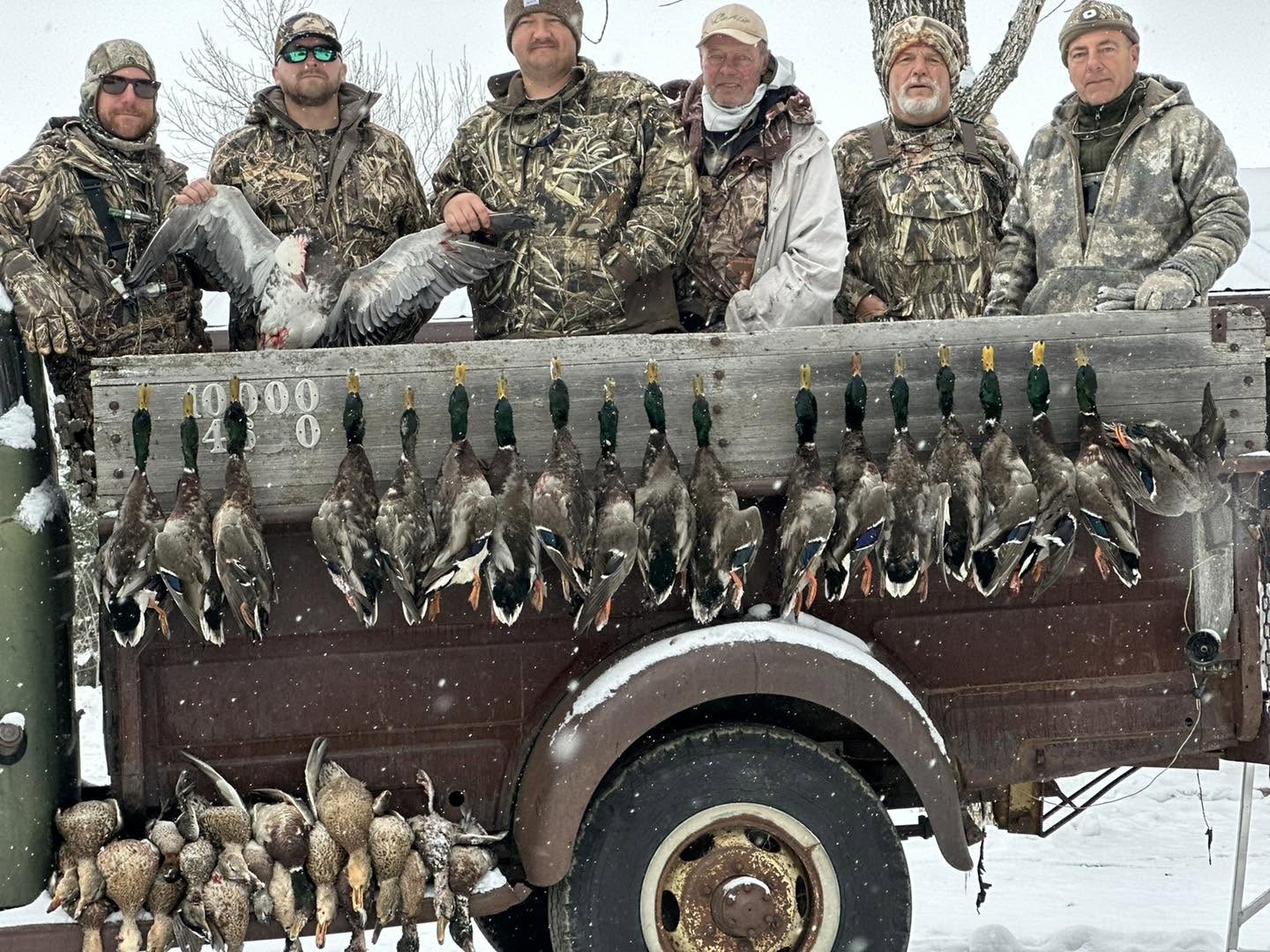
For generations, hunters have traveled to this region in pursuit of mallards, pintails, Canada geese, snow geese and other migratory waterfowl.
Today, Devils Lake continues to represent an important destination for guided duck hunting, goose hunting and outdoor adventure.
The region's hunting culture is built around three fundamental elements:
Waterfowl.
Prairie Habitat.
Hunting Tradition.
Together, they create one of North America's most recognizable waterfowl destinations.
The Devils Lake region is located in the heart of the Prairie Pothole Region, an area widely recognized for its importance to North American waterfowl production.
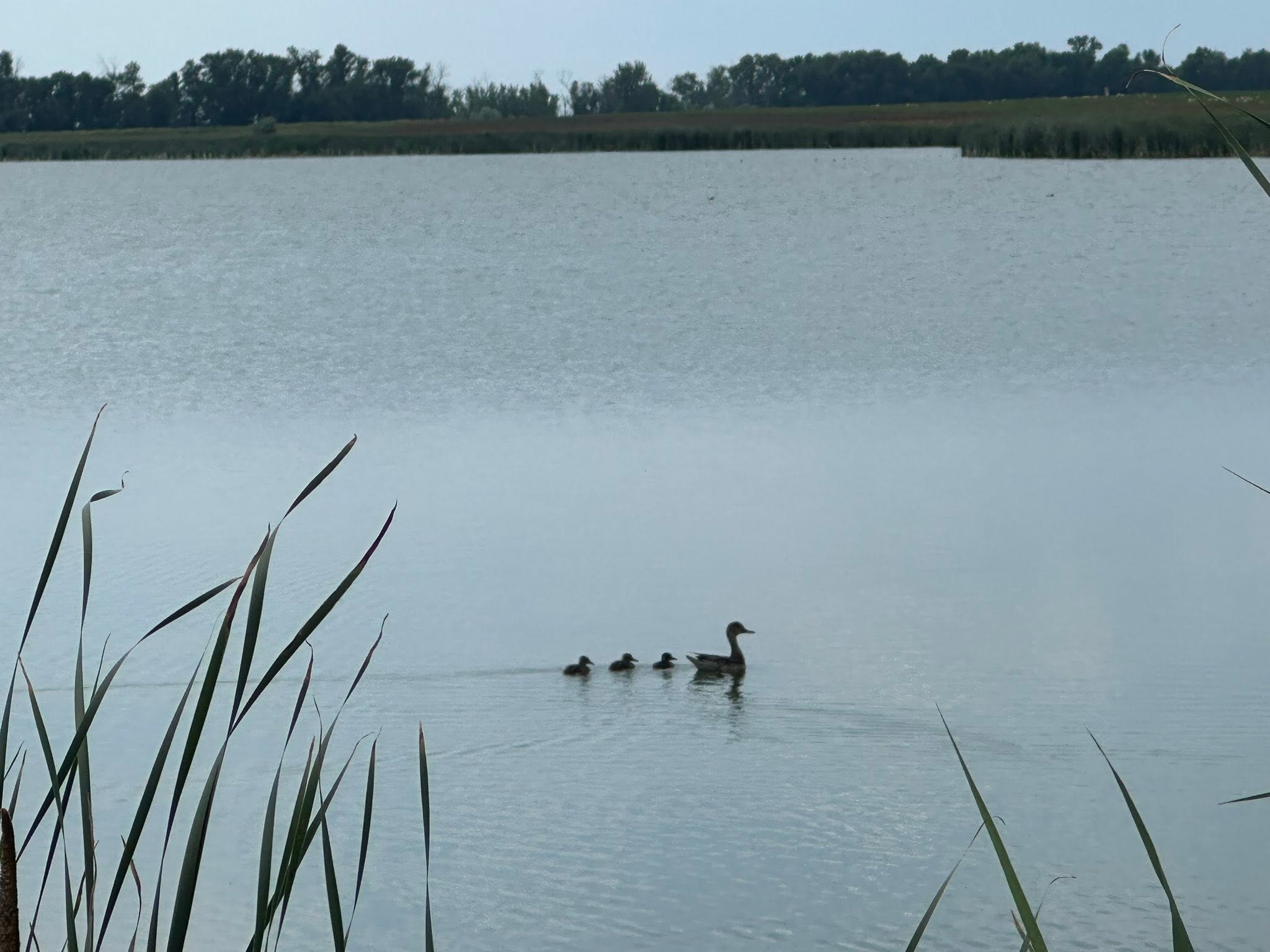
Small wetlands and prairie potholes provide breeding and nesting habitat for ducks and other migratory birds.
As the seasons change, these wetlands become staging and feeding areas for migrating waterfowl.
The surrounding agricultural landscape adds another important element.
Harvested fields containing wheat, barley, corn and soybeans can provide valuable feeding opportunities for ducks and geese.
This unique combination of:
· Wetlands
· Prairie potholes
· Agricultural fields
· Lakes
· Rivers
· Migration routes
creates a highly productive environment for waterfowl hunting.
Northern Flight Guide Service, one of the region's established waterfowl operations, describes its hunting properties as covering multiple counties around Devils Lake, including harvested wheat, barley, corn and soybean fields.
The Devils Lake region attracts hunters pursuing a wide variety of waterfowl.
Depending on the season and local conditions, hunters may encounter:
· Mallards
· Pintails
· Gadwalls
· Teal
· Canada Geese
· Snow Geese
· Blue Geese
The area is also recognized for Sandhill Crane hunting opportunities during the appropriate season.
For professional outfitters, the advantage of the Devils Lake region is the diversity of hunting environments.
A hunter may experience a field hunt over harvested grain one morning and a different wetland or pothole environment under changing conditions.
This creates a dynamic hunting experience that requires constant scouting and adaptation.
The Decoy remains one of the most important pieces of equipment in modern waterfowl hunting.
In the open agricultural landscapes surrounding Devils Lake, hunters often rely on large and highly visible decoy spreads to imitate feeding or resting flocks.
A successful spread requires more than simply placing decoys in a field.
Hunters consider:
· Wind direction
· Landing zones
· Bird species
· Field layout
· Blind position
· Sun direction
· Natural feeding patterns
The goal is to create a visual environment that looks natural to approaching waterfowl.
Modern decoy products therefore combine traditional hunting knowledge with contemporary manufacturing technology.
Important characteristics include:
· Realistic body shapes
· Accurate feather patterns
· Durable materials
· Weather-resistant paint
· Lightweight construction
· Stable field performance
· Efficient transportation
· Easy setup and storage
For Decoy manufacturers, the Devils Lake region provides an excellent example of a market where large-scale field hunting and realistic decoy spreads are closely connected.
One of the defining experiences around Devils Lake is field hunting for mallards and pintails.
Rather than focusing exclusively on traditional marsh hunting, many professional guides use harvested agricultural fields where ducks gather to feed.
Northern Flight Guide Service promotes field Mallard and Pintail hunts and describes its hunting properties as including harvested grain fields across multiple counties.
This hunting style places particular emphasis on:
Scouting + Decoys + Concealment + Calling + Timing
The decoy spread becomes an important part of the overall hunting strategy.
When birds approach a field at first light, a realistic spread can help create the visual impression of an active feeding flock.
The Devils Lake region is also strongly associated with goose hunting.
Large concentrations of Canada geese and seasonal movements of snow and blue geese create opportunities for hunters throughout the season.
Northern Flight specifically promotes decoying Canada goose and snow goose hunts in the region.
Goose hunting creates different equipment requirements from traditional duck hunting.
Hunters may use:
· Full-body goose decoys
· Shell goose decoys
· Silhouette decoys
· Large field spreads
· Motion accessories where legal
· Goose calls
For manufacturers, goose hunting represents an important extension of the North Dakota Decoy market.
The Devils Lake area is large and geographically diverse.
Finding productive hunting locations requires local knowledge and continuous scouting.
This is one of the primary reasons professional guide services remain important.
Northern Flight Guide Service states that its guides have spent thousands of hours scouting and observing regional waterfowl behavior and maintain hunting leases across multiple counties.
Similarly, Devils Lake Guide & Outfitters describes its operation as offering guided waterfowl hunts using licensed and professional local guides.
For visiting hunters, a professional guide can provide:
· Local hunting knowledge
· Scouting
· Transportation
· Decoy setup
· Calling strategy
· Field selection
· Safety guidance
This makes professional outfitters an important part of the North Dakota waterfowl industry.
The traditional waterfowl hunting experience is often incomplete without a trained retriever.
Labrador Retrievers and other working breeds have become closely associated with duck and goose hunting.
A trained hunting dog helps retrieve downed birds from:
· Wetlands
· Potholes
· Agricultural fields
· Shallow water
· Rivers
The combination of:
Hunter + Guide + Retriever + Decoys + Prairie
represents one of the most recognizable images of North American waterfowl hunting.
For many visitors, a Devils Lake waterfowl trip is more than simply a hunting package.
It represents an opportunity to experience the North Dakota landscape.
A typical trip may begin before sunrise.
Hunters meet their guides, prepare equipment and travel to the selected field.
Decoys are arranged before daylight.
The blind is prepared.
Calls are tested.
As the sun rises, migrating ducks begin moving across the prairie landscape.
When a flock turns toward the decoy spread, months of preparation and generations of hunting knowledge come together in a single moment.
This is the emotional foundation of waterfowl hunting culture.
For companies manufacturing duck and goose decoys, Devils Lake is an important market reference.
The region represents a hunting environment where:
Large Fields + Large Flocks + Professional Guides + Large Decoy Spreads
often come together.
This creates demand for products that are:
· Realistic
· Durable
· Lightweight
· Easy to transport
· Quick to deploy
· Suitable for large spreads
· Resistant to harsh weather
North Dakota's changing autumn conditions can also place considerable demands on outdoor equipment.
Therefore, products designed for this market need to perform under wind, cold temperatures, wet conditions and repeated field use.
The success of Devils Lake waterfowl hunting is ultimately dependent on healthy habitat.
The Prairie Pothole Region plays a fundamental role in the North American waterfowl ecosystem.
Protecting:
· Wetlands
· Prairie potholes
· Agricultural habitat
· Migration corridors
· Nesting areas
is therefore essential to the future of waterfowl hunting.
Responsible hunters and outfitters contribute to this culture by following regulations, respecting wildlife and supporting sustainable outdoor recreation.
The future of waterfowl hunting depends on maintaining a balance between hunting tradition and habitat conservation.
Devils Lake has become strongly associated with:
North Dakota Duck Hunting
North Dakota Goose Hunting
Prairie Pothole Hunting
Mallard Hunting
Pintail Hunting
Snow Goose Hunting
Canada Goose Hunting
Duck Decoys
Waterfowl Hunting Gear
These are not simply Google search terms.
Together, they represent a complete outdoor culture.
Devils Lake Waterfowl Outfitters, whether represented by an individual guide service or the broader Devils Lake outfitting community, stands within this tradition.
The North American waterfowl industry continues to evolve.
Hunters increasingly demand:
· More realistic decoys
· Lighter hunting equipment
· More durable materials
· Better camouflage
· Improved field organization
· More efficient hunting accessories
Yet the fundamentals remain unchanged.
Understand the birds.
Study the habitat.
Build the right decoy spread.
Work with the weather.
Respect the land.
Preserve the tradition.
That combination of knowledge, equipment and outdoor heritage is what makes the Devils Lake region such an important part of North American waterfowl culture.


