
Views: 0 Author: Site Editor Publish Time: 2026-08-12 Origin: Site


Few places in North America represent the heritage of waterfowl hunting as strongly as Bayou Meto Wildlife Management Area in Arkansas.
Located in the Arkansas Delta, Bayou Meto has become synonymous with flooded timber duck hunting, public-land waterfowl hunting, and the deeply rooted traditions of the Mississippi Flyway. The area covers approximately 33,832 acres across Arkansas and Jefferson counties, with thousands of acres seasonally flooded to create habitat for migrating waterfowl.
For generations, hunters have traveled to this remarkable landscape in search of mallards and other migratory waterfowl. More importantly, they have come to experience a hunting environment that demands patience, preparation, knowledge of the woods, and an intimate understanding of waterfowl behavior.
Bayou Meto is not simply another duck-hunting destination. It represents a distinctive chapter in American waterfowl heritage.
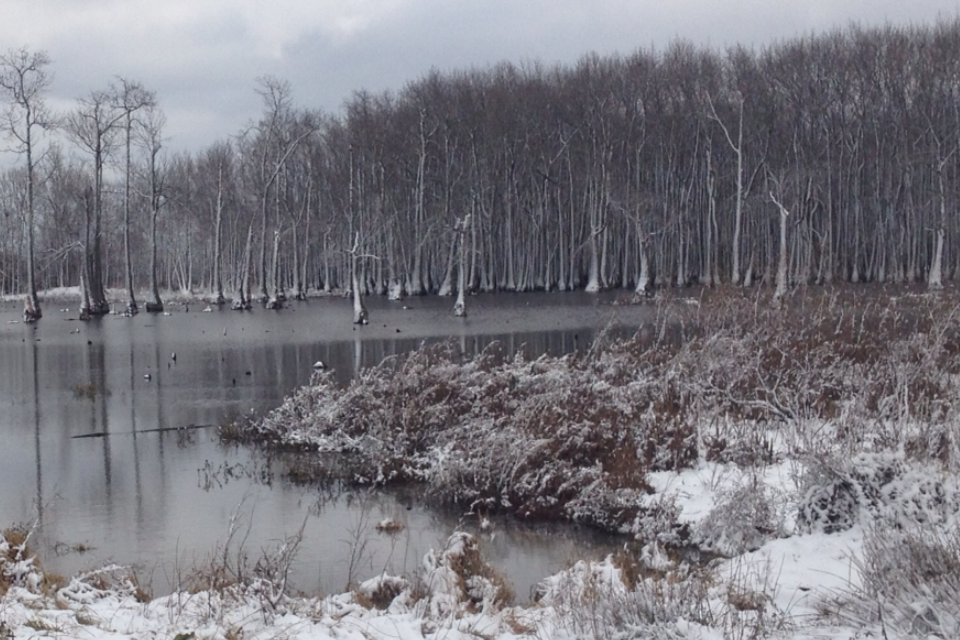
One of the defining characteristics of Bayou Meto is its flooded hardwood timber.
Unlike open-water duck hunting, flooded timber hunting places hunters beneath a canopy of mature trees, where rising water transforms the forest floor into a temporary wetland ecosystem.
During the waterfowl season, this environment can become a dramatic winter habitat for migrating ducks.
The flooded timber environment requires hunters to understand:
· Water levels
· Wind direction
· Timber openings
· Natural food sources
· Duck flight patterns
· Weather conditions
· Boat access
· Seasonal migration
The experience is as much about reading the environment as it is about hunting.
For many waterfowl enthusiasts, watching mallards descend through the timber toward a carefully prepared hunting position represents one of the most iconic experiences in Arkansas duck hunting.
The Mississippi Flyway is one of North America's most important migratory corridors.
Millions of waterfowl travel through the flyway every year, connecting northern breeding grounds with southern wintering habitats.
Arkansas sits at the heart of this migration system, making the state's wetlands and flooded timber particularly important to waterfowl hunters.
Bayou Meto's reputation has grown directly from this unique relationship between:
Migration + Wetlands + Flooded Timber + Hunting Tradition
This combination has helped establish Bayou Meto as one of the most recognizable names in American public-land duck hunting.
The history of Bayou Meto is also connected to the broader culture of duck decoys.
Long before modern hunting technology, hunters relied on carefully crafted decoys to create the appearance of a natural flock.
Traditional duck decoys were often made from wood and hand-painted with realistic feather patterns.
The goal was simple:
Create a convincing environment where migrating ducks would feel comfortable landing.
This tradition has evolved into the modern Decoy Spread, where hunters carefully consider:
· Species
· Position
· Spacing
· Wind
· Water depth
· Natural bird behavior
In flooded timber, decoy placement can be particularly important because visibility and shooting lanes are different from those found in open marshes.
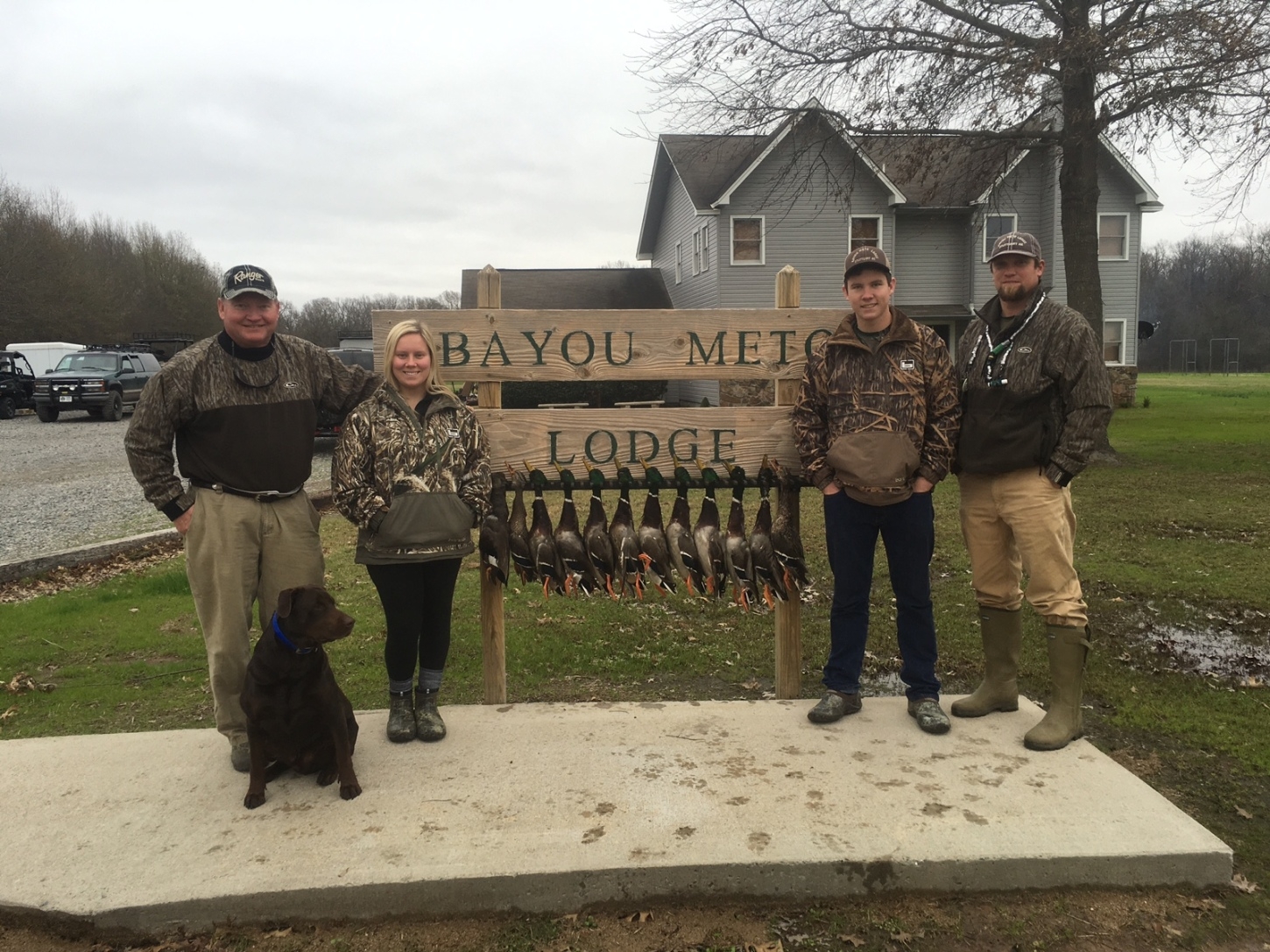
For companies involved in duck decoys and waterfowl hunting equipment, Bayou Meto represents an especially interesting cultural reference point.
However, the market must be approached with an understanding of local regulations.
Arkansas regulations specifically prohibit the use of simulated wing-movement decoys on Bayou Meto WMA during the regular duck season.
This makes Bayou Meto an excellent example of why regional hunting regulations matter when developing and marketing waterfowl equipment.
Traditional floating decoys, realistic body shapes, natural finishes, and practical rigging systems remain closely connected with the broader decoy culture, while hunters must always verify current regulations before entering the field.
Bayou Meto is particularly significant because it is public land.
The Arkansas Game and Fish Commission manages the area as a Wildlife Management Area and requires appropriate hunting licenses or WMA/Lake Conservation permits for users.
Public-land hunting creates a different experience from private hunting clubs.
It emphasizes:
· Scouting
· Preparation
· Competition for productive locations
· Boat skills
· Local knowledge
· Adaptability
Hunters cannot simply depend on private managed fields.
They must understand the landscape and adapt to changing conditions.
This makes Bayou Meto especially valuable as part of the cultural history of American public-land waterfowl hunting.
Successful Bayou Meto hunting requires considerable preparation.
Before entering the woods, hunters may study:
· Water levels
· Weather forecasts
· Migration reports
· Boat routes
· Hunting regulations
· Access points
· Habitat conditions
Equipment preparation is equally important.
A typical traditional waterfowl setup may include:
· Duck Decoys
· Decoy Lines
· Anchors
· Duck Calls
· Waders
· Shotguns
· Waterproof Clothing
· Hunting Boats
· Safety Equipment
The environment places particular emphasis on mobility, organization, and safety.
Bayou Meto represents something larger than the harvest of waterfowl.
It represents the culture surrounding the hunt.
The experience begins before sunrise, when hunters travel through dark flooded timber toward their chosen location.
It continues as the forest becomes illuminated by the morning sky and migrating ducks begin moving through the trees.
For generations, these moments have become part of the stories shared between fathers and sons, friends, hunting partners, and generations of outdoor enthusiasts.
That cultural continuity is one of the most important elements of the Bayou Meto legacy.
Wildlife Management Areas exist not only to provide outdoor recreation but also to support wildlife conservation and habitat management.
Bayou Meto's wetlands and flooded timber provide valuable habitat for migratory birds.
The relationship between hunting and conservation is therefore fundamental to the region's outdoor culture.
Responsible hunters contribute to the broader conservation system through:
· Following hunting regulations
· Supporting habitat protection
· Respecting seasonal restrictions
· Practicing ethical hunting
· Protecting wetlands
· Passing outdoor knowledge to future generations
The continued health of waterfowl populations depends on maintaining this balance.
Bayou Meto Wildlife Management Area has developed a reputation that extends far beyond Arkansas.
For many waterfowl hunters, the name represents:
Arkansas Duck Hunting
Flooded Timber Duck Hunting
Mississippi Flyway
Public Land Duck Hunting
Mallard Hunting
Duck Decoys
Waterfowl Heritage
These keywords describe more than search trends.
They represent an entire outdoor culture.
The future of waterfowl hunting depends on maintaining the connection between hunters, wildlife, habitat, and tradition.
Bayou Meto demonstrates how public land can become an important part of America's outdoor heritage.
Its flooded timber, migrating waterfowl, traditional decoy culture, and demanding hunting environment create a distinctive experience that continues attracting passionate hunters.
For the waterfowl industry, Bayou Meto also provides an important reminder:
Successful hunting equipment must be designed not only for birds, but for landscapes, traditions, and regulations.
From traditional duck decoys to modern lightweight hunting equipment, the future of waterfowl gear will continue to evolve.
But the fundamental values remain unchanged:
Respect the habitat. Understand the birds. Follow the regulations. Preserve the tradition.


