
Views: 0 Author: Site Editor Publish Time: 2026-08-20 Origin: Site


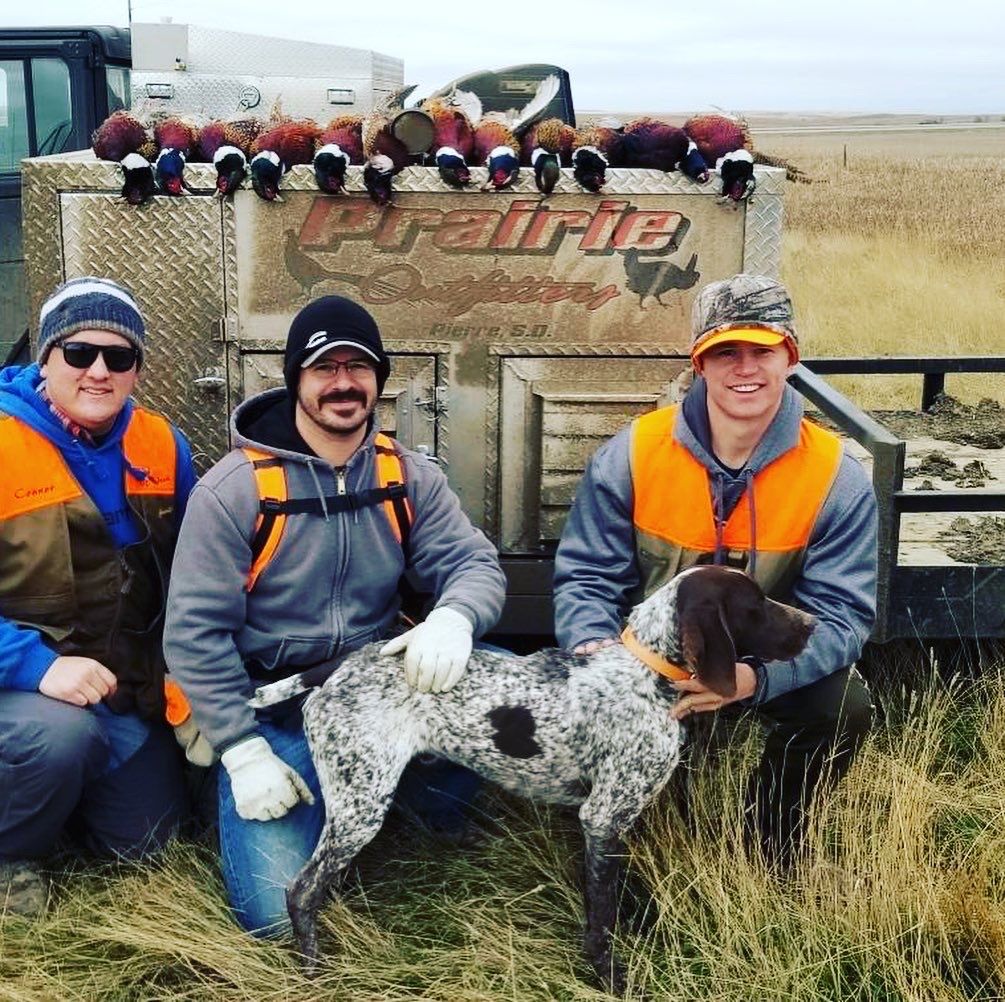
Across the wide-open landscapes of North America, few environments represent the spirit of hunting and outdoor adventure quite like the prairie. Vast grasslands, agricultural fields, wetlands, rivers and seasonal ponds create a unique ecosystem that supports generations of wildlife and provides outstanding opportunities for hunters.
Within this environment, Prairie Outfitters represents a traditional approach to outdoor adventure that combines local knowledge, wildlife habitat, waterfowl hunting and the equipment that makes every hunt memorable.
For generations, hunters have traveled across the prairie in pursuit of ducks, geese, upland birds and other game. Today, modern hunting technology has changed many aspects of the outdoor experience, but the fundamentals remain remarkably similar: understand the land, study the birds, follow the weather, build the right setup and respect the natural environment.
Among the most important elements of modern waterfowl hunting is the decoy.
Duck decoys and goose decoys have evolved from simple hunting tools into highly realistic pieces of outdoor equipment. Their purpose remains the same—to create a convincing visual representation of a flock and help hunters bring migrating waterfowl within range.
For Prairie Outfitters and the hunters they serve, the relationship between prairie habitat and decoy hunting is particularly important.
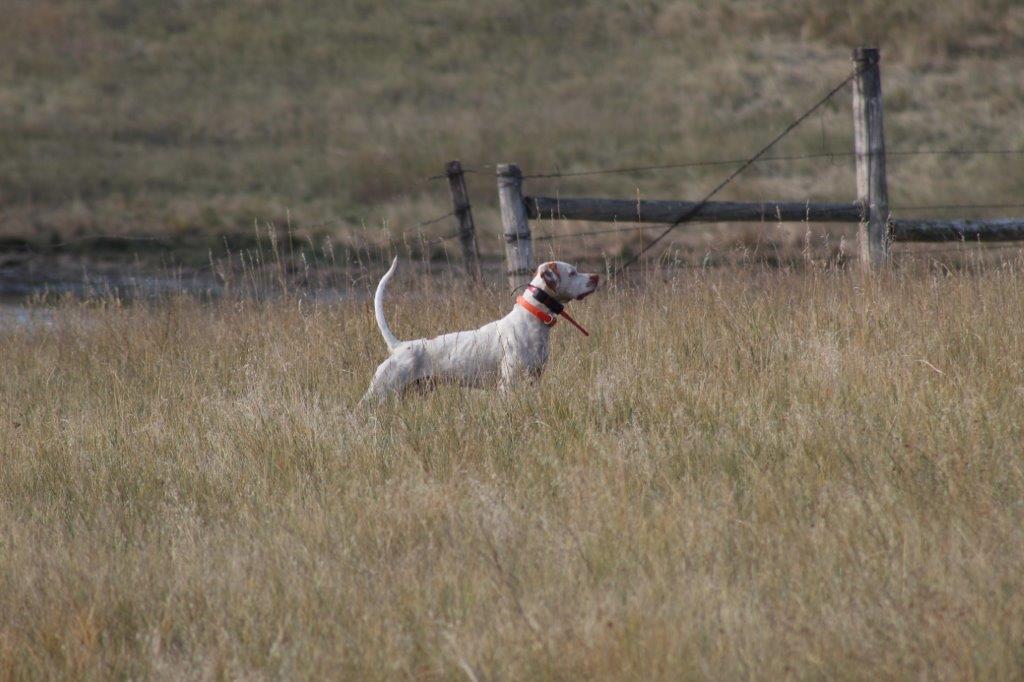
The prairie landscape is much more than an open field.
Across the Great Plains and Prairie Pothole Region, thousands of wetlands and seasonal ponds provide important habitat for migratory birds.
These wetlands are surrounded by grasslands and agricultural fields that provide food and shelter throughout the year.
During migration seasons, ducks and geese move between water and agricultural areas as they search for food and suitable resting locations.
This creates a dynamic hunting environment.
A professional outfitter must understand how these different habitats interact.
Water levels can change.
Weather systems can move birds.
Wind direction can alter flight patterns.
Harvested crops can suddenly become attractive feeding locations.
The best hunting strategy therefore depends on continuous observation and scouting.
This is where the experience of professional waterfowl hunting outfitters becomes particularly valuable.
Waterfowl hunting remains one of the most popular forms of hunting across the North American prairie.
Depending on location and season, hunters may pursue:
· Mallard
· Pintail
· Gadwall
· Wigeon
· Teal
· Canada Goose
· Snow Goose
· Specklebelly Goose
Each species presents different challenges.
Mallards may respond differently to a decoy spread than Canada geese.
Snow goose hunting can require enormous spreads.
Field goose hunting often demands large numbers of realistic full-body goose decoys.
Meanwhile, traditional duck hunting may involve a smaller spread positioned around a natural landing zone.
This diversity is one of the reasons the prairie remains such an attractive destination for serious waterfowl hunters.
 The Culture of Duck Decoys
The duck decoy is one of the most recognizable symbols of North American waterfowl hunting.
Historically, hunters used hand-carved wooden decoys to imitate ducks.
Today, modern manufacturing technology has transformed the industry.
Contemporary duck decoys may be produced from lightweight plastics, EVA and other durable materials.
Advanced molding technology allows manufacturers to create highly realistic body shapes, feather details and natural postures.
Modern painting techniques can further improve realism.
For hunters, the objective is simple:
Make the decoy spread look natural.
Yet achieving that result requires careful planning.
Hunters consider:
· Wind direction
· Sun position
· Water depth
· Bird behavior
· Landing zones
· Decoy spacing
· Blind location
The best decoy spread does not simply contain many decoys.
It creates the appearance of a natural flock.
 Goose Decoys and Large Field Spreads
Goose hunting has created an especially strong market for modern decoys.
Canada goose hunting in agricultural fields often involves large spreads containing dozens or even hundreds of decoys.
Full-body goose decoys have become particularly popular because of their three-dimensional appearance.
Compared with flat silhouettes, realistic full-body decoys can create a more convincing visual impression when viewed by approaching birds.
For professional outfitters, however, realism is only one consideration.
Decoys also need to be:
Lightweight.
Durable.
Weather-resistant.
Easy to transport.
Easy to store.
Fast to deploy.
These requirements become especially important when guides need to prepare large hunting spreads before sunrise.
One of the most important skills in professional waterfowl hunting is scouting.
Experienced outfitters understand that birds change their behavior according to conditions.
A field that produced excellent hunting yesterday may be empty tomorrow.
A small wetland that appears insignificant may suddenly attract thousands of migrating ducks after a weather change.
Scouting allows guides to identify:
· Feeding areas
· Roosting areas
· Flight paths
· Water sources
· Agricultural fields
· Bird concentrations
The information gathered during scouting determines where blinds are placed and how decoy spreads are designed.
This is why professional hunting is not simply about equipment.
It is about combining equipment with knowledge.
For visiting hunters, an experienced guide can make a significant difference.
Professional outfitters provide more than access to hunting land.
They often contribute:
· Local knowledge
· Scouting
· Hunting strategy
· Decoy setup
· Calling techniques
· Transportation
· Field preparation
· Safety guidance
The guide understands the landscape and helps hunters make decisions based on current conditions.
For hunters traveling from other states or countries, this expertise can turn a complicated hunting trip into a more organized outdoor experience.
The prairie hunting tradition is also closely connected to hunting dogs.
Labrador Retrievers and other retriever breeds are particularly popular among waterfowl hunters.
A trained dog can retrieve ducks and geese from water, wetlands and agricultural fields.
For upland hunting, pointing breeds and flushing dogs can help hunters locate birds hidden within grass and cover.
The partnership between hunter and dog is one of the defining traditions of North American hunting.
Together with decoys, calls, blinds and firearms, hunting dogs form an important part of the complete outdoor experience.
A successful waterfowl hunt begins long before the first shot.
It starts with scouting.
Then comes weather analysis.
After selecting a hunting location, guides and hunters prepare their equipment.
Decoys are transported into the field.
The blind is carefully concealed.
The spread is arranged according to wind direction.
The first light of dawn begins to appear.
Then the prairie comes alive.
Ducks and geese begin moving across the horizon.
For a moment, everything depends on timing.
The right location.
The right wind.
The right decoy spread.
The right concealment.
The right call.
This combination is what makes waterfowl hunting such a unique outdoor tradition.
Modern hunting culture is increasingly connected to conservation.
Healthy wetlands and grasslands are essential to the future of migratory waterfowl.
The Prairie Pothole Region, in particular, provides critical breeding and nesting habitat for many duck species.
Protecting wetlands, grasslands and migration corridors benefits wildlife and future generations of hunters.
Responsible outfitters understand that their businesses depend on healthy ecosystems.
By following hunting regulations, respecting wildlife and supporting habitat conservation, hunters and guides can help preserve the outdoor traditions they value.
The Decoy industry continues to evolve.
Hunters are looking for products that provide greater realism without creating additional transportation problems.
Manufacturers are therefore focusing on:
· Lightweight construction
· Realistic body shapes
· Detailed paint
· Durable materials
· Weather resistance
· Easy storage
· Efficient field deployment
For professional outfitters, these improvements can make a significant difference.
A lighter decoy can reduce transportation effort.
A stronger material can extend product life.
A realistic paint scheme can improve the appearance of the spread.
An efficient storage system can save valuable preparation time.
This combination of traditional hunting knowledge and modern manufacturing technology represents the future of the waterfowl equipment industry.
Prairie Outfitters represents more than a hunting service.
It represents a connection between people, wildlife and the landscape.
The prairie teaches hunters patience.
Waterfowl teach hunters adaptation.
Decoys teach hunters the importance of detail.
Dogs demonstrate teamwork.
Guides provide knowledge.
Together, these elements form a hunting culture that has continued for generations.
For hunters searching for authentic prairie hunting, duck hunting, goose hunting and waterfowl hunting experiences, professional outfitters remain an important part of the North American outdoor industry.
And for the Decoy industry, prairie hunting represents one of the most important markets for realistic, durable and efficient hunting equipment.
From the first Mallard circling above a decoy spread to a flock of Canada Geese dropping toward a field, the prairie continues to provide the perfect setting for one of North America's most enduring outdoor traditions.


