
Views: 0 Author: Site Editor Publish Time: 2026-09-23 Origin: Site


Within this landscape, Maxxed Out Guides has built a specialized guided hunting operation focused on duck and goose hunting, snow goose hunting, and other seasonal game. The company has been guiding waterfowl hunts since 2007 and currently operates across Minnesota, South Dakota, and Kansas, following migration patterns for more than seven months of the year. Its official website describes the operation as working across both the Central and Mississippi Flyways, moving from western Minnesota and South Dakota toward Kansas as the migration progresses.
For the modern waterfowl hunter, this approach represents an important evolution in guided hunting. Rather than treating a hunt as a fixed-location activity, Maxxed Out Guides emphasizes scouting, habitat, migration timing, field selection, concealment, calling, and decoy strategy. These elements together form the foundation of contemporary waterfowl hunting culture.
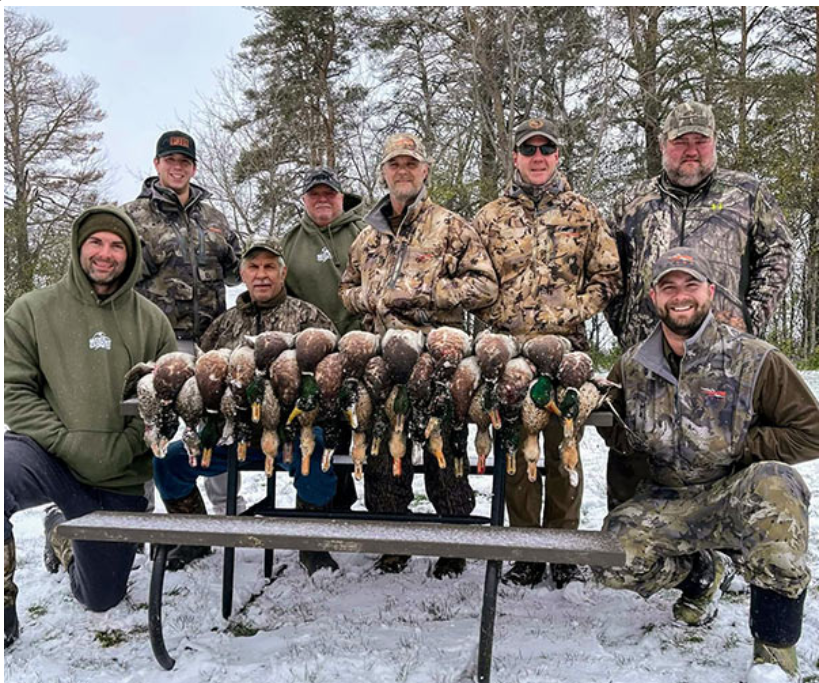
One of the defining characteristics of Maxxed Out Guides is its multi-state hunting structure. Western Minnesota provides early-season opportunities for ducks and giant Canada geese, while South Dakota offers a combination of prairie potholes, grain fields, and migration habitat. As the season progresses, the operation shifts toward northern Kansas, where late-season Mallards, Canada Geese, Specklebellies, and Snow Geese become important targets. Spring Snow Goose hunting extends the seasonal calendar even further.
This mobility is closely connected to the philosophy of modern waterfowl hunting: hunt where the birds are.
In western Minnesota, the company describes a landscape containing potholes and grain fields, with early-season hunts focusing on local Mallards, Teal, Wood Ducks and Canada Geese, followed later by migrating Mallards, Wigeon, Pintail and Gadwall.
South Dakota brings another dimension. The company's hunts there are frequently conducted over harvested corn and soybean fields using A-frame or layout blinds, while water hunts can involve decoys placed in water with hunters remaining on dry ground.
Kansas then becomes an important late-season destination, with hunting opportunities involving Mallards, Giant Canada Geese, Specklebellies and Snow Geese. Field hunts may take place in corn, soybean or wheat stubble, while open-water opportunities can include rivers and pasture ponds.
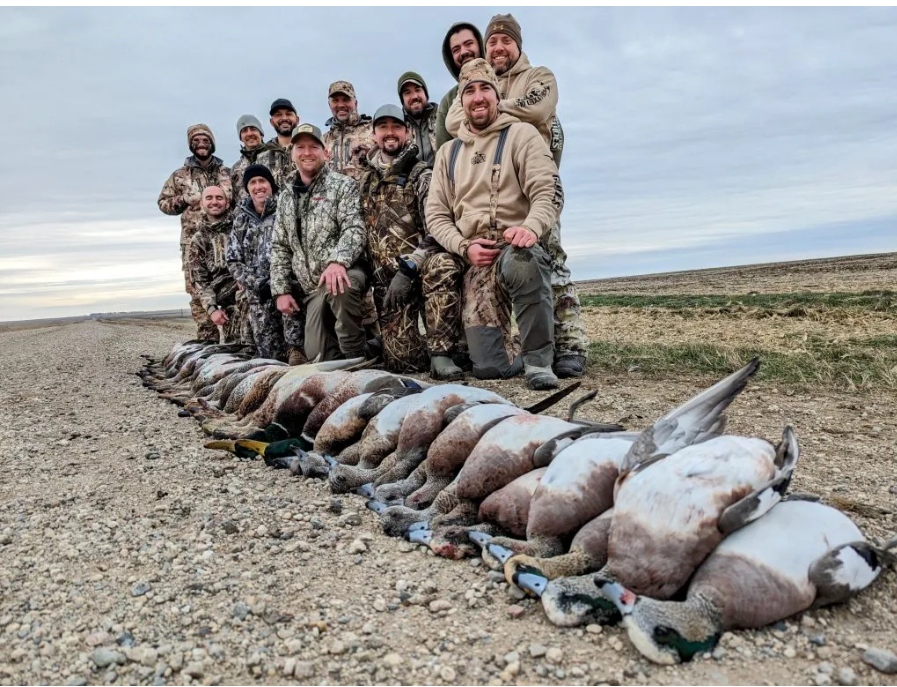
Modern waterfowl hunting is increasingly built around information.
Migration is never completely predictable. A field that produced birds yesterday may be empty tomorrow. A pond can become attractive after a weather change, while a harvested cornfield can suddenly become the center of a feeding pattern.
Maxxed Out Guides emphasizes daily scouting and adapting hunting locations according to bird movement and habitat conditions. Its western Minnesota operation describes a strategy centered on finding fresh fields and active bird locations rather than repeatedly hunting the same location.
This is where Decoy Culture becomes particularly important.
A duck decoy is not simply a model of a bird.
Within North American waterfowl culture, decoys have developed from traditional hand-carved objects into sophisticated hunting equipment designed around realism, visibility, durability, portability, and behavioral presentation.
The history of decoy culture is closely connected to the development of waterfowl hunting itself. Hunters learned that birds respond not only to sound but also to visual signals. A group of apparently relaxed ducks or geese on a feeding field or resting water can provide a powerful visual cue to passing birds.
Modern Realistic Duck Decoys and Realistic Goose Decoys therefore have a functional role. Shape, posture, paint pattern, size, finish, flocking, movement, spacing, and positioning all influence how a spread appears from the air.
For professional guides, decoys also have to withstand repeated use.
A guide service may set up and remove hundreds of decoys throughout a season. Equipment must therefore balance realism with durability. Lightweight Duck Decoys, Durable Waterfowl Decoys, EVA Duck Decoys, and Plastic Duck Decoys have become important categories in the modern hunting-equipment market.
The purpose is not simply to own more decoys. The objective is to build a spread that looks believable under the specific hunting conditions of the day.
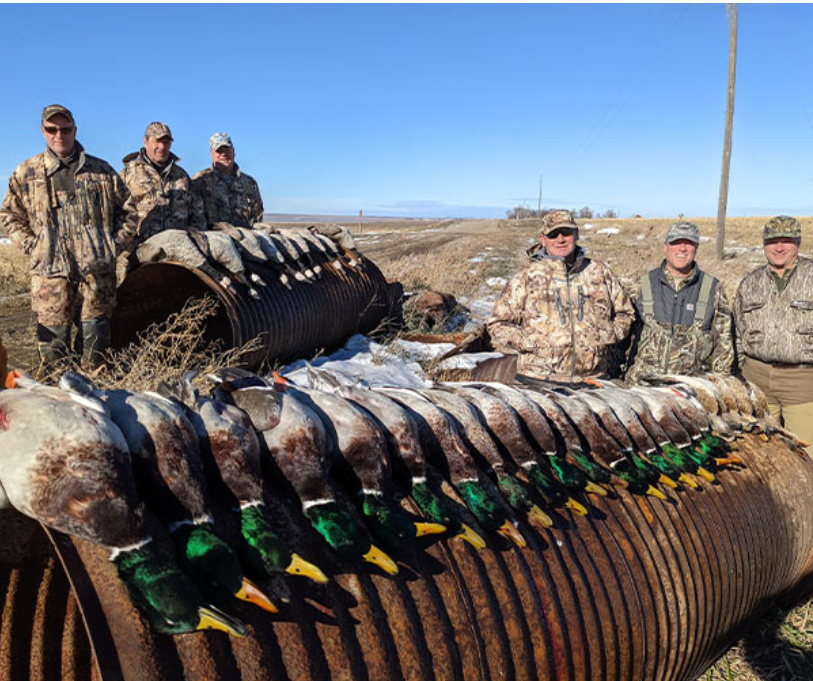
Maxxed Out Guides has even addressed one of the most frequently discussed subjects among waterfowl hunters: how to set up a goose decoy spread.
Its published guidance emphasizes that there is no universal X, C, or J-shaped formula that works in every field. Instead, hunters should consider how real geese behave and how birds naturally position themselves on the landscape.
This concept represents an important part of Decoy Culture.
A successful Duck Decoy Spread is not merely a collection of artificial birds. It is a visual simulation of natural behavior.
Spacing can create landing zones. Groups can suggest feeding or resting birds. Open areas can provide an apparent safe zone. Wind direction, blind location, field layout, water access and expected flight paths can all influence the final configuration.
For goose hunting, Full Body Goose Decoys, Canada Goose Decoys, Specklebelly Goose Decoys, and Snow Goose Decoys can be combined according to the target species and hunting environment.
In dry-field hunting, the spread may be arranged around the feeding behavior of geese. On water, the emphasis may shift toward natural resting or loafing patterns.
The result is a form of outdoor visual engineering—one that combines biology, geography, weather and equipment.
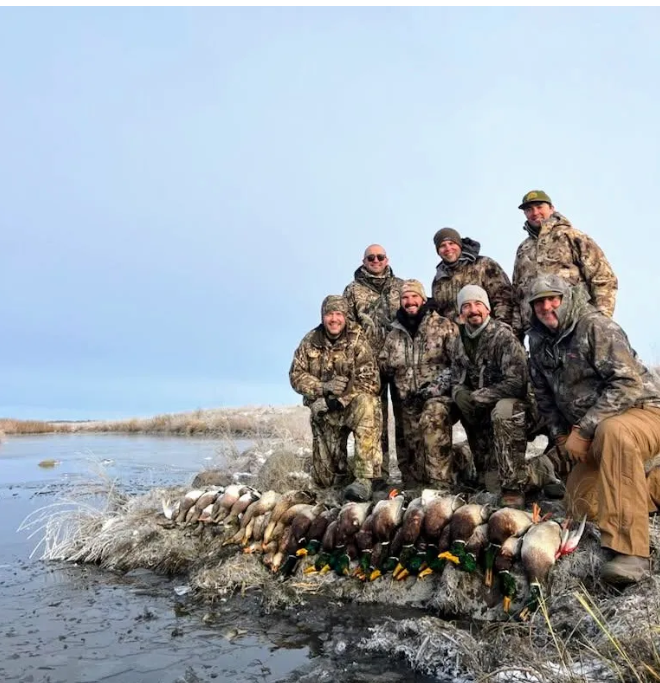
Mallards remain one of the most recognizable species in North American duck hunting culture.
Maxxed Out Guides identifies Mallards among the important targets in western Minnesota and Kansas. In Minnesota, later-season migration brings Mallards along with Wigeon, Pintail and Gadwall. In Kansas, late-season Mallard hunting becomes an important part of the operation.
This creates natural opportunities for Mallard Duck Decoys and specialized Mallard Decoy Spreads.
For manufacturers and hunting-equipment professionals, Mallard hunting demonstrates why species-specific realism matters. Hunters increasingly look for accurate body proportions, natural poses, convincing paint schemes and field durability.
A professional outfitter also needs equipment that can be transported, stored, deployed and recovered efficiently.
Therefore, modern decoy design is increasingly connected to logistics as much as appearance.
Goose hunting is another major part of the Maxxed Out Guides experience.
Western Minnesota is used for giant Canada Goose hunting, while Kansas provides opportunities for Giant Canada Geese, Specklebellies and Snow Geese. Spring Snow Goose hunts in Kansas and South Dakota further extend the hunting calendar.
The diversity of goose species also demonstrates why the modern decoy industry has moved toward increasingly specialized products.
Canada Goose Decoys need to communicate the size and body profile of large geese.
Specklebelly Goose Decoys need different visual proportions and markings.
Snow Goose Decoys are often used in larger spreads where flock size and visual density become especially important.
For professional guides, the ability to deploy large numbers of decoys efficiently is an important part of field operations.
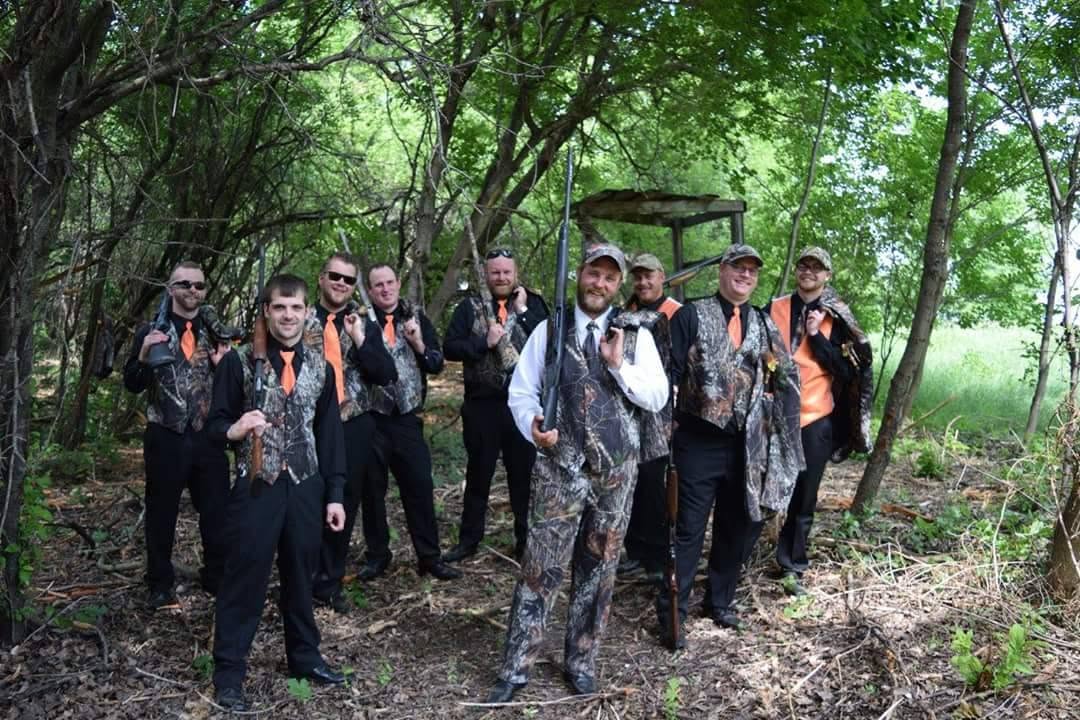
Decoys alone do not create a successful hunt.
Maxxed Out Guides uses A-frame blinds, layout blinds and other concealment systems depending on habitat and hunting conditions. Its Minnesota operation describes field and water setups using A-frames, permanent or pit-style blinds, layout blinds and natural cover.
The relationship between blind placement and decoy placement is fundamental.
The spread must encourage birds toward a practical shooting zone while the hunters remain concealed. This requires the guide to understand wind, visibility, terrain, bird approach angles and natural behavior.
The decoy spread therefore becomes part of a larger system:
Scouting → Habitat → Wind → Blind → Decoy Spread → Calling → Bird Behavior → Shot Opportunity
This system is at the heart of modern professional waterfowl guiding.
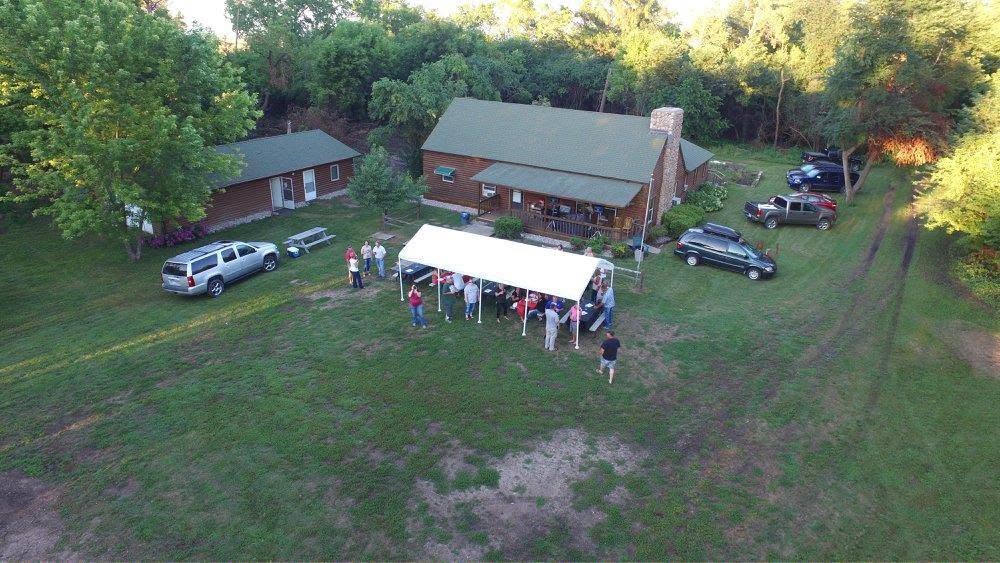
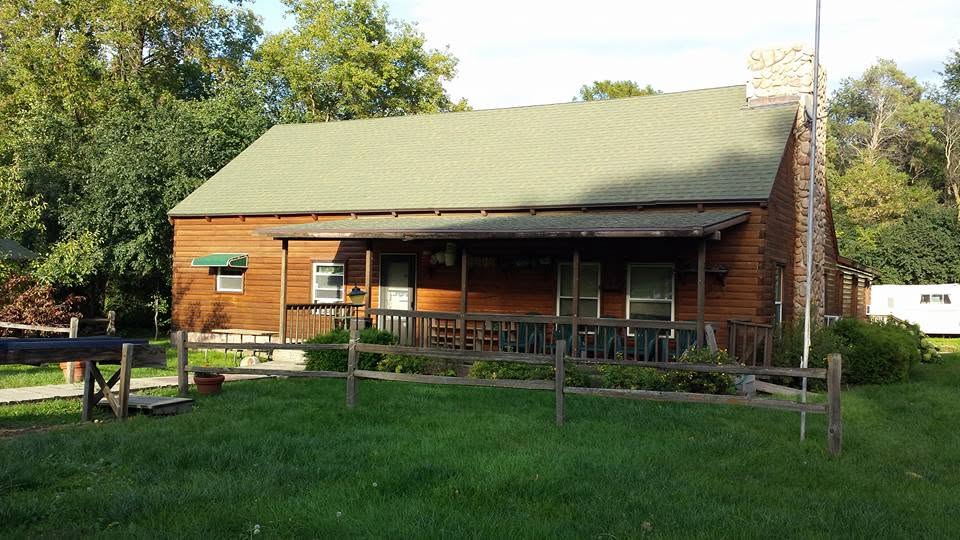
Maxxed Out Guides also places emphasis on the overall experience beyond the field. The company operates hunting lodges in Minnesota, South Dakota and Kansas, with furnished accommodations and Wi-Fi. It also offers hunting videography, allowing groups to document their hunts from setup through the moment birds commit to the decoy spread.
The company's official contact information lists Dawson, Minnesota, with Graham as the primary contact.
This combination of guided hunting, lodging, equipment, scouting, decoys and hospitality reflects the transformation of waterfowl hunting from an individual outing into a complete outdoor experience.
The future of waterfowl hunting equipment will continue to combine traditional hunting knowledge with modern manufacturing.
Hunters will continue to value the look and character of traditional decoys, while professional guides will demand products that are lightweight, durable, realistic and efficient to transport.
For that reason, EVA Duck Decoys, Plastic Duck Decoys, Realistic Waterfowl Decoys, Lightweight Goose Decoys, and high-durability professional decoys are likely to remain important categories within the hunting-equipment market.
Maxxed Out Guides provides a useful example of how modern outfitting connects these elements. Its multi-state operation follows migration, changes locations according to bird movement, uses professional concealment and equipment, and relies on carefully selected decoy spreads to reproduce natural waterfowl behavior.
For the broader hunting industry, Decoy Culture is therefore more than a product category. It is part of the language, history and technology of North American waterfowl hunting.
From the prairie potholes of Minnesota and South Dakota to the late-season grain fields of Kansas, the combination of migration, habitat, scouting, calling and realistic decoy spreads continues to define the modern waterfowl experience.


