
Views: 0 Author: Site Editor Publish Time: 2026-11-12 Origin: Site


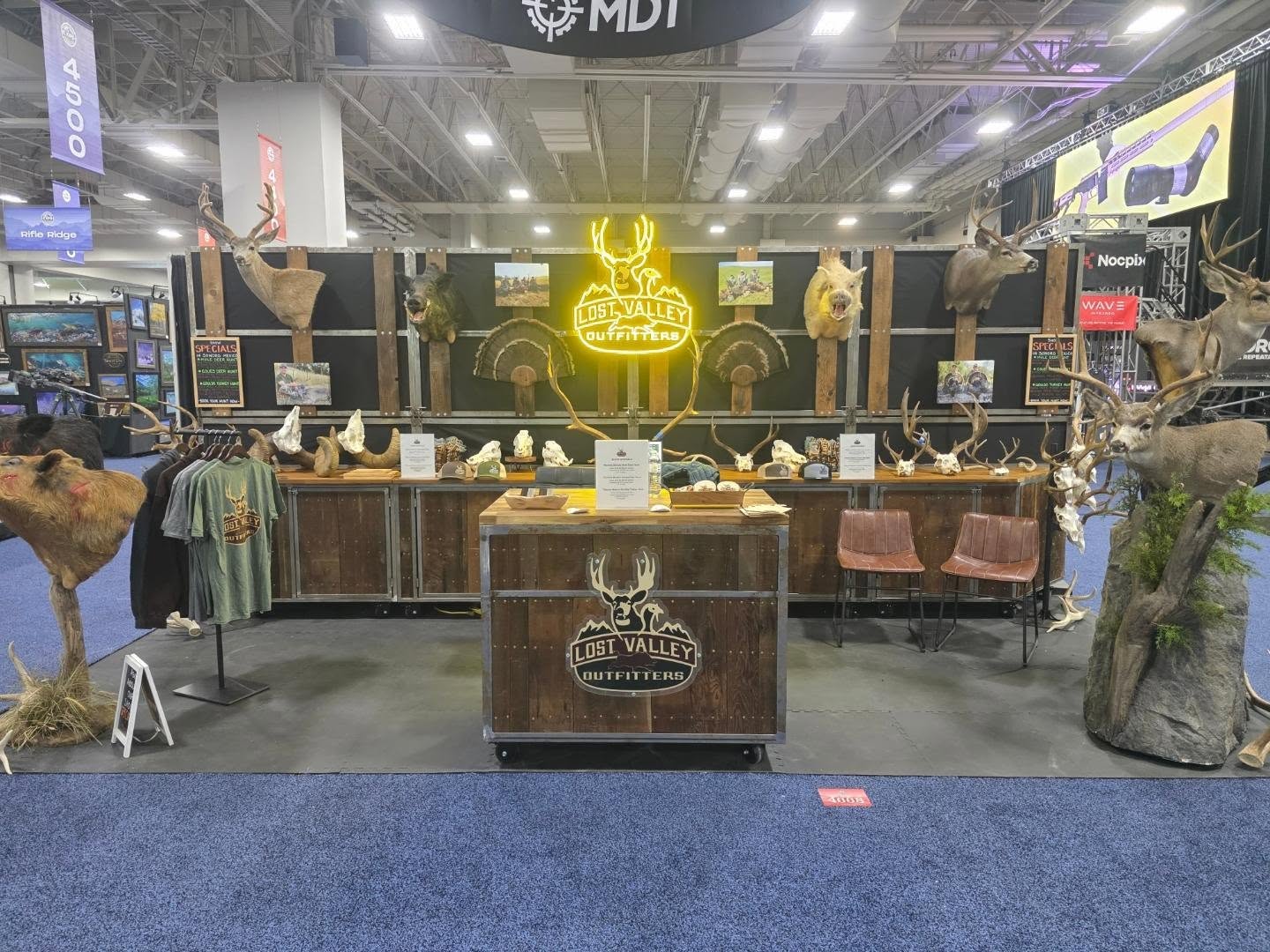
California’s Central Coast offers a remarkable combination of rolling oak hills, open valleys, agricultural fields, brush country and rugged canyons. These diverse landscapes support a variety of game species and create outstanding opportunities for hunters seeking an authentic outdoor experience.
Based in California’s Central Coast, Lost Valley Outfitters provides fully guided hunting experiences across more than 40,000 acres of managed private hunting leases. Located between Monterey and Santa Barbara, the outfitter offers access to a broad range of terrain and hunting opportunities, making it a destination for both experienced hunters and newcomers looking to explore California’s hunting traditions.
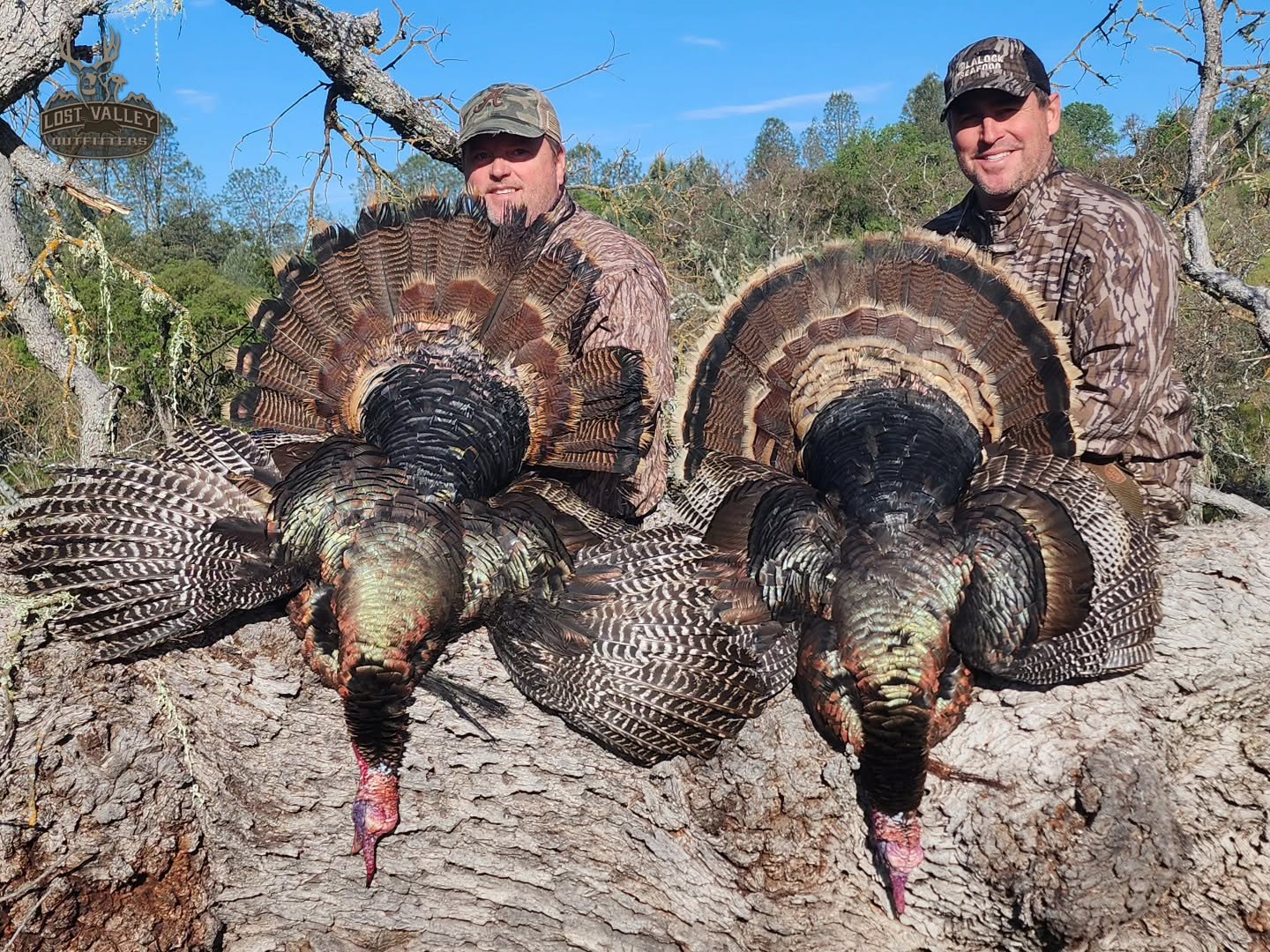
Lost Valley Outfitters offers a range of guided hunts designed around the wildlife and natural environments of California’s Central Coast.
Its published hunting programs include wild pig hunting, Tule elk hunting, blacktail deer hunting, Rio Grande turkey hunting, upland game bird hunting and predator or varmint hunting.
Wild pig hunts are available with rifle and archery options. Hunters can experience spot-and-stalk opportunities across oak-covered hills, barley fields, timber, water sources and steep canyons. Blacktail deer hunts focus on trophy and management opportunities, while Tule elk hunts provide access to private hunting grounds for hunters with the appropriate tags.
For bird hunters, the outfitter offers Rio Grande turkey hunts during spring and fall, as well as upland game bird opportunities that may include dove and quail. These different programs allow guests to experience several styles of hunting within one region.
The diversity of the Central Coast is an important part of the experience. Rather than concentrating on a single landscape or species, Lost Valley Outfitters provides access to multiple habitats, allowing each hunting trip to be shaped around the season, target species and individual preferences.
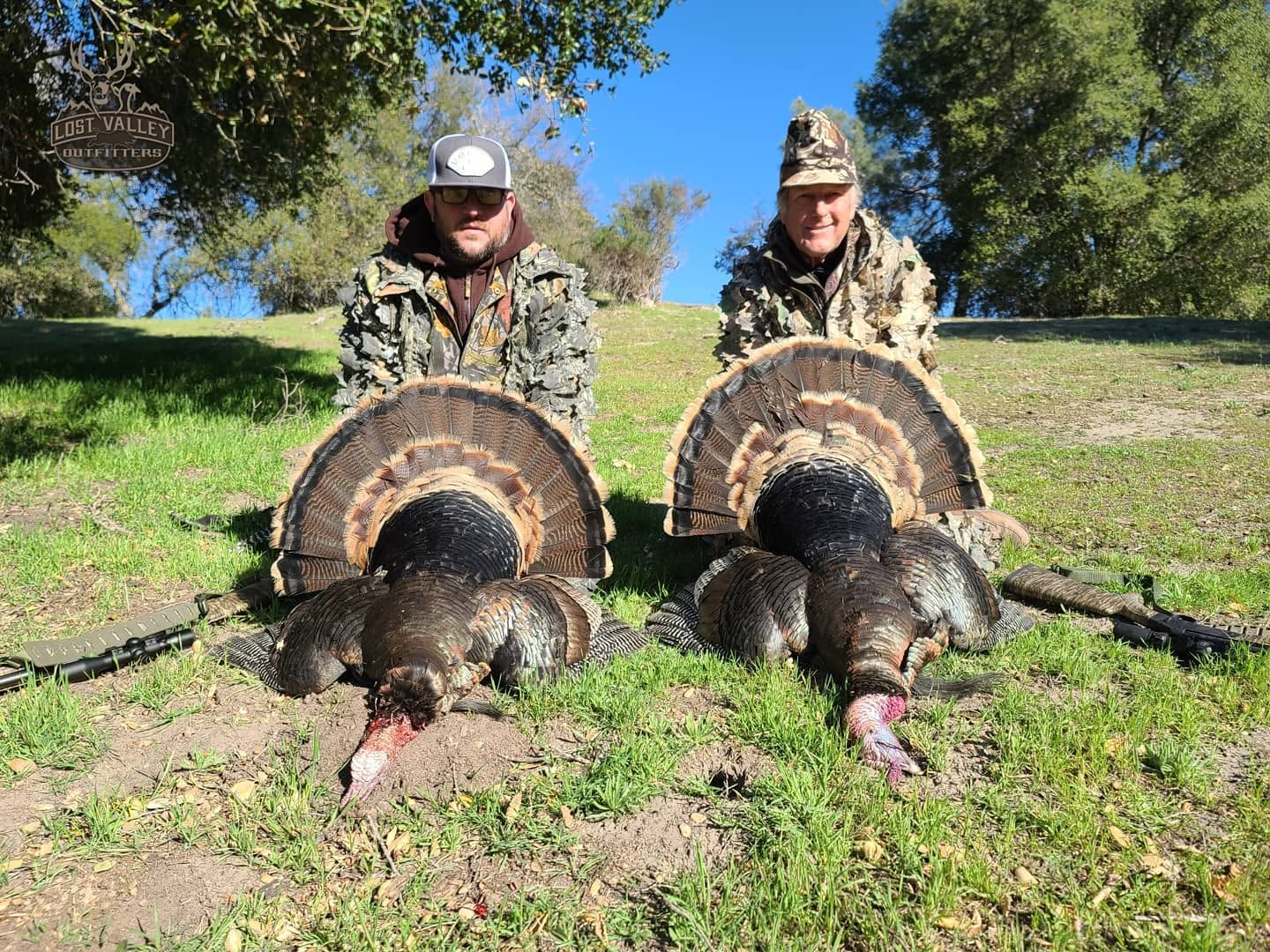
Turkey hunting is one of the most interesting ways to understand the practical role of decoys in North American hunting culture.
Unlike a simple static hunting setup, turkey hunting combines wildlife observation, calling techniques, concealment and carefully selected decoy placement. During the spring breeding season, hunters often use turkey calls to imitate the sounds of hens and attract responding gobblers. A properly positioned turkey decoy can help create a visual element that complements the calling strategy.
Lost Valley Outfitters' published Rio Grande turkey hunt information describes spring hunts focused on calling birds during their breeding activity. Its hunt details also explain that guides may begin near a roost with decoys set and calls ready. Later in the day, hunters may cover ground to locate birds and use either spot-and-stalk methods or additional decoy-and-calling setups, depending on field conditions.
This approach demonstrates that a decoy is not simply a decorative hunting accessory. Its shape, posture, color, placement and relationship to the surrounding terrain can all contribute to a convincing hunting setup.
For turkey hunters, decoys may include hen, jake and tom configurations. Different postures can represent different social situations, while the arrangement of one or more decoys can be adjusted according to the behavior of birds in the area.
The combination of decoys and calls is a long-standing part of turkey hunting tradition. It requires patience, observation and an understanding of animal behavior.
Decoy culture has a long history in North American hunting. Early wooden decoys were handcrafted to imitate waterfowl and other game birds. Over time, manufacturers introduced molded plastic, lightweight composite materials, EVA products and increasingly realistic body shapes and paint finishes.
Today, decoys are an important category of hunting equipment across several disciplines.
In turkey hunting, realistic turkey decoys help create visual scenarios that complement calling and concealment. In waterfowl hunting, floating duck decoys, full-body goose decoys, silhouettes and motion decoys help hunters create the appearance of natural bird activity.
Although Lost Valley Outfitters' core business is not dedicated duck or goose hunting, its turkey and upland bird programs provide a relevant context for understanding the broader role of decoys in guided hunting.
For manufacturers and outdoor equipment suppliers, this distinction matters. Turkey decoys, duck decoys and goose decoys serve different hunting purposes and should be developed according to the needs of the relevant species and hunting environment.
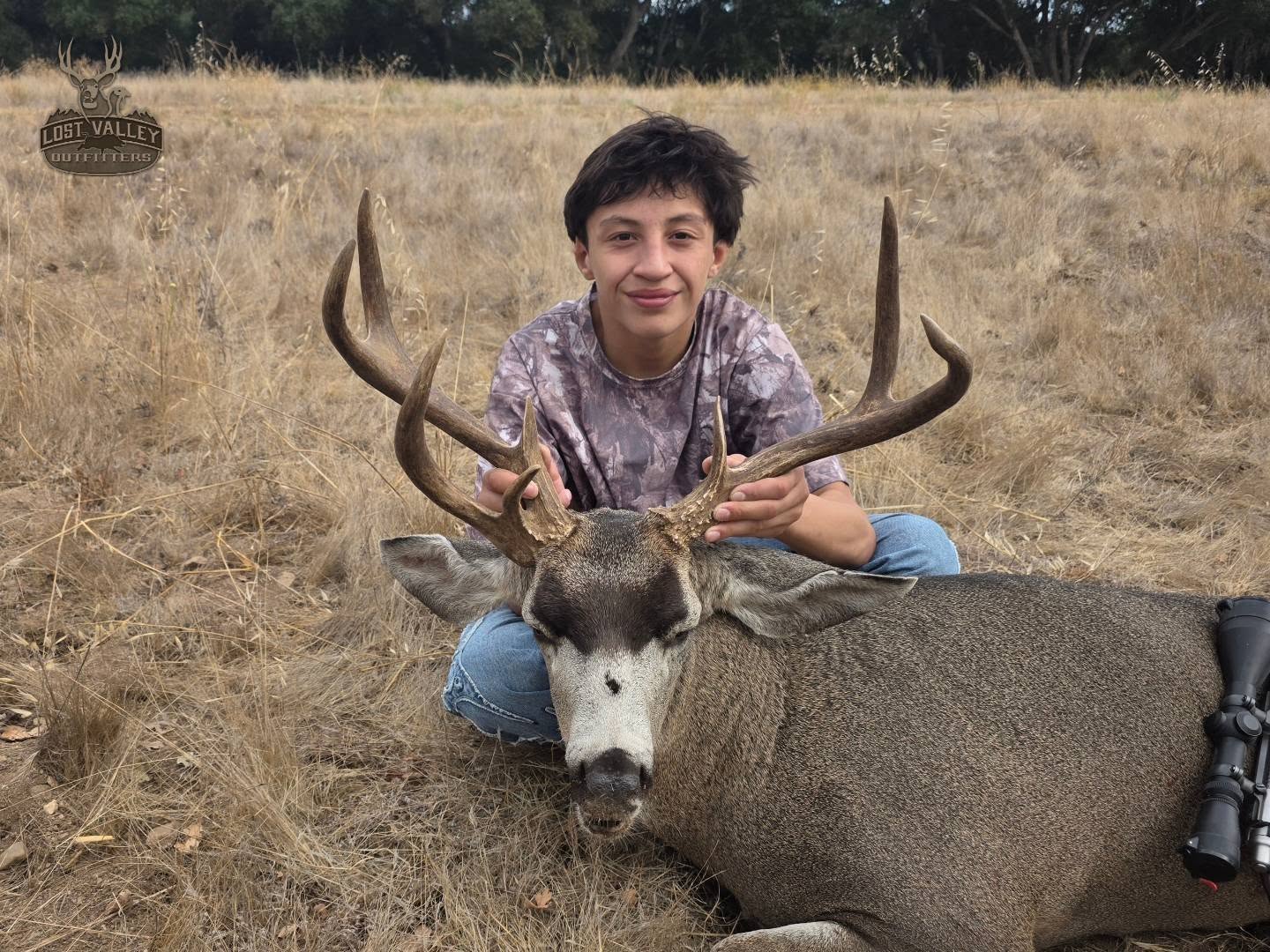
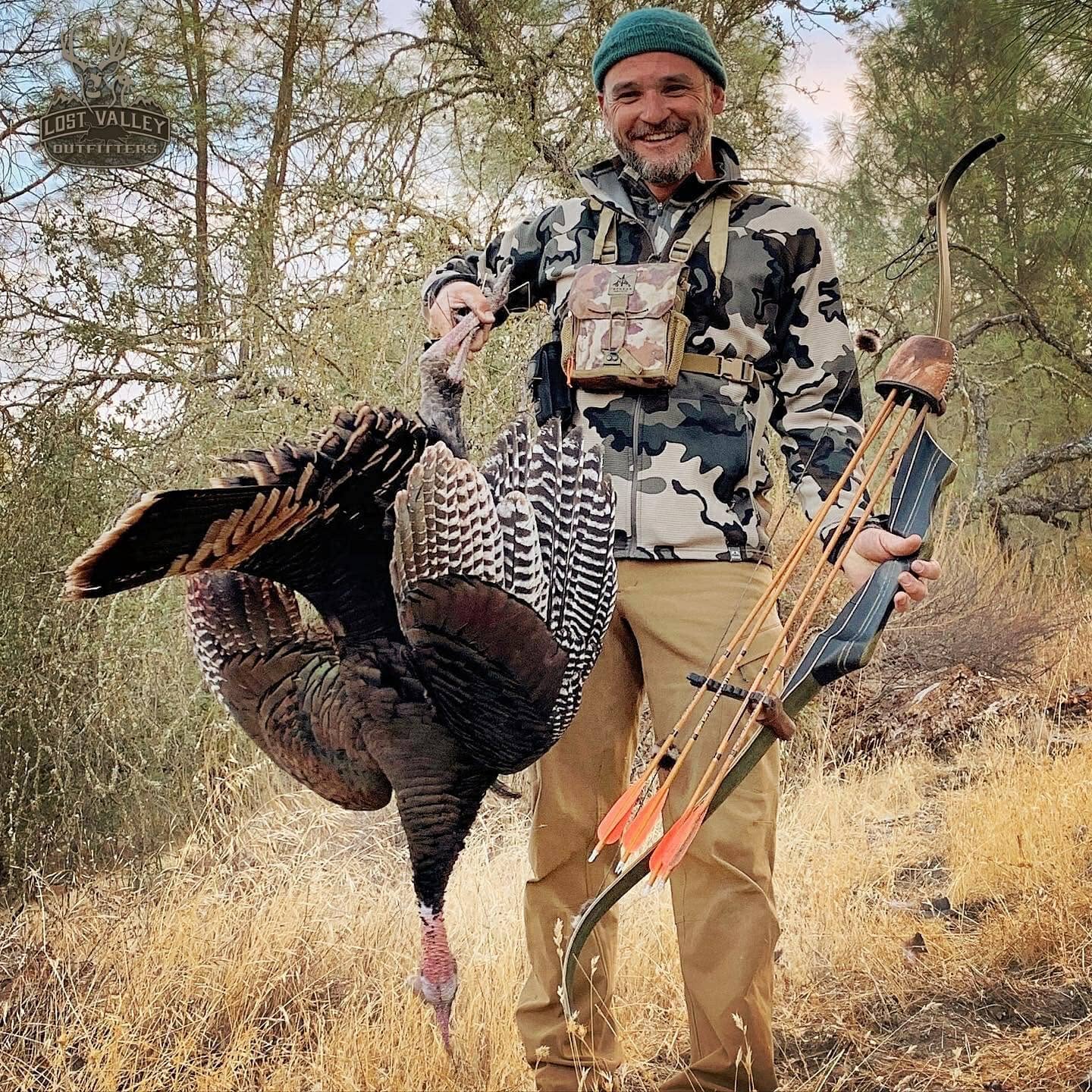
Lost Valley Outfitters also offers upland game bird hunts across its managed properties. These hunts may include dove and quail opportunities, with terrain ranging from oak-covered hills and valley floors to brushy areas and thicker hillside cover.
The outfitter describes these programs as accessible to hunters from beginner to advanced levels. Published information outlines transportation to and from hunting areas, snacks and drinks in the field, and hunting opportunities from daybreak until limits are reached or daylight fades, subject to the selected arrangement and applicable regulations.
Upland hunting has its own distinctive equipment traditions. Shotguns, field vests, suitable footwear, protective clothing and trained hunting dogs are familiar elements of the experience. For hunters who also enjoy waterfowl hunting, upland bird trips offer a different way to explore the relationship between habitat, wildlife and field skills.
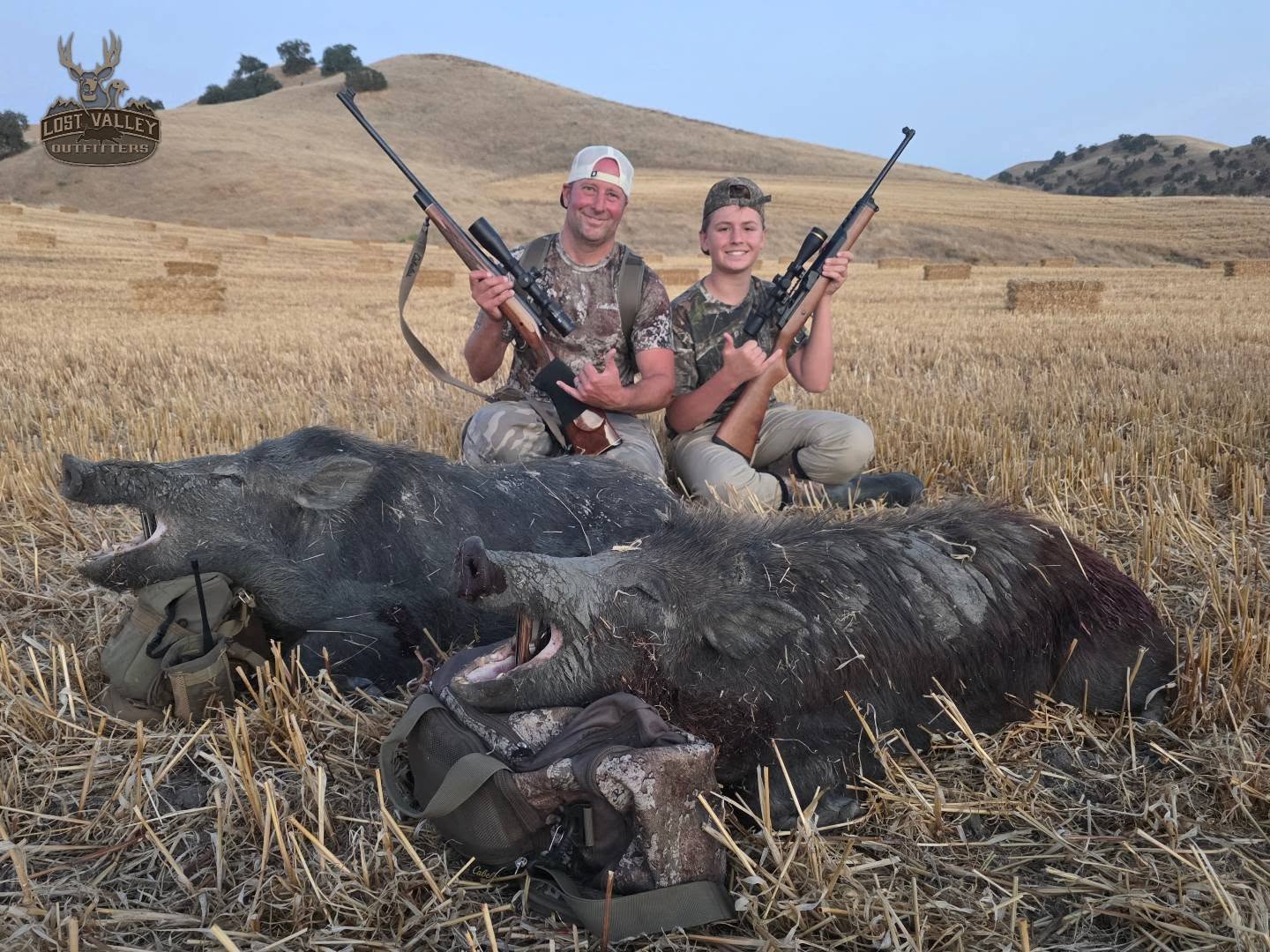
One of Lost Valley Outfitters' defining features is its access to more than 40,000 acres of private hunting leases across California's Central Coast.
The landscape includes oak hills, barley fields, brush country, timber, valleys and canyons. This variety supports different hunting strategies and allows guides to adapt their approach to the target species and conditions.
The company identifies owner and operator Casey Nick as a central part of the guiding operation. Its public profile describes his year-round involvement in guiding and scouting, reflecting the importance of local knowledge and preparation in a professional outfitting service.
A successful hunting trip depends on much more than reaching the field. Preparation, transportation, field support and post-hunt services all contribute to the overall experience.
Lost Valley Outfitters lists in-field transportation, field dressing, trophy care, in-house meat processing and skullworks among its services. Snacks and water are also included in the published guest information. Meals and lodging may be available as additional services on selected hunts, and non-hunter ride-along options are also described. Exact inclusions vary by hunt and should be confirmed before booking.
The outfitter also emphasizes the value of spending time outdoors with family and friends. Its Central Coast location offers opportunities to combine a hunting trip with visits to nearby wineries, beaches and small towns, creating a broader outdoor travel experience.
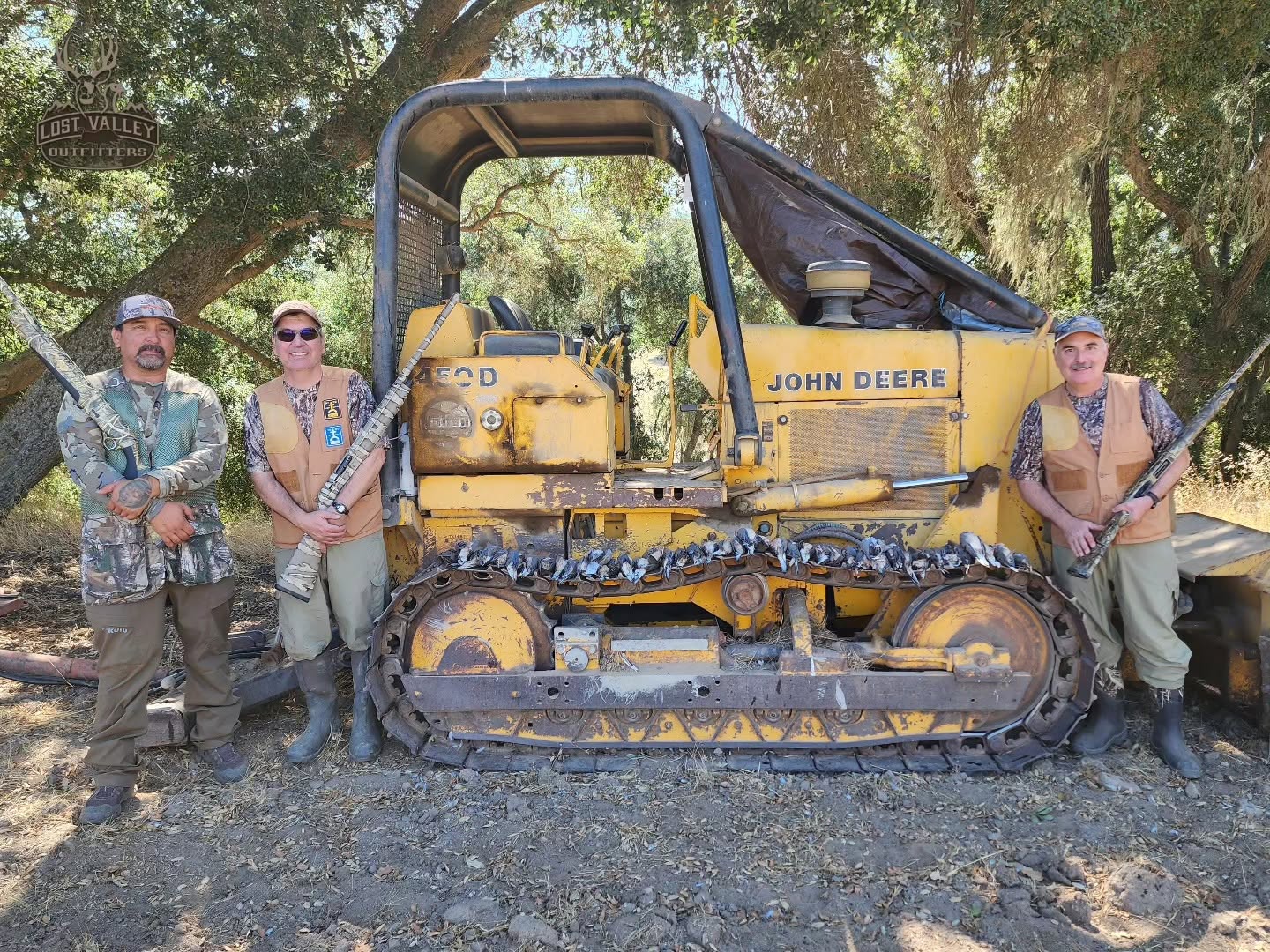
For the hunting industry, Lost Valley Outfitters represents an example of how professional guiding services connect hunters with practical field equipment and regional hunting traditions.
Its turkey hunting program offers a direct connection to turkey decoys and calling equipment. Its upland bird activities highlight the importance of field-ready gear, while the wider North American hunting market continues to support demand for realistic duck and goose decoys.
For decoy manufacturers, this creates several potential product-development directions:
Realistic turkey hen and tom decoys for spring and fall turkey hunting.
Lightweight, durable molded decoys for convenient transport.
Natural body posture, realistic paint finishes and weather-resistant materials.
Duck and goose decoy ranges for customers who participate in multiple hunting disciplines.
OEM and ODM development for hunting outfitters, retailers and outdoor equipment brands.
A successful decoy is the result of careful design, material selection and an understanding of how hunters use equipment in the field. Its value is measured not only by appearance, but also by durability, portability, ease of setup and suitability for real hunting conditions.
Lost Valley Outfitters reflects the spirit of California's Central Coast hunting tradition: diverse landscapes, professional guiding, practical field knowledge and memorable experiences shared outdoors.
Lost Valley Outfitters — More than a hunt, a complete Central Coast outdoor experience.
Official Website: https://lostvalleyoutfitters.com/
Email: hunts@lostvalleyoutfitters.com
Phone: +1 805-674-1010
Owner & Operator: Casey Nick
Location: Paso Robles / California Central Coast, USA


