Views: 0 Author: Site Editor Publish Time: 2026-09-26 Origin: Site


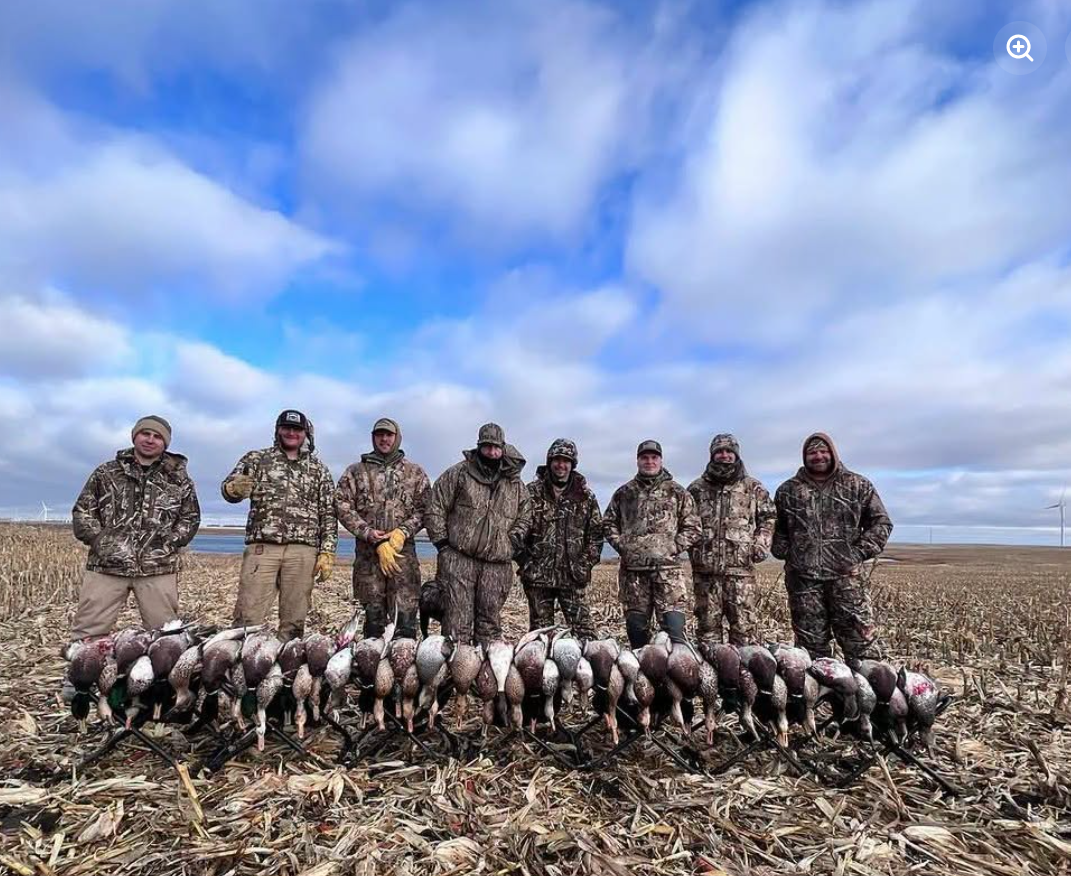
Across the North American waterfowl migration, few hunting destinations combine prairie wetlands, agricultural fields, seasonal migration and traditional waterfowl culture as strongly as the northern Great Plains and the Mississippi Flyway region. Dirty Bird Outfitters has developed its guided waterfowl operation around this migration pattern, connecting hunting opportunities in North Dakota, South Dakota and Arkansas.
The outfitter’s official website describes a business built around following the migration, with North Dakota hunts covering ducks, geese, divers and Tundra Swans, while Arkansas provides a major spring Snow Goose destination. Its owner-operator, Matthew Piehl, was born and raised in North Dakota, while lead guide Nick Marcyes describes following waterfowl from northern prairie Canada-border country down to Arkansas and back north again.
This migration-focused philosophy creates a natural connection between Waterfowl Hunting, Scouting, Duck Decoys, Goose Decoys and Decoy Culture.
For modern hunters, a successful hunt is not simply a matter of finding birds. It involves understanding migration timing, feeding patterns, roost locations, weather, wind, agricultural fields, wetlands, concealment and the visual language created by a carefully designed Duck Decoy Spread or Goose Decoy Spread.
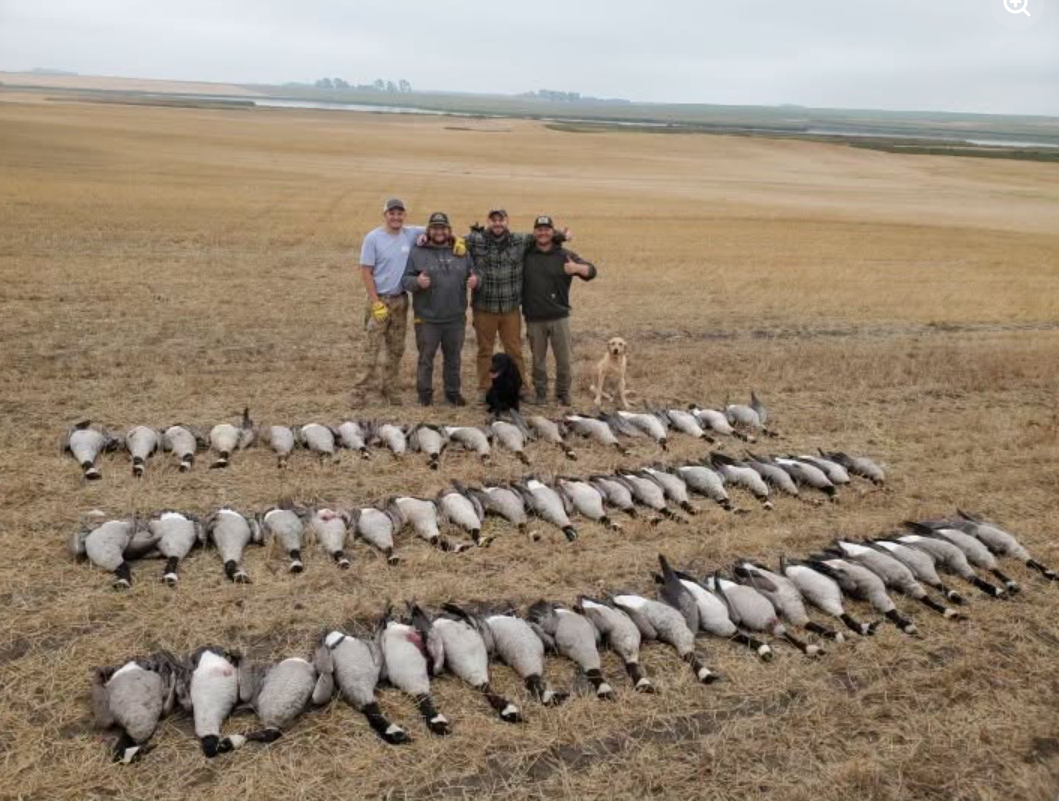
Dirty Bird Outfitters operates across several important waterfowl regions.
North Dakota represents the northern prairie portion of the operation. The official site highlights fall and spring opportunities for Duck & Goose Combo Hunts, Tundra Swan Hunts, Giant Canada Goose Hunts and Snow Goose Hunts. Hunting environments can include agricultural fields, wetlands, potholes and larger bodies of water, depending on bird movement and the type of hunt.
The outfitter's North Dakota operation emphasizes the prairie pothole landscape and field hunting. Mallards, Pintails, Teal, Canada Geese and Snow Geese are among the waterfowl associated with the hunting program. Third-party hunting information also describes field hunts using wheat, barley, corn and peas, with full-body and silhouette decoys positioned around feeding areas.
Arkansas provides a very different environment.
During the spring migration, Dirty Bird Outfitters operates Snow Goose hunts in the Arkansas Grand Prairie. The region's agricultural landscape, including rice, winter wheat and soybean production, provides important feeding habitat for migrating and wintering geese.
This creates a distinctive seasonal cycle:
North Dakota → South Dakota → Arkansas → Northward Migration
The operation's own description emphasizes following the migration rather than remaining tied to a single hunting location.
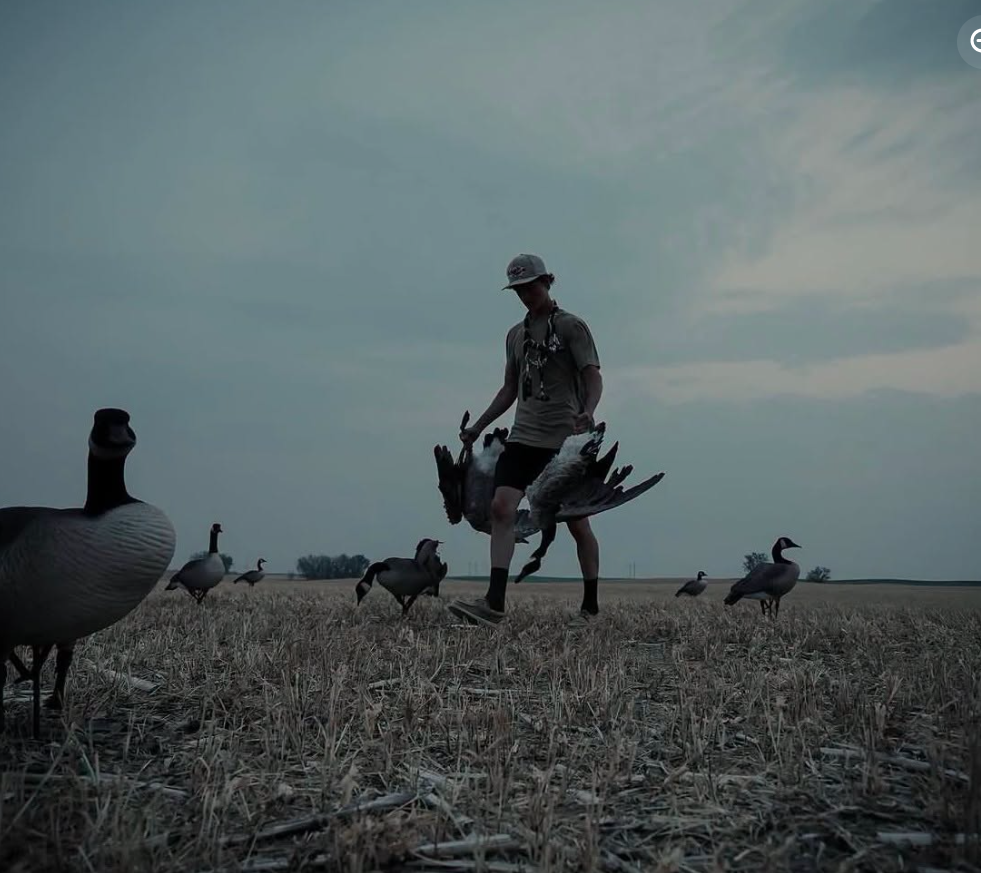
The most important word in modern guided waterfowl hunting may be Scouting.
Birds constantly change their behavior according to food availability, weather, hunting pressure, water conditions and migration timing. A field that held hundreds of geese one day may not be productive the next.
Dirty Bird Outfitters specifically highlights preseason scouting, locating roosts, identifying flight patterns and continuously preparing hunting properties.
This philosophy is especially important in North Dakota's agricultural landscape.
Professional guides may examine:
· where birds are roosting;
· where they are feeding;
· which fields were recently harvested;
· how wind affects bird approach;
· where natural cover can hide hunters;
· where decoys can be seen most naturally from the air.
The result is a hunting strategy based on bird behavior rather than a fixed blind location.
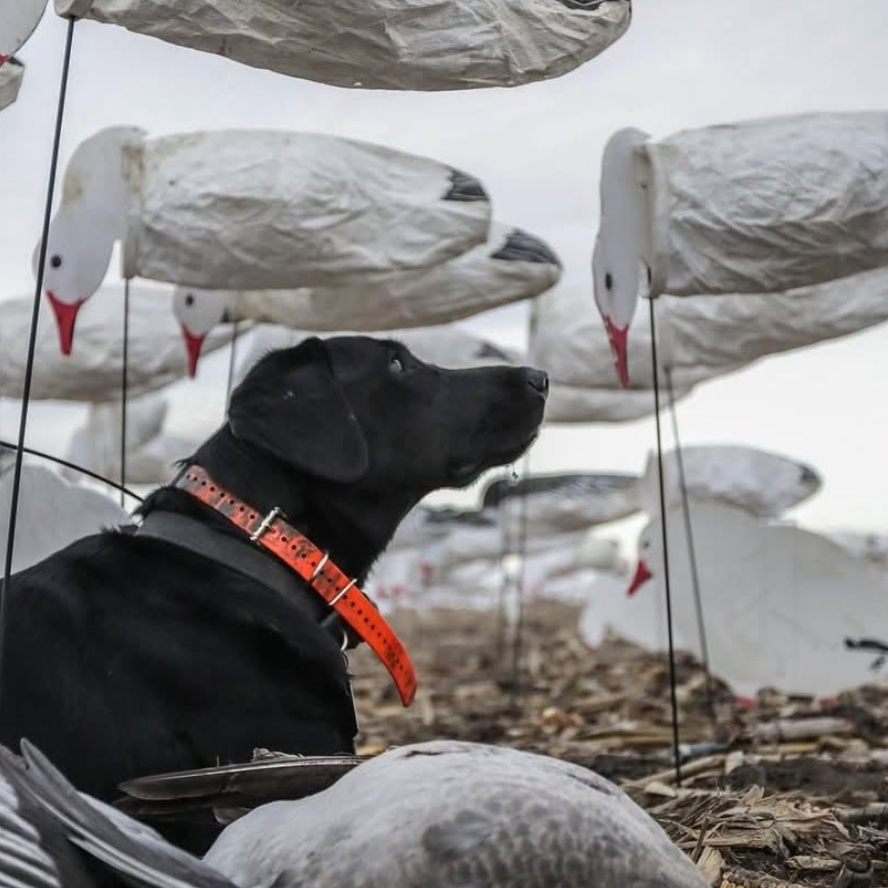
For generations, waterfowl hunters have used decoys to create a visual representation of a natural flock.
Today, Decoy Culture has evolved into a combination of traditional hunting heritage and modern outdoor equipment technology.
A modern Realistic Duck Decoy is designed to reproduce the body shape, posture, color pattern and visual profile of a real duck. Goose decoys perform a similar function for Canada Geese, Specklebellies and Snow Geese.
For a professional outfitter, decoys also need to survive repeated field use.
They are transported, loaded, unloaded, placed in mud, snow and water, recovered after hunts and stored until the next migration. Consequently, modern professional hunters increasingly value:
Realism + Durability + Lightweight Construction + Easy Transportation + Efficient Deployment
This is why categories such as EVA Duck Decoys, Plastic Duck Decoys, Lightweight Duck Decoys and Durable Waterfowl Decoys have become important in the hunting-equipment industry.
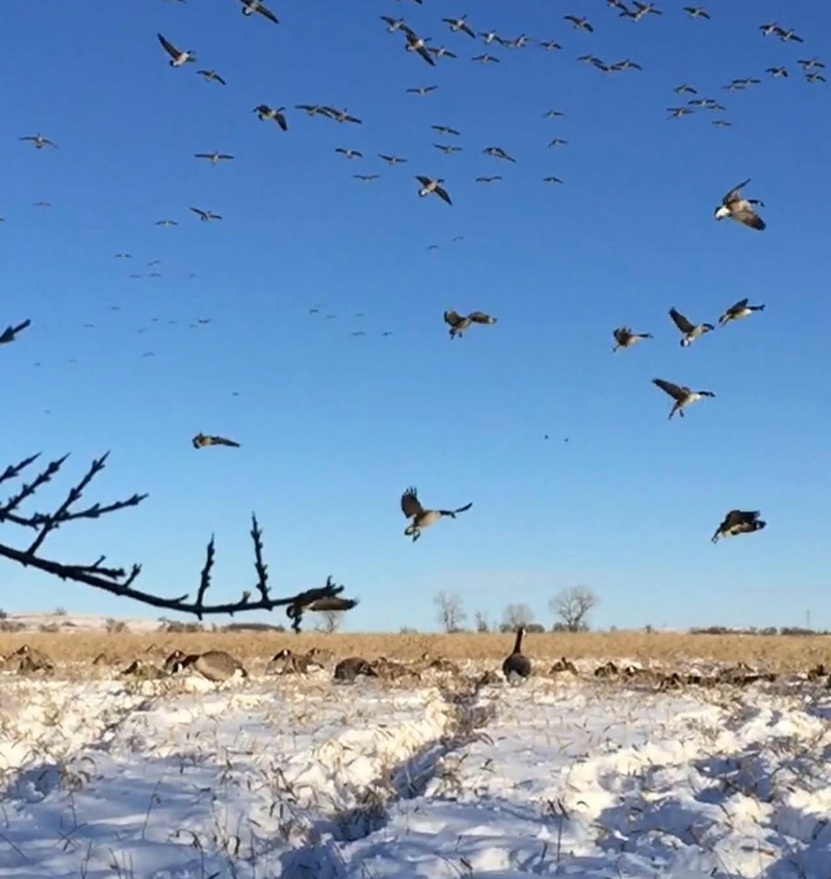
North Dakota is strongly associated with prairie waterfowl hunting.
Its potholes, wetlands and agricultural fields provide a constantly changing hunting environment. Mallards, Pintails, Teal and other dabbling ducks can use these habitats at different points during migration. Dirty Bird Outfitters' North Dakota program specifically promotes duck and goose combination hunts and describes hunting in harvested agricultural fields, flooded crops, potholes and sloughs.
For hunters pursuing Mallards, Mallard Duck Decoys become an important component of the visual spread.
A good Mallard spread should not simply contain large numbers of decoys. The arrangement should appear believable from the perspective of approaching birds.
This is where Duck Decoy Spread Strategy becomes part of the hunting culture.
The shape of the spread, spacing between groups, landing zone, blind location and wind direction all work together.
A field spread can create the appearance of feeding ducks.
A water spread can suggest resting or loafing birds.
A mixed spread can represent several groups using the same habitat.
The decoys become a visual story.
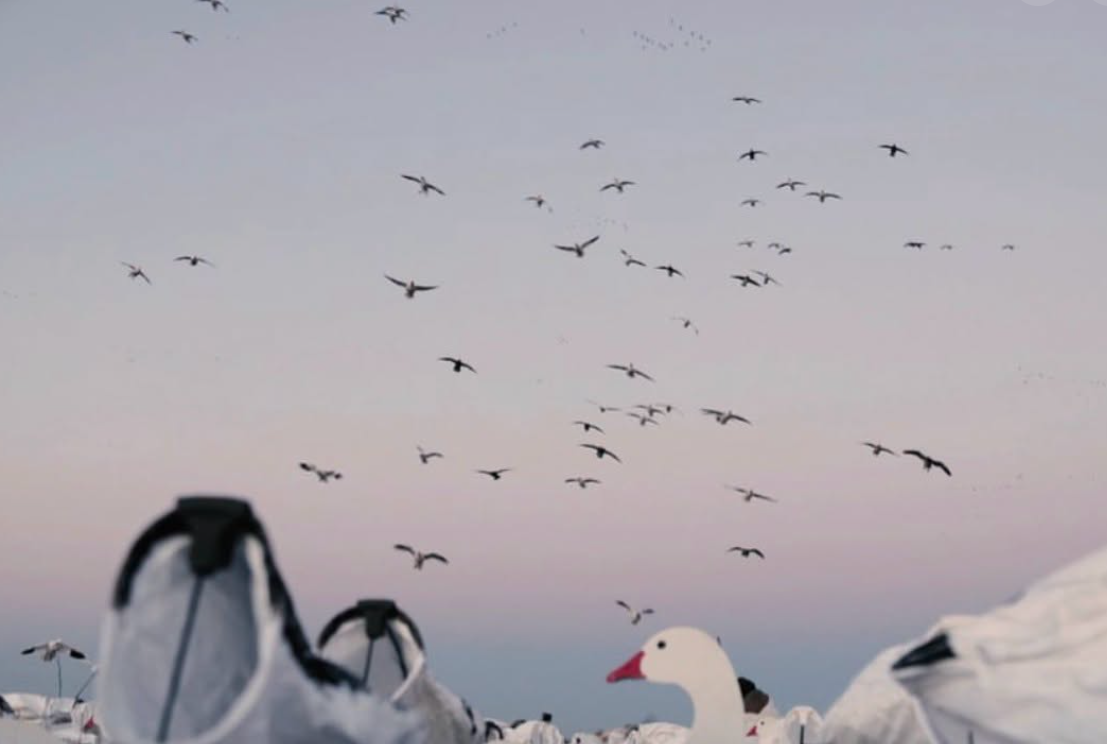
Goose hunting requires another level of visual realism.
Dirty Bird Outfitters' North Dakota operation includes Giant Canada Goose hunting, while Snow Goose hunting forms another important part of both North Dakota and Arkansas programs.
For large Canada Goose hunts, Full Body Goose Decoys can provide strong three-dimensional profiles in agricultural fields.
For Snow Goose hunting, large spreads can become even more important.
A published account of Dirty Bird Outfitters' Arkansas spring Snow Goose operation described a spread containing more than 1,500 premium Avian-X and windsock decoys, along with rotary and flyer motion systems and electronic callers. The same source emphasizes the significant scouting and equipment requirements involved in managing a large Snow Goose spread.
This is an excellent example of how modern Decoy Culture has evolved.
A modern goose spread may involve:
Full Body Goose Decoys + Windsock Decoys + Motion Decoys + Flyers + Calling + Blind Concealment + Scouting
The objective is to reproduce the visual and behavioral environment of a real flock.
Arkansas is especially important within Dirty Bird Outfitters' spring migration strategy.
The company's lead guide describes traveling south to Arkansas to hunt Specklebellies and Snow Geese, before eventually returning north.
Snow Goose hunting also creates special requirements for decoy design.
Snow Geese often travel in large groups, and hunters may need to create an expansive visual field capable of attracting birds from significant distances.
That makes Snow Goose Decoys, White Goose Decoys, Windsock Goose Decoys, Full Body Snow Goose Decoys and motion-based decoy systems important search categories within the modern waterfowl market.
For manufacturers, this also highlights the importance of:
· lightweight construction;
· realistic paint;
· strong attachment points;
· stackability;
· transportation efficiency;
· resistance to repeated outdoor use.
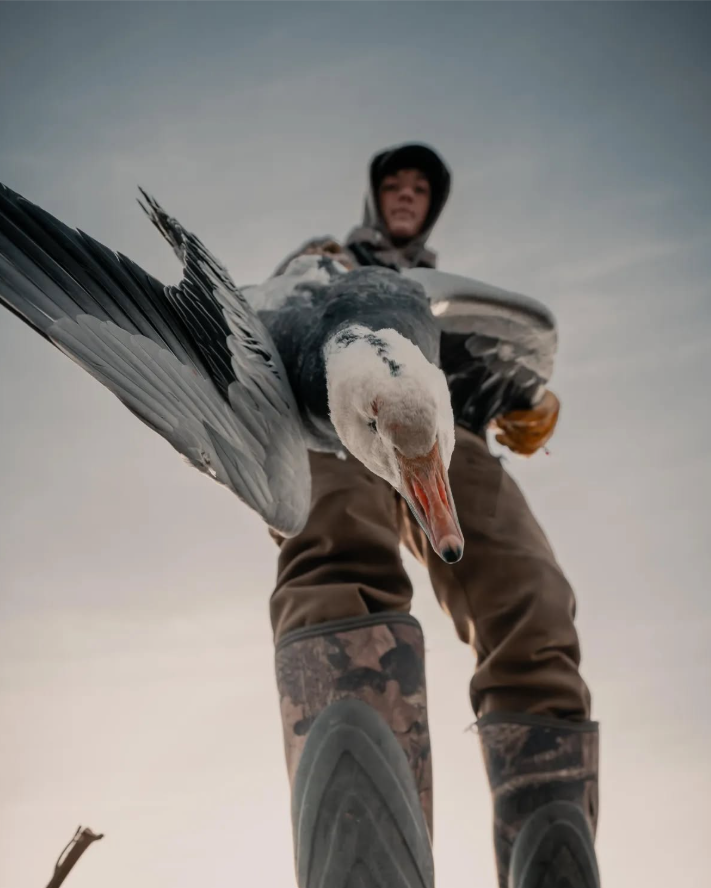
A Decoy Spread is not simply a pile of artificial birds.
It is an interpretation of natural behavior.
One particularly useful North Dakota example comes from Ducks Unlimited, which has published a grain-field setup involving Dirty Bird guide Joe Fladeland. The setup uses field structure, such as rock piles, to improve concealment and positions decoys so that birds cross in front of hunters rather than flying directly toward the blinds. The described configurations include two lines or a J-hook arrangement.
This illustrates a key principle of Decoy Culture:
The best spread is not necessarily the largest spread; it is the spread that makes sense for the birds, habitat, wind and hunting position.
Modern Duck Decoy Spreads therefore combine biology and fieldcraft.
The same philosophy applies to goose hunting.
A Canada Goose Decoy Spread can be arranged around feeding behavior.
A Specklebelly Goose Decoy Spread can use species-specific realism and spacing.
A Snow Goose Decoy Spread may require significantly larger numbers of decoys and additional motion.
The guide's job is to make all of these elements work together.
Concealment is another critical part of the system.
North Dakota field hunts may use layout blinds, panel blinds, natural cover and field-edge concealment. Dirty Bird Outfitters' hunting information emphasizes strong decoy spreads combined with strategically positioned blinds.
The relationship can be expressed simply:
Wind Direction → Bird Approach → Blind Position → Decoy Spread → Landing Zone
If one element changes, the others may need to change as well.
This is why professional guides invest significant time not only in purchasing equipment but also in maintaining and improving it. Dirty Bird Outfitters explicitly describes preseason scouting and the purchase and maintenance of waterfowl equipment as part of its operating approach.
The culture surrounding Dirty Bird Outfitters goes beyond equipment.
The company describes waterfowl hunting as a tradition passed through generations and emphasizes the relationships, camaraderie and memories created during a hunt.
That cultural dimension is important to the modern waterfowl industry.
Hunters do not simply purchase a decoy.
They purchase a tool that becomes part of a tradition.
A Mallard decoy may become part of a family hunting setup.
A well-used Canada Goose decoy may accompany a guide through multiple seasons.
A large Snow Goose spread may become a defining part of a group's annual migration tradition.
This is why Decoy Culture remains closely connected to the broader identity of North American waterfowl hunting.
The evolution of Dirty Bird Outfitters demonstrates the direction of modern waterfowl hunting: increasingly mobile, increasingly data-driven and increasingly dependent on specialized equipment.
At the same time, the fundamentals remain traditional:
Find the birds. Understand the habitat. Hide effectively. Build a realistic spread. Respect the migration.
For the decoy industry, this creates continued demand for:
Realistic Duck Decoys
Realistic Goose Decoys
Mallard Duck Decoys
Canada Goose Decoys
Specklebelly Goose Decoys
Snow Goose Decoys
Full Body Goose Decoys
EVA Duck Decoys
Plastic Duck Decoys
Lightweight Waterfowl Decoys
Durable Professional Duck Decoys
Dirty Bird Outfitters provides a particularly useful case study because its hunting calendar follows the migration from the northern prairie landscape to the Arkansas Grand Prairie and back north again.
In this environment, Decoys are not merely accessories. They are part of the communication system between hunter and migrating bird.
From the prairie potholes of North Dakota to the rice and soybean fields of Arkansas, the combination of Scouting, Habitat, Migration, Blind Placement, Calling and Realistic Decoy Spreads continues to shape the modern North American Waterfowl Hunting experience.