Views: 0 Author: Site Editor Publish Time: 2026-11-22 Origin: Site


In the heart of Missouri, waterfowl hunting represents far more than a seasonal outdoor activity. It is a tradition shaped by early mornings, changing migration patterns, the sounds of calling birds, and the anticipation of watching ducks and geese approach a carefully arranged decoy spread. For hunters who appreciate the heritage and excitement of the sport, Bustin’ Beaks Guide Service represents a name associated with Missouri waterfowl hunting and the lasting connections created in the field.
Founded in the fall of 2005 by Ryan Hutson and his brother, Bustin’ Beaks Guide Service grew from a shared passion for hunting and the outdoors. Its story reflects the spirit of a traditional American hunting guide service: bringing people together through waterfowl hunting, outdoor knowledge, and memorable experiences. The service was remembered by hunters from different parts of the United States, including repeat guests who returned season after season. This history reflects the personal relationships that have always been an important part of guided hunting.
Missouri occupies an important position in the Central Flyway, one of North America's major migratory bird routes. Its wetlands, agricultural landscapes, river systems, and seasonal water conditions create opportunities for hunters pursuing ducks and geese.
Waterfowl hunting requires much more than simply choosing a location and waiting for birds to arrive. Successful field preparation involves understanding migration movements, observing feeding patterns, identifying flight paths, and adapting hunting setups to changing weather and habitat conditions.
A well-prepared hunt is a combination of knowledge, patience, teamwork, and timing. Hunters must pay attention to wind direction, visibility, natural cover, and the behavior of incoming flocks. These details contribute to the experience and distinguish waterfowl hunting from many other outdoor pursuits.
The decoy is one of the most recognizable symbols of North American waterfowl hunting. Long before modern hunting equipment became available, hunters relied on handmade wooden decoys to imitate ducks and geese. These early decoys were practical hunting tools, but they also became expressions of craftsmanship, regional identity, and outdoor heritage.
Today, hunting decoys have developed into a specialized category of equipment. Modern waterfowl hunters can choose from floating duck decoys, full-body goose decoys, silhouette decoys, shell decoys, motion decoys, and other specialized products.
Each type serves a different purpose.
Floating duck decoys help create a natural-looking presence on the water. Full-body goose decoys provide realistic shapes and feeding or resting postures in agricultural fields. Silhouette and windsock decoys can help hunters build larger field spreads, while motion decoys introduce movement that may make a setup appear more natural.
The arrangement of a decoy spread is equally important. Rather than placing decoys randomly, experienced hunters consider wind direction, landing space, bird approach angles, water depth, and the natural behavior of different species.
The goal is to create a convincing scene that makes approaching birds feel comfortable. This combination of equipment, field knowledge, and careful placement is what makes decoy strategy an essential part of waterfowl hunting culture.
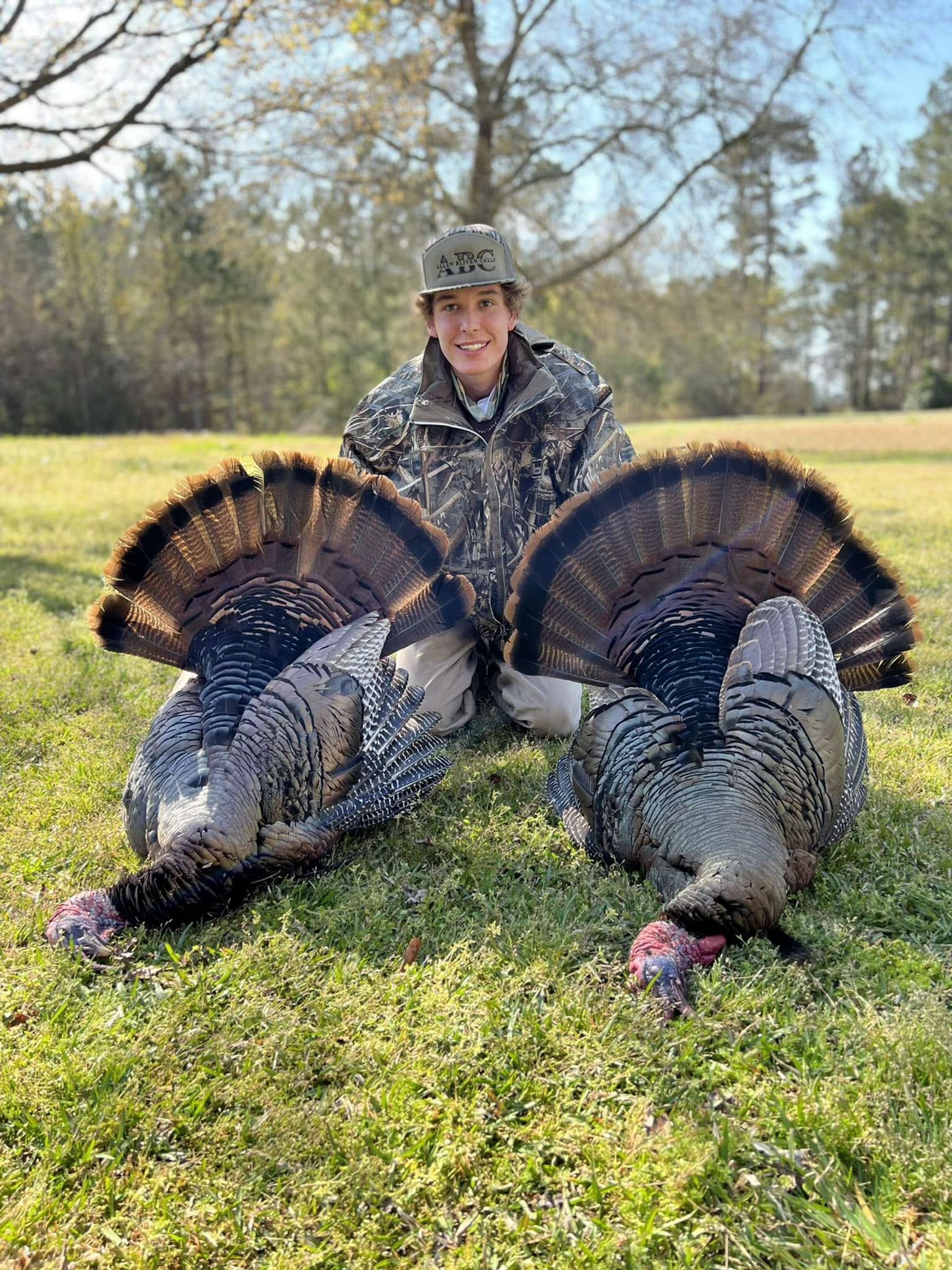
For many hunters, the best memories are not measured only by the number of birds harvested. They come from leaving home before sunrise, preparing equipment in the darkness, sharing stories in the blind, watching the first flights cross the horizon, and working together to retrieve birds.
Waterfowl hunting also connects generations. Experienced hunters pass down calling techniques, decoy placement methods, field safety practices, and respect for wildlife. New hunters learn that patience and preparation are just as important as equipment.
A responsible hunting tradition also requires respect for wildlife regulations, migratory bird seasons, licensing requirements, and conservation principles. Hunters should always follow applicable federal and state rules and use equipment in accordance with local regulations.
The North American waterfowl hunting market continues to be influenced by improvements in decoy realism, durability, portability, and functionality. Hunters increasingly look for products that can withstand repeated outdoor use while remaining easy to transport, deploy, and maintain.
Important product categories include:
Realistic floating duck decoys
Full-body Canada goose decoys
Snow goose field decoys
Specklebelly goose decoys
Motion and spinning-wing decoys
Lightweight silhouette and windsock decoys
Durable outdoor hunting accessories
For hunting guides and outfitters, dependable decoy equipment is an important part of preparing a field spread. Product selection may depend on the species being pursued, the hunting environment, the size of the group, transportation requirements, and seasonal conditions.
Bustin’ Beaks Guide Service's history provides a useful example of how guided hunting businesses are connected to the wider waterfowl industry. The outfitter, the hunter, the hunting dog, the call, the blind, and the decoy all contribute to a shared outdoor experience.
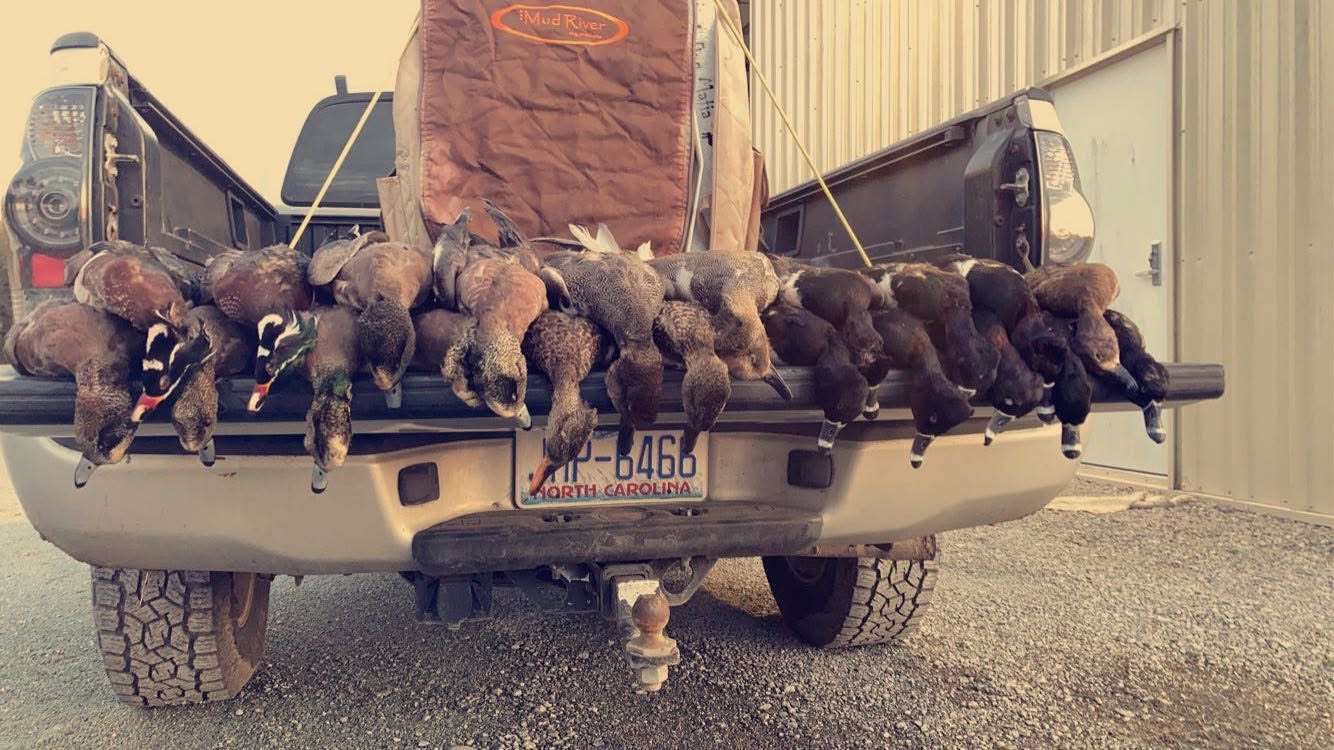
The story of Bustin’ Beaks Guide Service is also a reminder that hunting businesses are built through relationships. A guide service is not simply a provider of hunting opportunities; it can become part of a hunter's annual tradition and a place where friendships are formed.
From the first light of a Missouri morning to the final retrieval of the day, waterfowl hunting brings together outdoor skills, equipment knowledge, and a deep appreciation for nature.
The decoy remains at the center of this tradition: a carefully designed representation of wildlife that connects modern hunters with generations of waterfowl hunting history.
Bustin’ Beaks Guide Service — A Missouri Waterfowl Hunting Story Rooted in Passion, Tradition, and the Art of the Decoy.