
Views: 0 Author: Site Editor Publish Time: 2026-11-20 Origin: Site


In the heart of the Mississippi Flyway, Arkansas has long been recognized as one of North America's most celebrated waterfowl hunting destinations. Its flooded timber, agricultural fields, rivers, oxbow lakes and wetlands provide important habitats for migrating ducks and geese. Every hunting season, these landscapes welcome hunters who come to experience the excitement, heritage and camaraderie of traditional Southern waterfowling.
Bust-A-Duck Guide Service (B.A.D.), based in Gregory, Arkansas, has been delivering guided duck and goose hunting experiences since 1997. Founded and operated by Buster Cooper, the company has built its reputation around professional guiding, personalized service and a commitment to quality over quantity. With access to extensive hunting grounds, a dedicated guide team and comfortable lodge accommodations, B.A.D. brings together the essential elements of a memorable Arkansas waterfowl adventure.
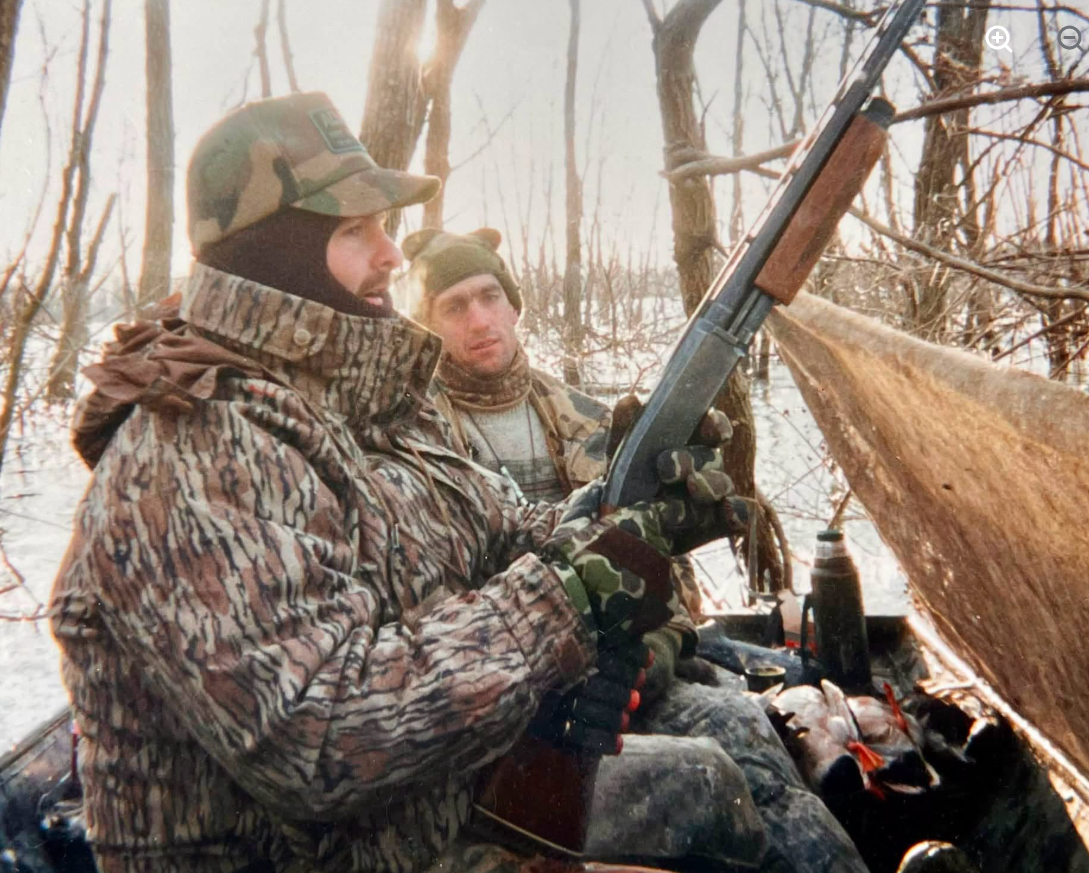
Arkansas holds a special place in American duck hunting culture. Located along the Mississippi Flyway, the state attracts migrating waterfowl during the fall and winter seasons. Mallards are among the most recognizable species, while pintails, green-winged teal, gadwalls, wigeons and northern shovelers add to the diversity of the region's waterfowl population.
The Cache River region and the surrounding Arkansas landscape are known for their flooded timber, agricultural fields and natural waterways. These varied environments create opportunities for different hunting styles, from flooded timber hunts beneath mature trees to field hunts over carefully arranged decoy spreads.
Bust-A-Duck Guide Service operates in the Gregory area and provides guided waterfowl hunts across diverse hunting environments. Its website highlights access to approximately 6,000 acres of hunting ground, while other company materials have described a broader land-access figure. The exact acreage can vary by season and property access, so the current published figure is best treated as the company's present reference.
The variety of habitats allows guides to adapt hunting plans to local conditions, bird movements and weather. Each outing is shaped by the natural environment, making local knowledge and preparation essential parts of the experience.
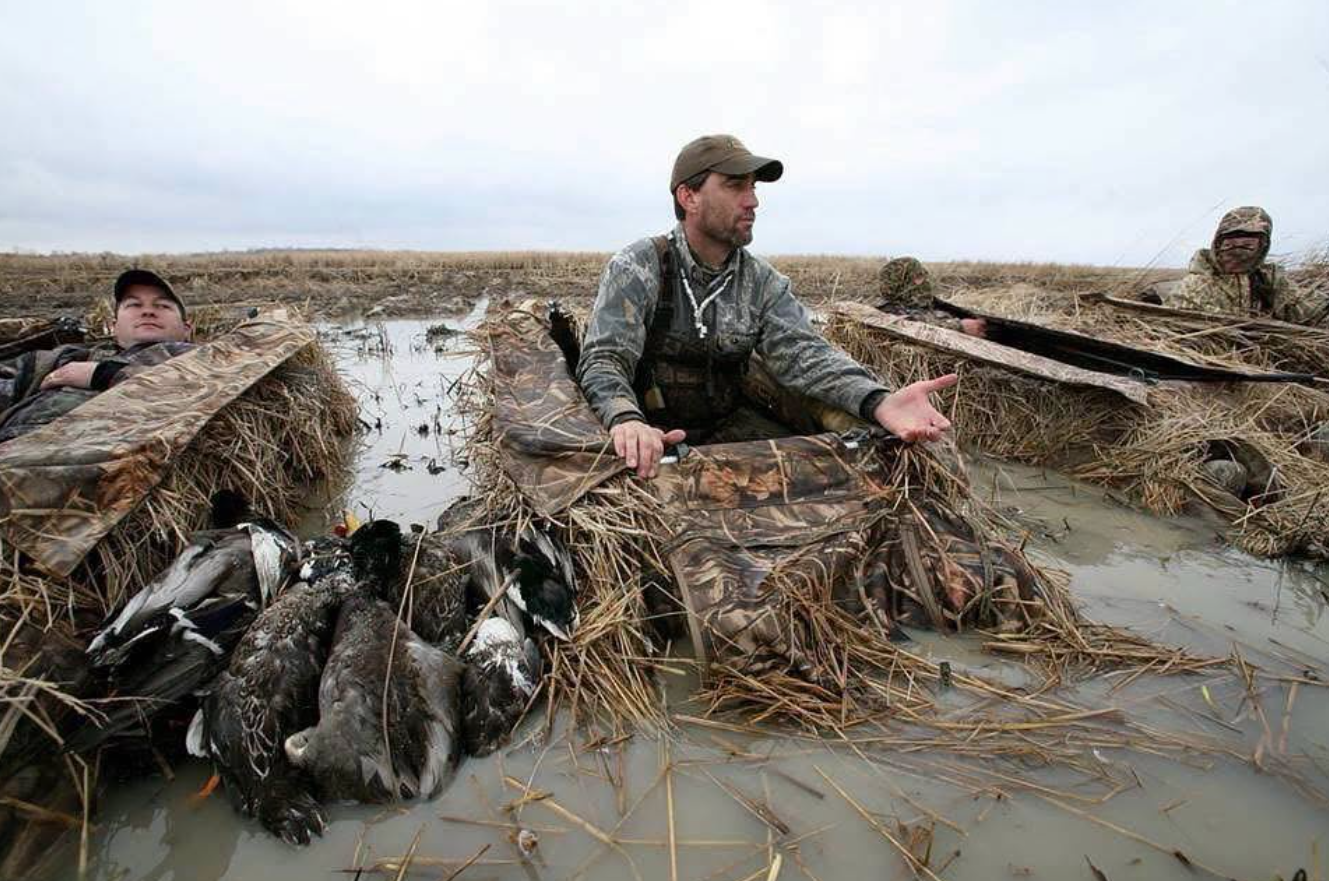
Arkansas waterfowl hunting is famous for its flooded timber tradition. Mallards move through wooded wetlands, landing among trees and feeding in shallow water. For hunters, the experience combines the sounds of the forest, the movement of birds overhead and the challenge of working within a natural timber environment.
Field hunting offers a different style of waterfowling. In agricultural areas, decoys and blinds are arranged to create a convincing feeding scene. Guides consider wind direction, bird movement, field conditions and the position of the hunters when preparing each setup.
Bust-A-Duck offers guided hunts targeting several duck species, including mallards, pintails, green-winged teal, gadwalls, wigeons and northern shovelers. Its hunting packages include guide services, transportation to and from blinds, meals and bird processing, according to the company's published package information.
The company also offers youth hunting packages, providing younger participants with an opportunity to experience guided waterfowl hunting in a supervised setting. This reflects the importance of passing outdoor knowledge and hunting traditions from one generation to the next.
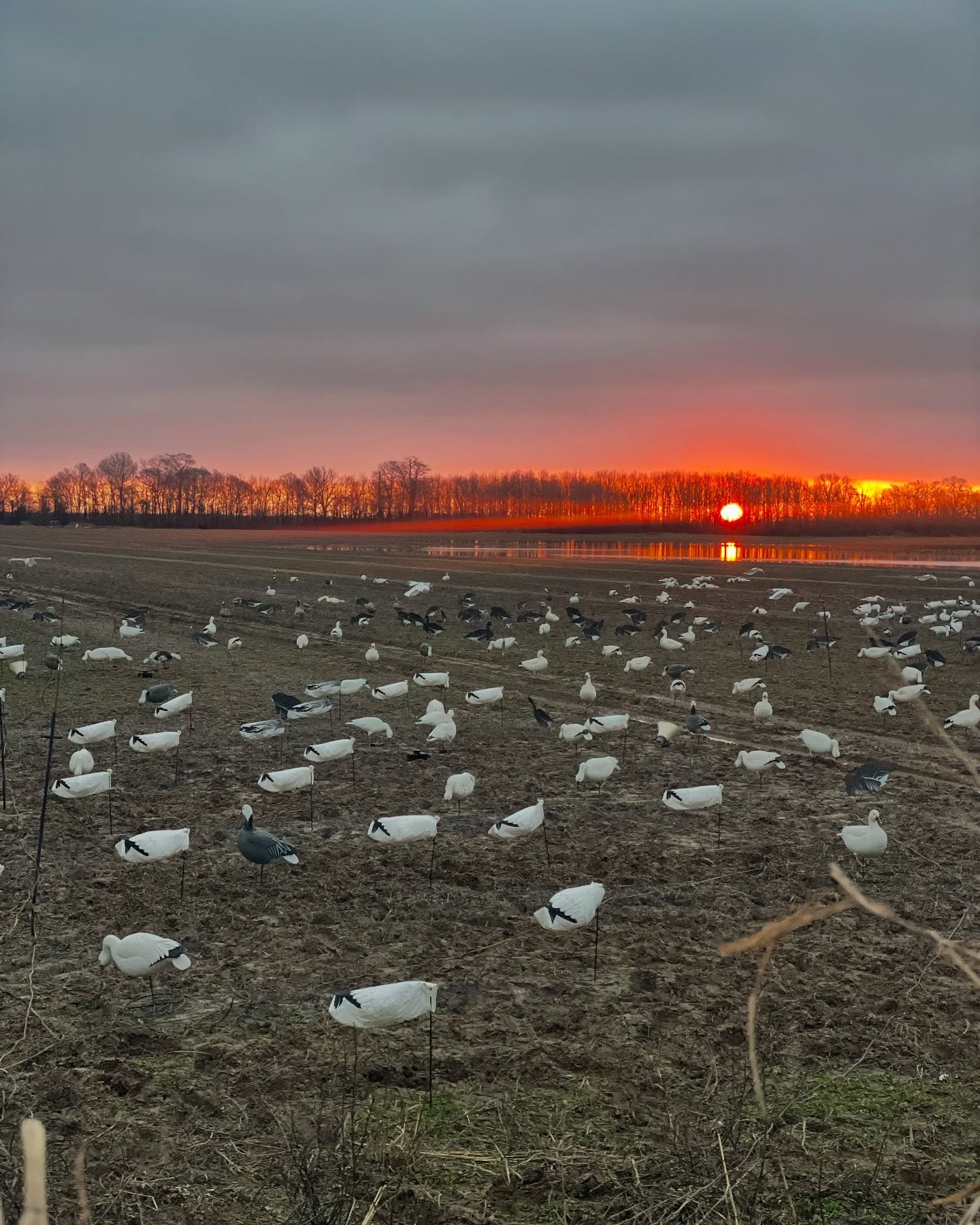
Goose hunting is another important part of the Bust-A-Duck experience. The company has described a dedicated permanent goose spread designed for hunting specklebellies and snow geese.
Its published 2025–2026 season information refers to a setup featuring approximately 5,000 decoys, together with Vortex machines, motion equipment and a heated blind. This large-scale arrangement demonstrates how specialized decoy systems can become a central feature of modern goose hunting.
A large goose spread is not simply a collection of decoys. It is a carefully planned visual environment designed around bird behavior, field conditions, wind direction and landing zones. The arrangement of decoys, the positioning of blinds and the use of calling equipment all contribute to the overall setup.
For experienced hunters, watching geese approach a large spread is one of the defining moments of a field hunt. The combination of calling, motion and realistic decoy profiles creates a distinctive waterfowl hunting atmosphere.
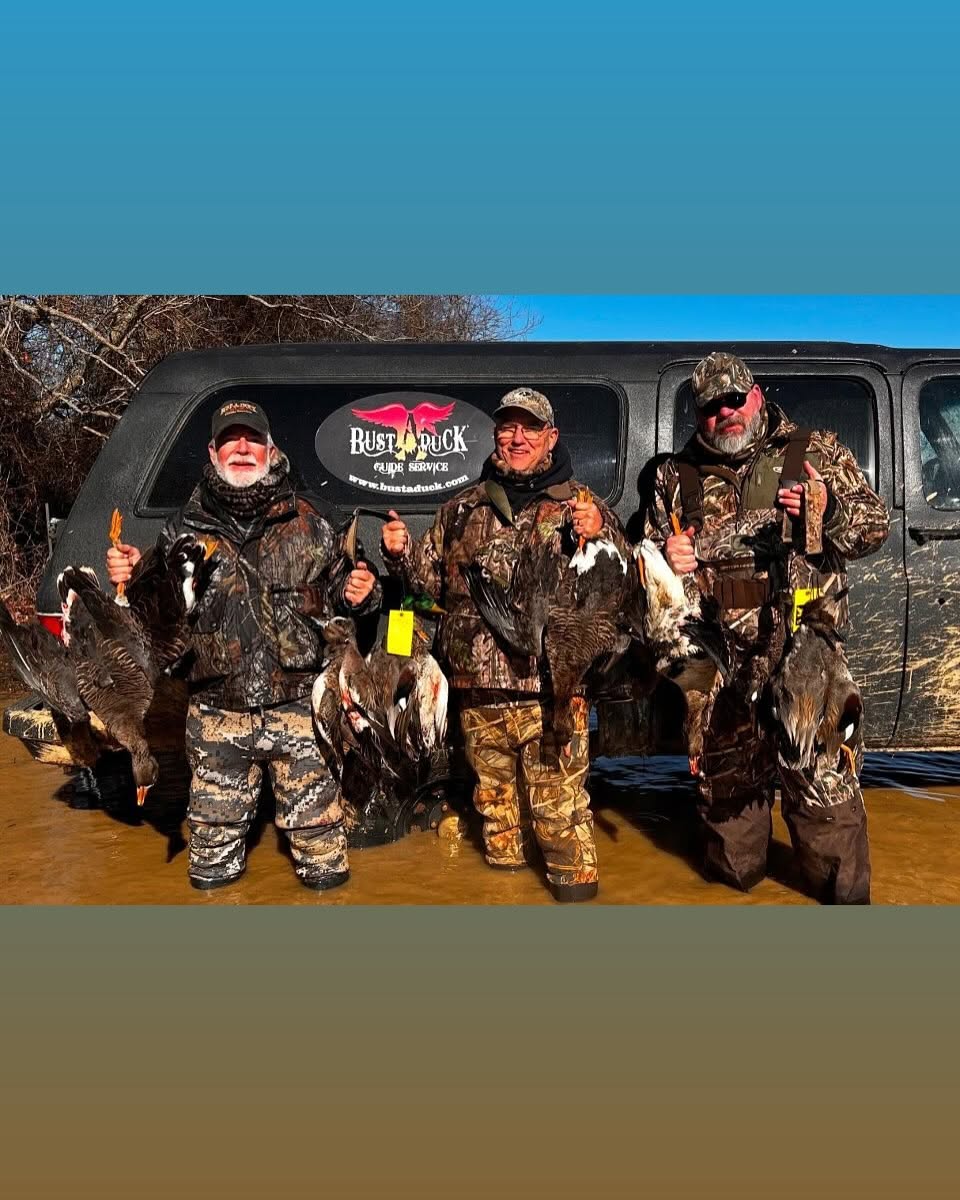
The hunting decoy is one of the most recognizable symbols of North American waterfowl hunting. Its history stretches back generations, when hunters carved wooden ducks and geese by hand to imitate wild birds and attract them within range.
Traditional wooden decoys were shaped by local craftsmanship, practical hunting needs and close observation of waterfowl. Over time, decoy carving became an important part of American folk art and outdoor heritage. Classic mallard, pintail and Canada goose decoys are now valued not only as hunting tools but also as collectible pieces of craftsmanship.
Modern waterfowl hunting has expanded the decoy industry into a wide range of products and technologies:
Floating duck decoys: Designed for ponds, wetlands and flooded timber environments.
Full-body goose decoys: Three-dimensional models used in agricultural field spreads.
Shell goose decoys: Lightweight designs that help hunters cover larger areas.
Sillosocks and silhouette decoys: Practical options for extensive field setups.
Motion decoys: Devices that introduce movement into a decoy spread.
Vortex motion systems: Equipment used to create additional visual activity within a goose spread.
Each type of decoy serves a different purpose. Floating duck decoys require suitable buoyancy and stability. Full-body goose models need realistic proportions, durable construction and weather-resistant finishes. Lightweight field decoys need to be easy to transport, deploy and retrieve.
For a professional outfitter such as Bust-A-Duck, decoy equipment is part of the daily operating system. Large spreads require efficient storage, transportation, setup and maintenance. Product durability and consistent performance are therefore important considerations.
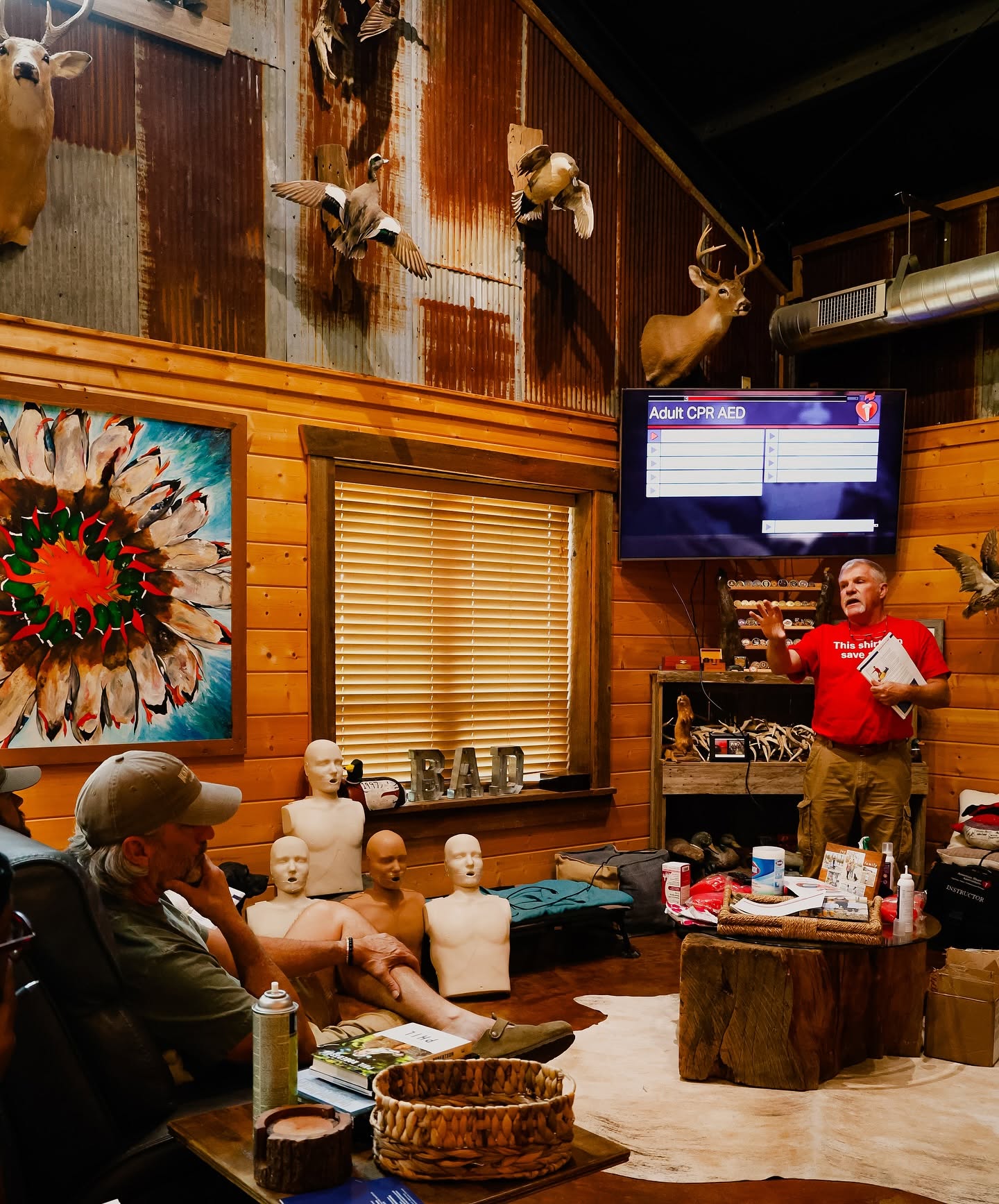
A guided hunting trip is about more than the hours spent in the field. The lodge, meals, conversations and shared experiences are all part of the wider waterfowl tradition.
Bust-A-Duck Lodge is designed to accommodate hunting groups with practical facilities for resting and preparing for the next hunt. The company describes a spacious lodge with bunk rooms, multiple bathrooms, a mudroom, individual gear lockers and kennels for hunting dogs.
The lodge also provides comfortable common areas where hunters can relax after an early morning in the field. The atmosphere reflects a familiar part of Southern hunting culture: sharing stories, discussing the day's action and preparing for another morning outdoors.
The company's package information includes meals, transportation to and from blinds and bird processing, allowing guests to focus on the hunting experience rather than the logistics of the trip.
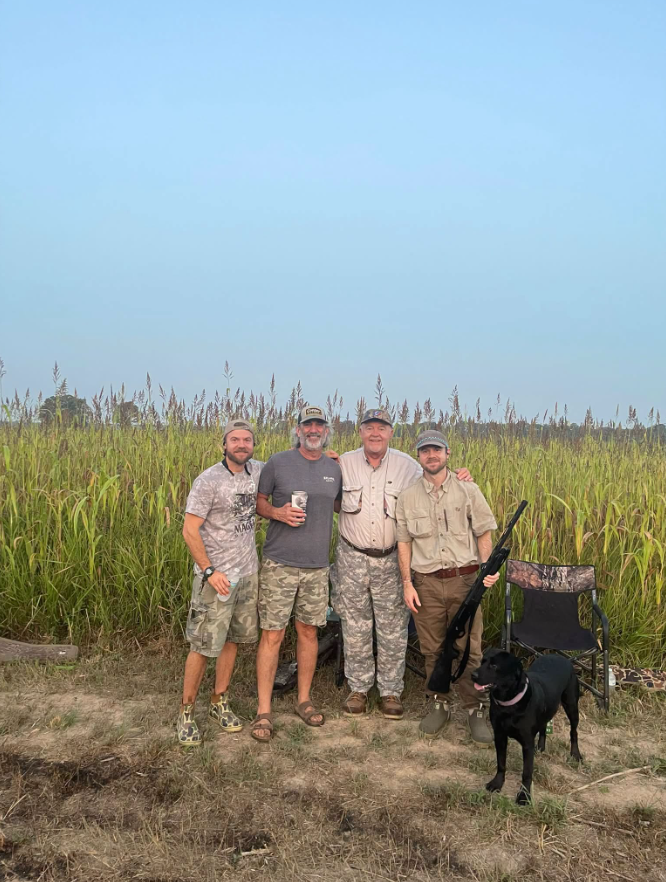
B.A.D. has built its identity around a simple philosophy: quality over quantity.
Rather than treating every trip as a high-volume operation, the company emphasizes personalized attention, guide experience and the relationships developed with returning hunters. Its owner, Buster Cooper, has continued to develop the business while maintaining the importance of a professional and welcoming hunting environment.
The company also operates a B.A.D. apparel and gear brand, extending its identity beyond the lodge and into the wider waterfowl community. Its products include hats, sweatshirts and other outdoor-themed merchandise, reflecting the lifestyle and culture of duck and goose hunters.
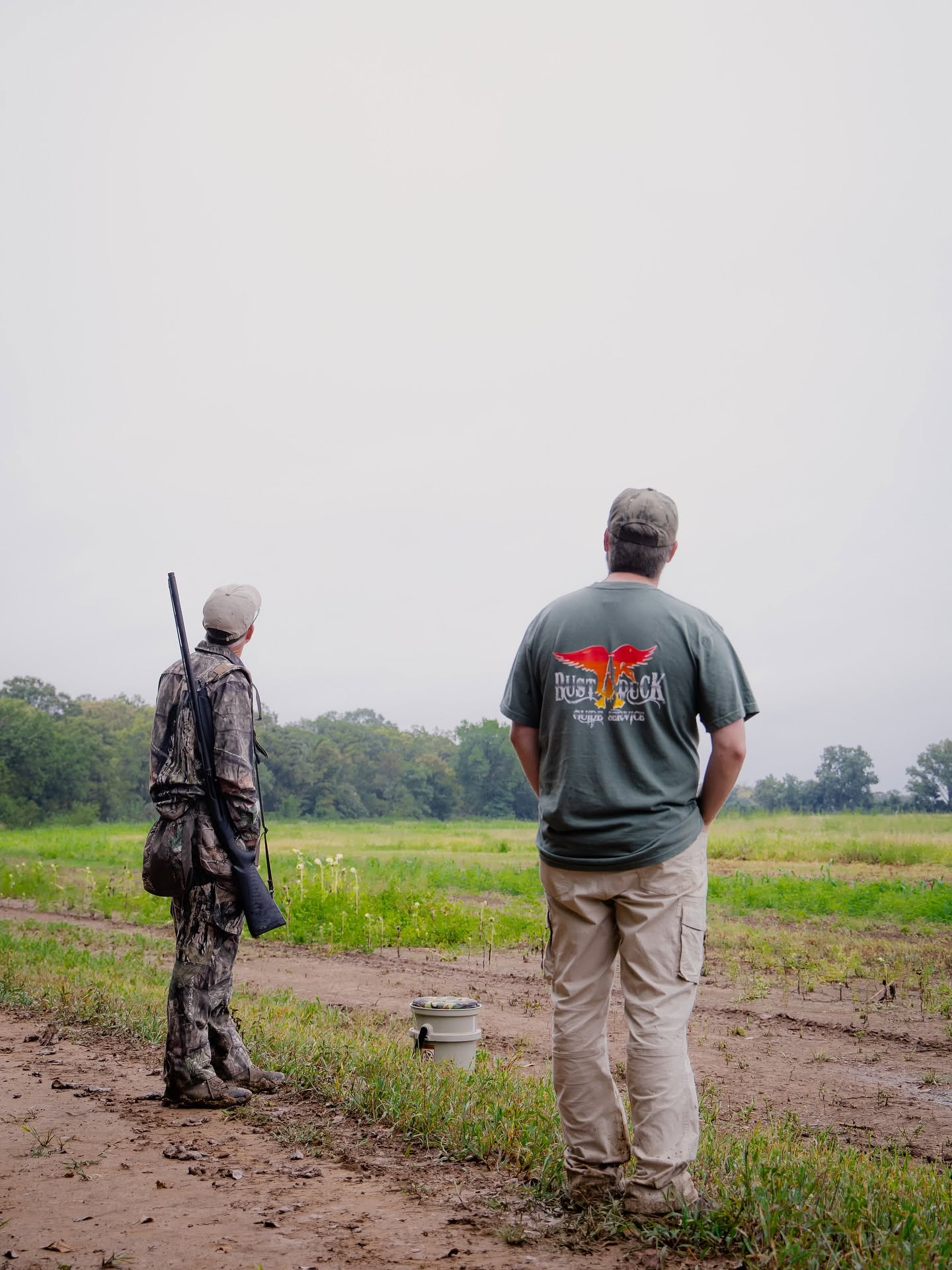
Bust-A-Duck Guide Service represents a long-standing tradition of Arkansas waterfowl hunting: flooded timber, migrating mallards, large goose decoy spreads, experienced guides and the friendships built around a shared passion for the outdoors.
For experienced hunters, the appeal lies in the challenge of reading bird movements, adapting to changing field conditions and working with carefully prepared decoy spreads. For new hunters and younger participants, a guided trip offers an introduction to the skills, equipment and traditions that define North American waterfowling.
From traditional wooden decoys to modern floating duck models, full-body goose decoys and large motion-assisted spreads, the decoy remains central to the sport's identity.
Bust-A-Duck Guide Service — Where Arkansas waterfowl heritage, professional guiding and the art of the decoy spread come together.


