Views: 0 Author: Site Editor Publish Time: 2026-05-18 Origin: Site


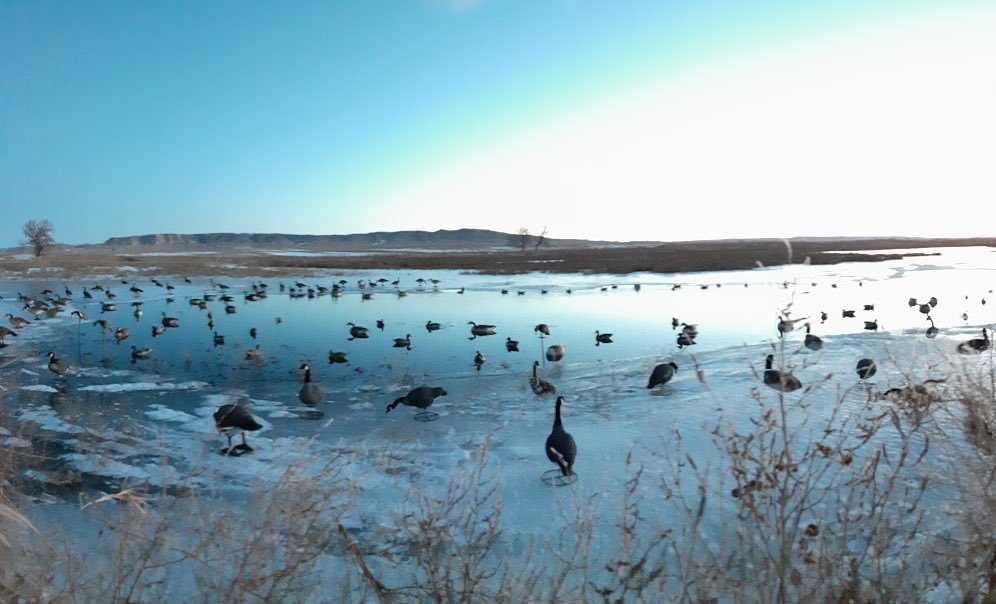
Where the high plains of Wyoming meet the fertile river valleys of Nebraska’s Panhandle, the vast expanse of the Central Flyway unfolds in all its raw, untamed glory. Here, WyoBraska Waterfowl has established itself as a premier outfitter for discerning hunters seeking an authentic, conservation-driven waterfowling experience. Strategically positioned between the North Platte River and the Laramie Mountains, WyoBraska operates in what Google Trends consistently ranks as a top-searched region for “best duck hunting states” and “guided duck hunts USA.”
Founded by wildlife biologist and lifelong waterfowler Dr. Arlo Finch, WyoBraska manages over 3,000 acres of private habitat spanning both states. This unique cross-border territory encompasses a mosaic of flooded cornfields, native moist-soil units, and spring-fed sloughs that lie directly beneath the flight paths of millions of migrating mallards, pintails, snow geese, and the iconic sandhill cranes whose annual migration is a spectacle of global significance.
But what truly sets WyoBraska apart is its profound integration of the prairie decoy tradition—not as a decorative novelty, but as a critical, functional art form born from necessity and honed by generations of plainsmen.
The Prairie Decoy: A Tool Forged by Necessity
In the open, windswept landscapes of the Great Plains, where visibility stretches for miles and birds are pressured by countless hunters, decoys must be more than visual cues—they must convey realism, confidence, and story. Early homesteaders and market hunters carved “prairie floaters” from cottonwood, willow, and storm-felled hardwoods, painting them with earth pigments to blend into the golden stubble and icy backwaters of the Platte River bottoms.
Today, WyoBraska Waterfowl revives this legacy through its High Plains Decoy Workshop, a solar-powered studio overlooking the North Platte River near Scottsbluff, Nebraska. Here, master carvers—many trained in both regional traditions and modern field biology—craft decoys using sustainably harvested local timber, reclaimed farm wood, and proprietary low-sheen, UV-resistant paints formulated for the harsh High Plains climate.
Each decoy is hollow-carved for optimal buoyancy in shallow, debris-filled waters and hand-painted using live-bird references under natural light. Rigorous field testing across multiple seasons ensures only the most effective designs enter production. Signature styles reflect regional behaviors: the “Cornfield Sleeper” mimics resting mallards in post-harvest fields; the “Slough Feeder” replicates head-down dabbling in flooded timber; and the “Goose Sentinels” feature alert, upright postures ideal for wary late-season flocks.
Limited-edition heritage models—such as the “Platte River Floater (1890s)” or the “Prairie Hen”—pay tribute to historical carvers whose ingenuity sustained waterfowling through drought and change. Every decoy bears a discreet maker’s mark and a small brass tag engraved with species, date, and GPS coordinates of the slough where it was first deployed—transforming each into a documented artifact of place, time, and resilience.
Habitat First: Conservation Through Guided Hunts
WyoBraska Waterfowl operates on a foundational belief: ethical hunting begins with healthy habitat. The Central Flyway has lost significant wetland acreage—a crisis that shapes the company’s mission.
In partnership with Ducks Unlimited, state wildlife agencies, and local Soil & Water Conservation Districts, WyoBraska actively restores ecological function through strategic water control structures, native plantings (like smartweed and wild millet), and rotational flooding that mimics natural hydrology. These practices not only support waterfowl but also improve soil health and agricultural productivity—a true win-win.
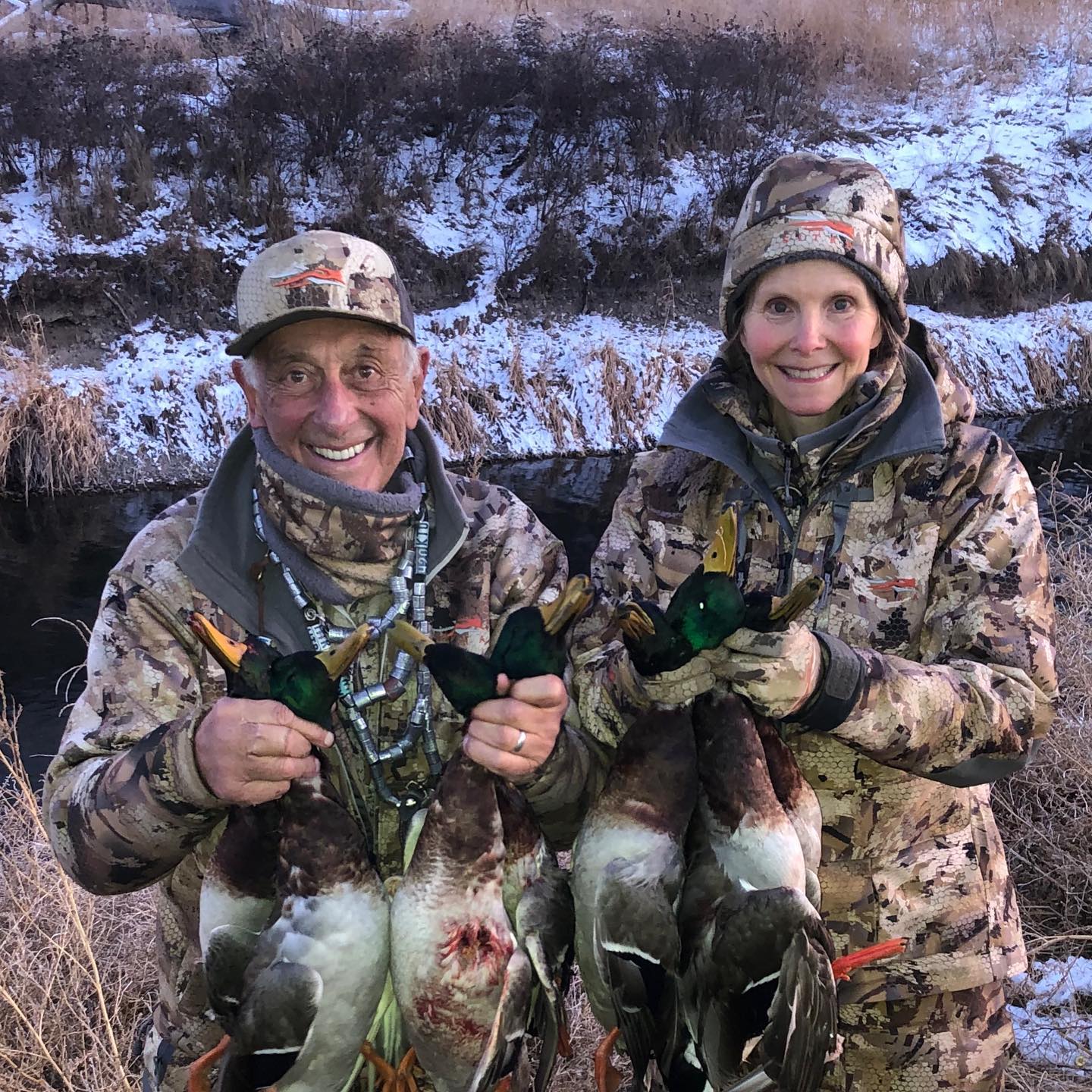
To date, these efforts have enhanced over 1,000 acres of critical migration stopover and wintering habitat. All guided hunts adhere to strict conservation protocols: self-imposed bag limits below state allowances, mandatory non-toxic shot (steel, bismuth, or tungsten), and full utilization of harvested birds—meat preserved through smoking or confit, feathers saved for fly-tying and educational displays. Real-time data on species composition, weather, and decoy effectiveness is shared with regional biologists, turning each hunt into a micro-contribution to continental waterfowl management.
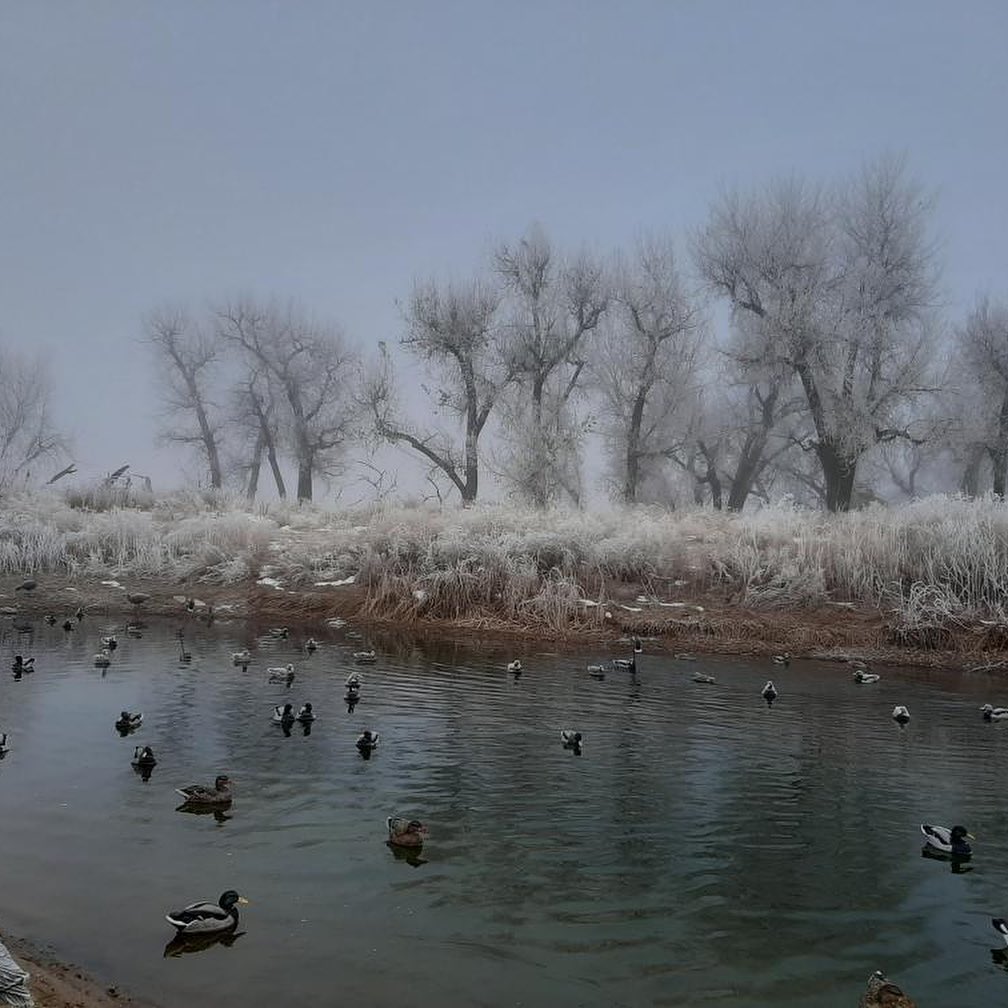
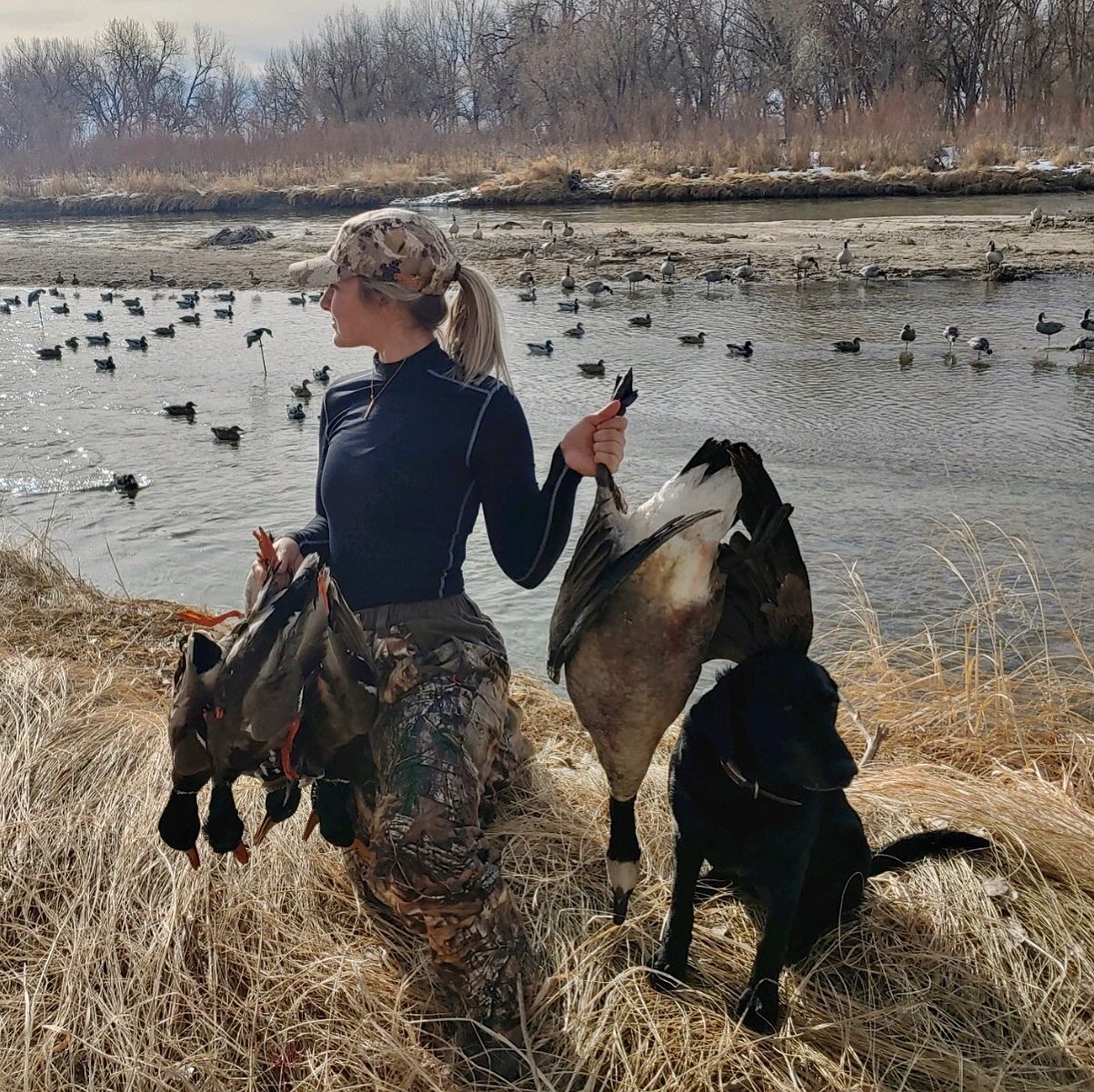
Spreads are intentionally minimalist—often just 24–36 decoys—to mimic natural flock sizes and avoid alarming pressured birds. Hand-carved wooden decoys are paired with wind-driven motion devices, never electronic callers, preserving authenticity and reducing disturbance in this sensitive ecosystem.
Education, Legacy, and Community Stewardship
WyoBraska believes the future of waterfowling lies in mentorship rooted in place-based knowledge. Its flagship Plains Roots Youth Program trains teens in decoy carving, wetland ecology, duck identification, and ethical hunting practices. Participants carve their first decoy under mentorship, assist in spring habitat workdays, and present their creations at the annual WyoBraska Decoy & Migration Festival.
Held each November near Alliance, Nebraska, this community event features carving demonstrations, retriever trials, duck-calling workshops, and evening circles where elder hunters share stories of river life, migration, and reciprocity with the natural world. A rotating gallery showcases historic decoys, including pieces from early Nebraska and Wyoming watermen whose contributions are now being rightfully celebrated.
The lodge—a restored 1940s grain elevator converted into a warm, wood-paneled retreat—serves as both classroom and sanctuary. Walls display maps of historic flyways and vanishing sloughs; shelves hold oral histories recorded from elder hunters; tables host post-hunt meals of smoked mallard, bison chili, and chokecherry glaze—a culinary tribute to the region’s bounty and frontier spirit.
A Philosophy of Quiet Presence
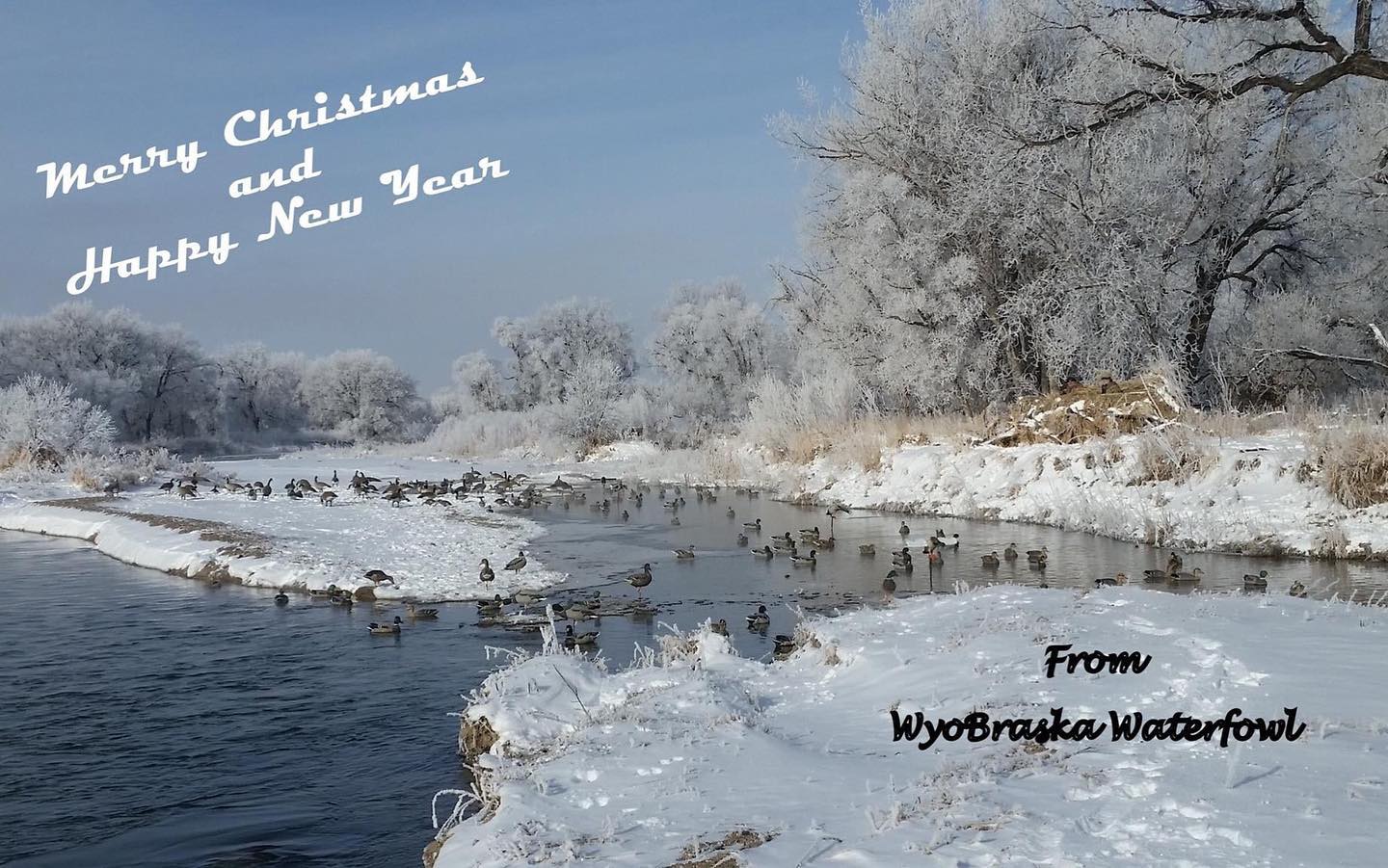
In an age of digital noise and rushed experiences, WyoBraska champions stillness, observation, and humility. There are no ATVs roaring to blinds, no pre-set layouts, no synthetic lures blaring through the reeds. Instead, hunters paddle jon boats at first light, set decoys by feel, and wait in silence. It is in this quiet that the decoy speaks—not as a trick, but as an invitation to witness the ancient rhythm of migration along one of North America’s most storied—and threatened—landscapes.
Every guest departs with more than memories. Many receive a small “Legacy Decoy”—a palm-sized carving of a mallard or lesser snow goose—engraved with their hunt date and slough coordinates. These are not souvenirs, but talismans: reminders that waterfowling, when practiced with reverence and care, becomes an act of cultural and ecological continuity.
Through its fusion of Indigenous wisdom, scientific stewardship, and artisanal decoy craftsmanship, WyoBraska Waterfowl ensures that the decoy remains not a relic of nostalgia, but a resilient compass guiding future generations through the windswept beauty of the Great Plains.