
Views: 0 Author: Site Editor Publish Time: 2026-05-25 Origin: Site


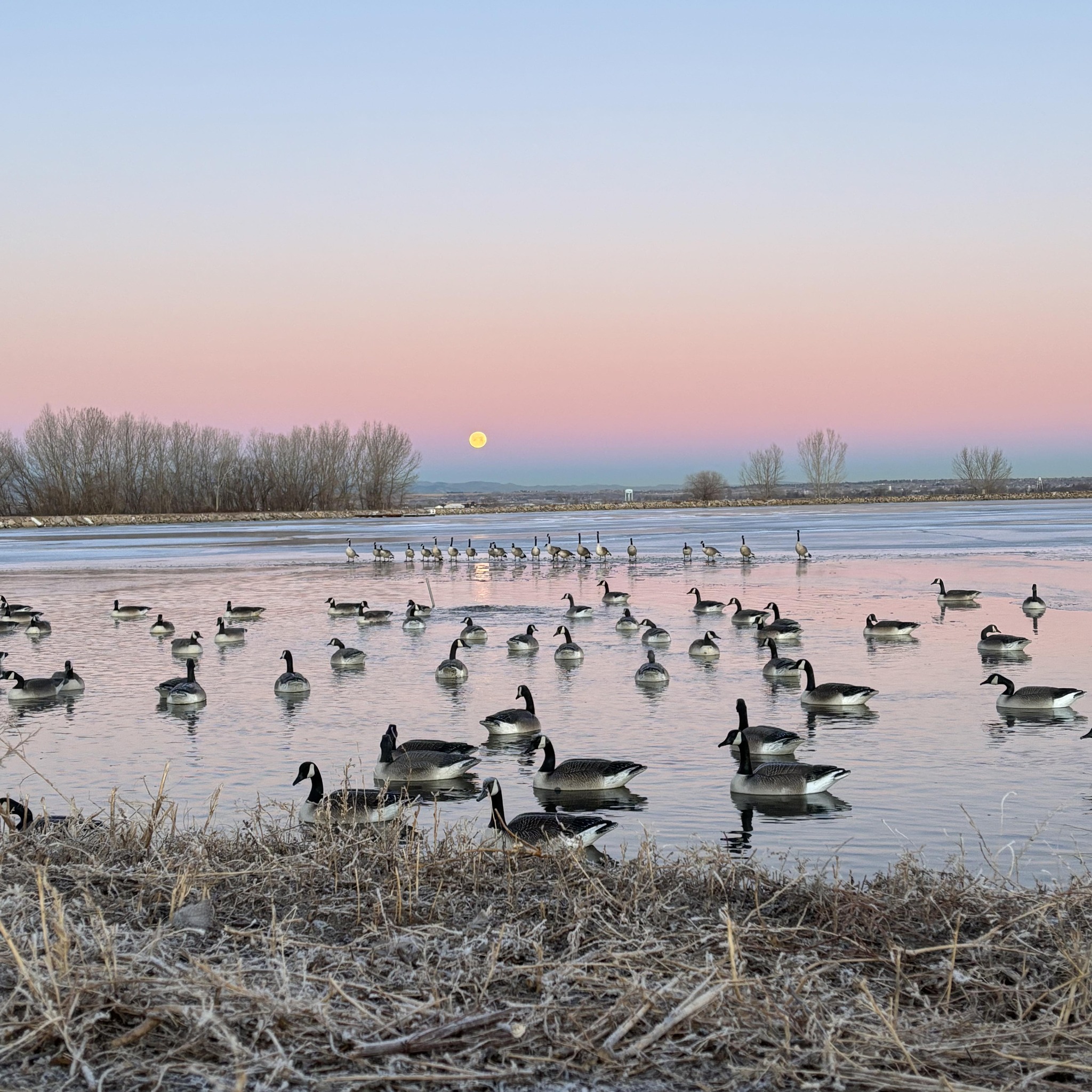
In the vast wetlands of California’s Sacramento Valley, where the Pacific Flyway converges with a rich agricultural mosaic, Western Waterfowl Outfitters offers an experience that transcends sport—it is a living immersion into the West’s unique waterfowling heritage. Based near the historic town of Chico, California, the outfitter operates in what Google Trends consistently ranks as a top-searched region for “best duck hunting states” and “guided duck hunts USA,” drawing hunters from across the globe to witness the spectacle of millions of migrating birds.
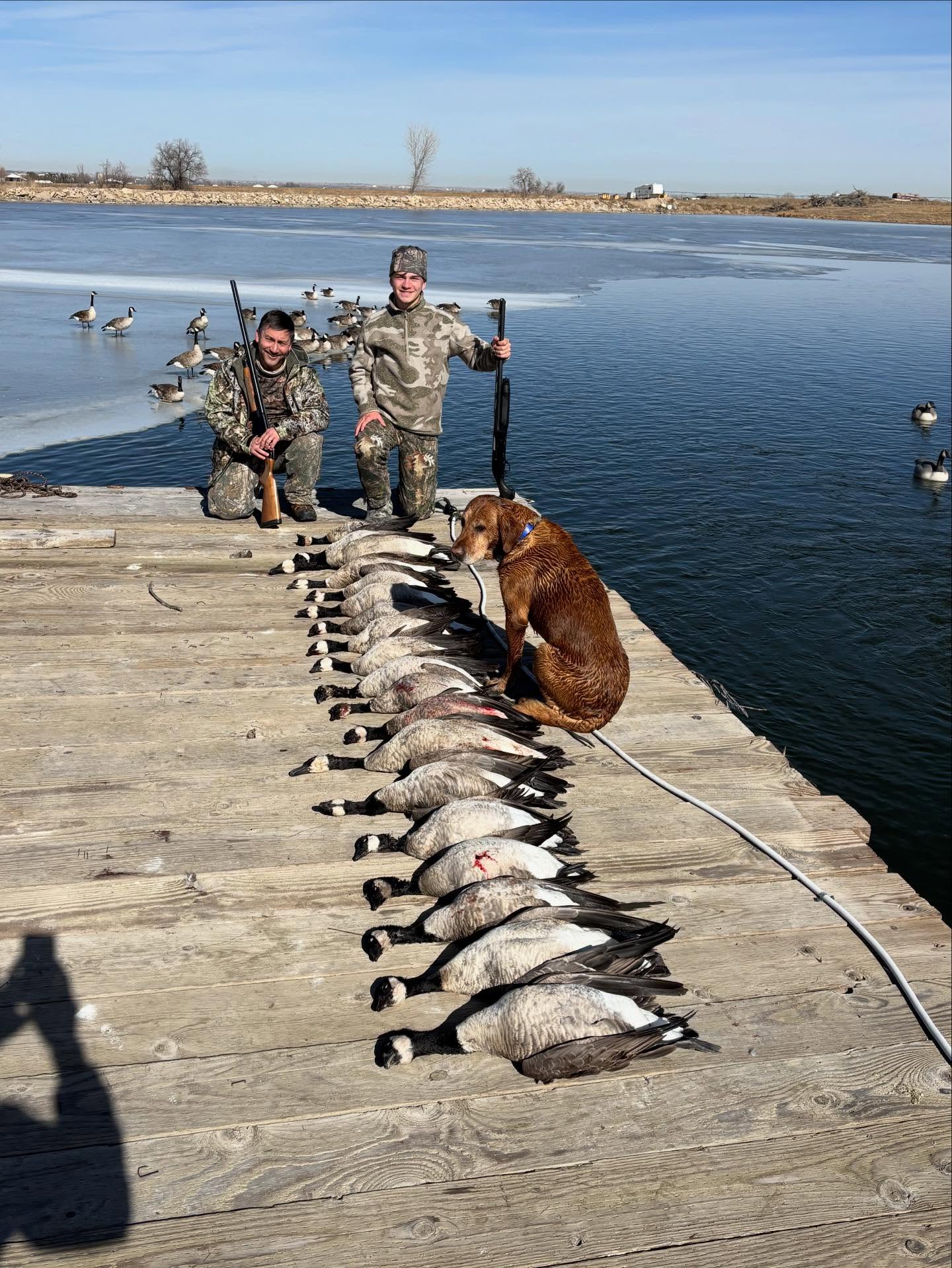
Founded by wildlife biologist and third-generation waterfowler Dr. Marcus Reed, Western Waterfowl manages over 3,200 acres of private habitat along the Feather River. This prime territory lies within the heart of the Pacific Flyway’s most critical wintering grounds, providing unparalleled access to the elusive northern pintail, mallards, wigeon, and vast flocks of snow and Ross’s geese whose migrations paint the winter sky.
But what truly defines this outfitter is its profound integration of the decoy tradition—not as a decorative afterthought, but as the very soul of its hunting philosophy.
The Working Decoy: A Heritage Forged in Wood and Water
The art of the decoy on the West Coast has a distinct character, shaped by the open waters of the Central Valley and the resourcefulness of early market hunters. In the late 19th century, hunters carved “valley floaters” from redwood, cedar, and even scrap wood from their skiffs. These decoys were designed for visibility and durability in the expansive, often windy, marshes—a stark contrast to the more intricate carvings of the East.
Today, Western Waterfowl carries this legacy forward through its Feather River Atelier. Housed in a restored barn overlooking the sloughs, the workshop is a sanctuary of craftsmanship where master carvers—many trained by uncles and grandfathers who hunted before plastic existed—create field-ready lures using reclaimed boat timbers, sustainably harvested local redwood, and proprietary low-sheen, saltwater-resistant paints.
Each decoy is hollow-carved for optimal performance, hand-painted using live-bird references under natural light, and rigorously tested through multiple hunting seasons. Signature styles are deeply rooted in regional necessity: the “Pintail Sleeper” mimics the elegant bird’s head-tucked posture among tules; the “Wigeon Floater” replicates the distinctive profile of this dabbling duck in open water; and the “Goose Sentinels” feature alert, upright stances, strategically placed to convey confidence to late-season, pressured flocks.
These are not mass-produced replicas but signed works of functional art. Every decoy bears a discreet maker’s mark and a small brass tag engraved with species, date, and GPS coordinates of the marsh where it was first deployed—transforming each into a documented heirloom of place, time, and resilience.
Habitat First: Stewardship of the Valley
Western Waterfowl operates on a foundational belief: ethical hunting begins with healthy habitat. The Central Valley has lost over 95% of its historic wetlands—a crisis that makes active stewardship non-negotiable.
In partnership with Ducks Unlimited, the California Department of Fish and Wildlife, and local rice growers’ cooperatives, the outfitter actively restores and manages over 1,500 acres of managed wetlands and flooded rice fields. Practices include strategic water control, native plantings of smartweed and wild millet, and rotational flooding that mimics natural hydrology. These efforts support not only waterfowl but also provide crucial habitat for endangered species like the giant garter snake and the tricolored blackbird.
All guided hunts adhere to strict conservation ethics: self-imposed bag limits below state allowances, mandatory use of non-toxic shot (steel, bismuth, or tungsten), and full utilization of harvested birds—meat preserved through traditional smoking or confit, feathers saved for fly-tying and educational displays. Real-time data on bird counts, weather, and decoy effectiveness is shared with state biologists, turning each hunt into a micro-contribution to regional waterfowl management.
Spreads are intentionally minimalist—often just 24–36 decoys—to reflect the smaller, more cautious flocks of the modern era. Hand-carved wooden decoys are paired with wind-driven motion devices, never electronic callers, preserving the authenticity and quiet dignity of the Western hunt.
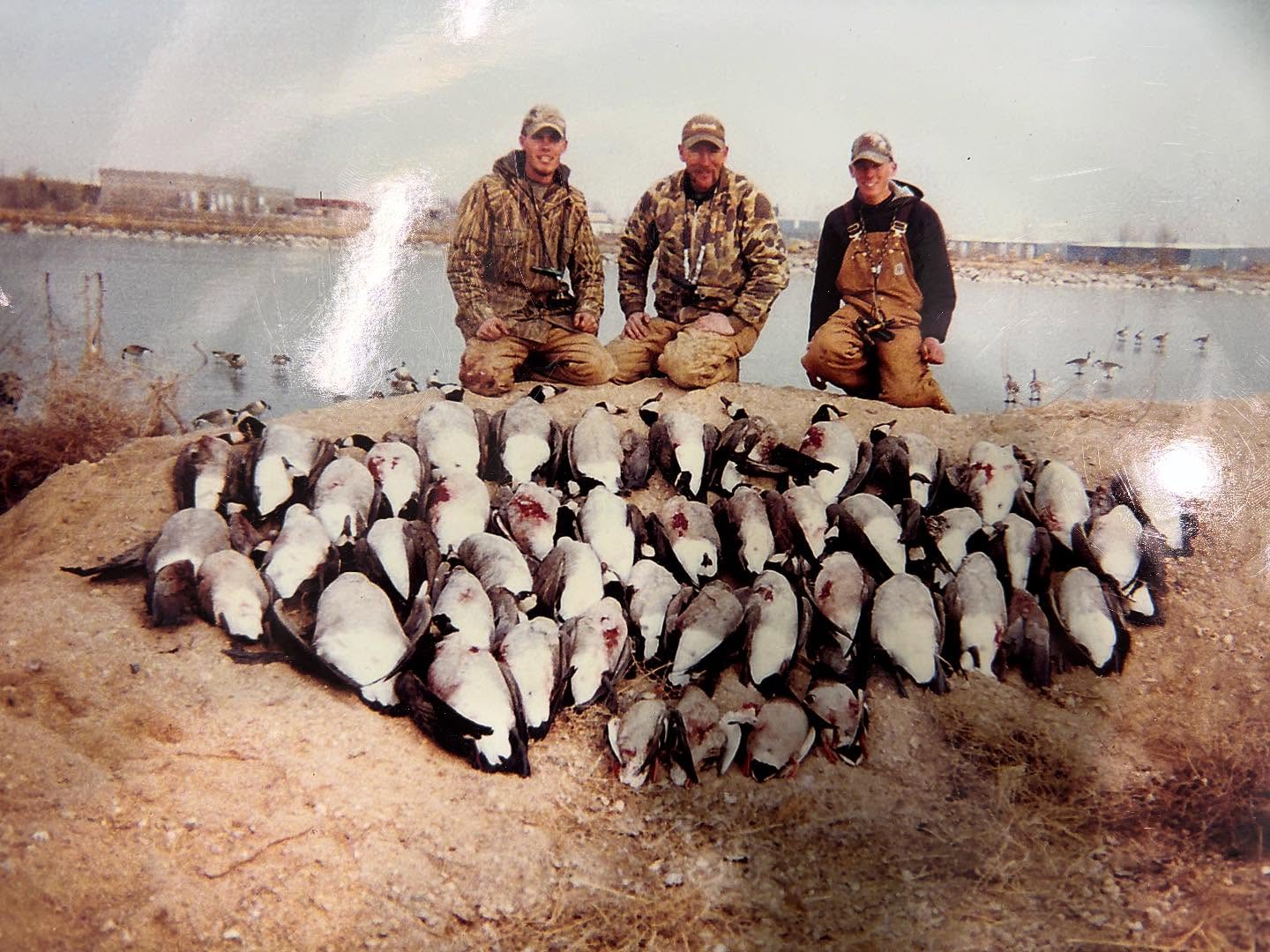
Education, Legacy, and Community
Western Waterfowl is committed to ensuring the future of Western waterfowling. Its flagship Valley Roots Youth Program trains teens in the interconnected arts of decoy carving, wetland ecology, and ethical hunting. Participants carve their first decoy under mentorship, assist in spring habitat restoration projects, and present their creations at the annual Feather River Decoy & Migration Festival.
Held each December in nearby Gridley, this community event features carving demonstrations by master artisans, retriever trials, duck-calling workshops, and storytelling circles where elder waterfowlers share tales of life on the valley floor. A permanent gallery at the lodge showcases historic decoys from legendary West Coast carvers, whose work is now celebrated in museums worldwide.
The lodge itself—a restored 1920s farmhouse—serves as both classroom and sanctuary. Walls are adorned with antique maps of the valley’s vanished lakes; shelves hold oral histories recorded from elder hunters; tables host post-hunt meals of smoked pintail, wild rice pilaf, and stone fruit compote—a culinary tribute to the region’s rich agricultural and ecological heritage.
A Philosophy of Quiet Presence
In an age of noise and haste, Western Waterfowl champions stillness, observation, and humility. There are no ATVs roaring to blinds, no pre-set layouts, no synthetic lures blaring through the reeds. Instead, hunters glide silently in hand-built sneak boats at first light, set their decoys by feel, and wait in the hushed stillness of the marsh. It is in this quiet that the decoy speaks—not as a trick, but as an invitation to witness the ancient rhythm of migration along one of America’s most storied—and threatened—waterways.
Every guest departs with more than memories. Many receive a small “Legacy Decoy”—a palm-sized carving of a pintail or lesser snow goose—engraved with their hunt date and marsh coordinates. These are not souvenirs, but talismans: reminders that waterfowling, when practiced with reverence and care, becomes an act of cultural and ecological preservation.
Through its fusion of artisanal craftsmanship, scientific stewardship, and deep-rooted Western heritage, Western Waterfowl Outfitters ensures that the decoy remains not a relic of nostalgia, but a resilient compass guiding future generations through the windswept beauty of the Pacific Flyway.


