
Views: 0 Author: Site Editor Publish Time: 2026-09-01 Origin: Site


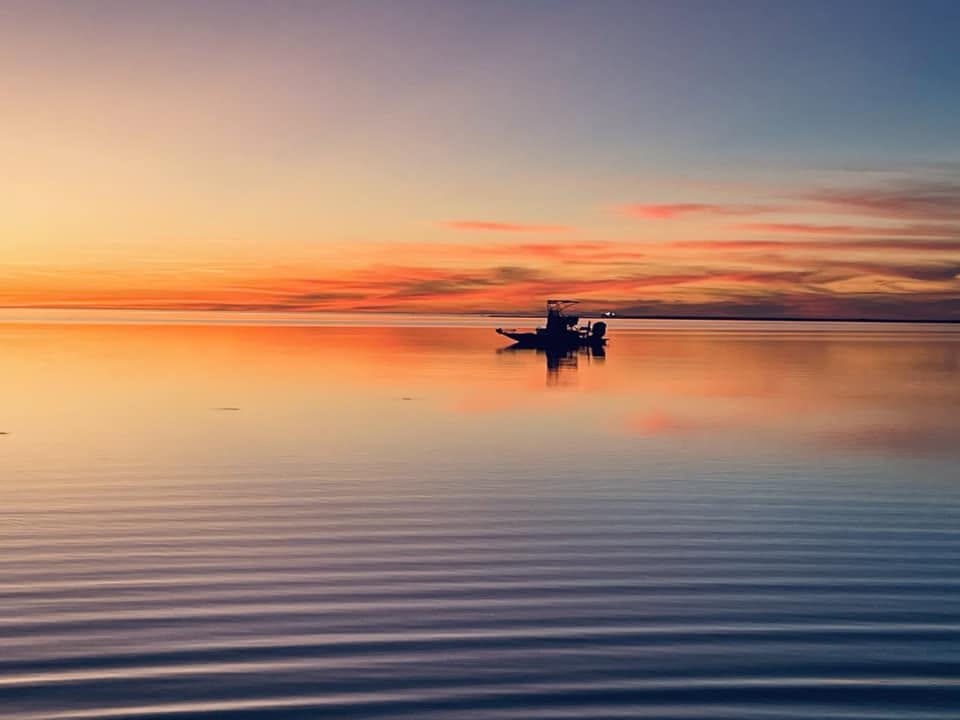
Along the Texas Gulf Coast, few outdoor environments offer the combination of coastal wetlands, bays, marshes and migratory waterfowl found around Port O'Connor.
Located on the Texas Coastal Bend, Port O'Connor provides access to a remarkable coastal ecosystem influenced by Matagorda Bay, Espiritu Santo Bay and surrounding marsh and tidal habitats. The area's combination of shallow coastal water, tidal flats, wetlands and nearby agricultural landscapes creates an attractive environment for migratory birds and waterfowl hunters.
For generations, the Texas coast has supported a distinctive outdoor culture built around fishing, hunting, wildlife and life on the water.
Within that tradition, Port O'Connor Coastal Waterfowl represents the spirit of coastal waterfowl hunting in Texas, where duck hunting, goose hunting, coastal marsh hunting, boat hunting and realistic waterfowl decoys come together.
For visiting hunters, the appeal is not simply the opportunity to harvest a bird.
It is the complete experience:
A boat moving across the bay before sunrise.
A spread of duck decoys waiting on calm coastal water.
The sound of wings approaching through the morning mist.
And the knowledge that every successful hunt depends on understanding the birds and the environment.
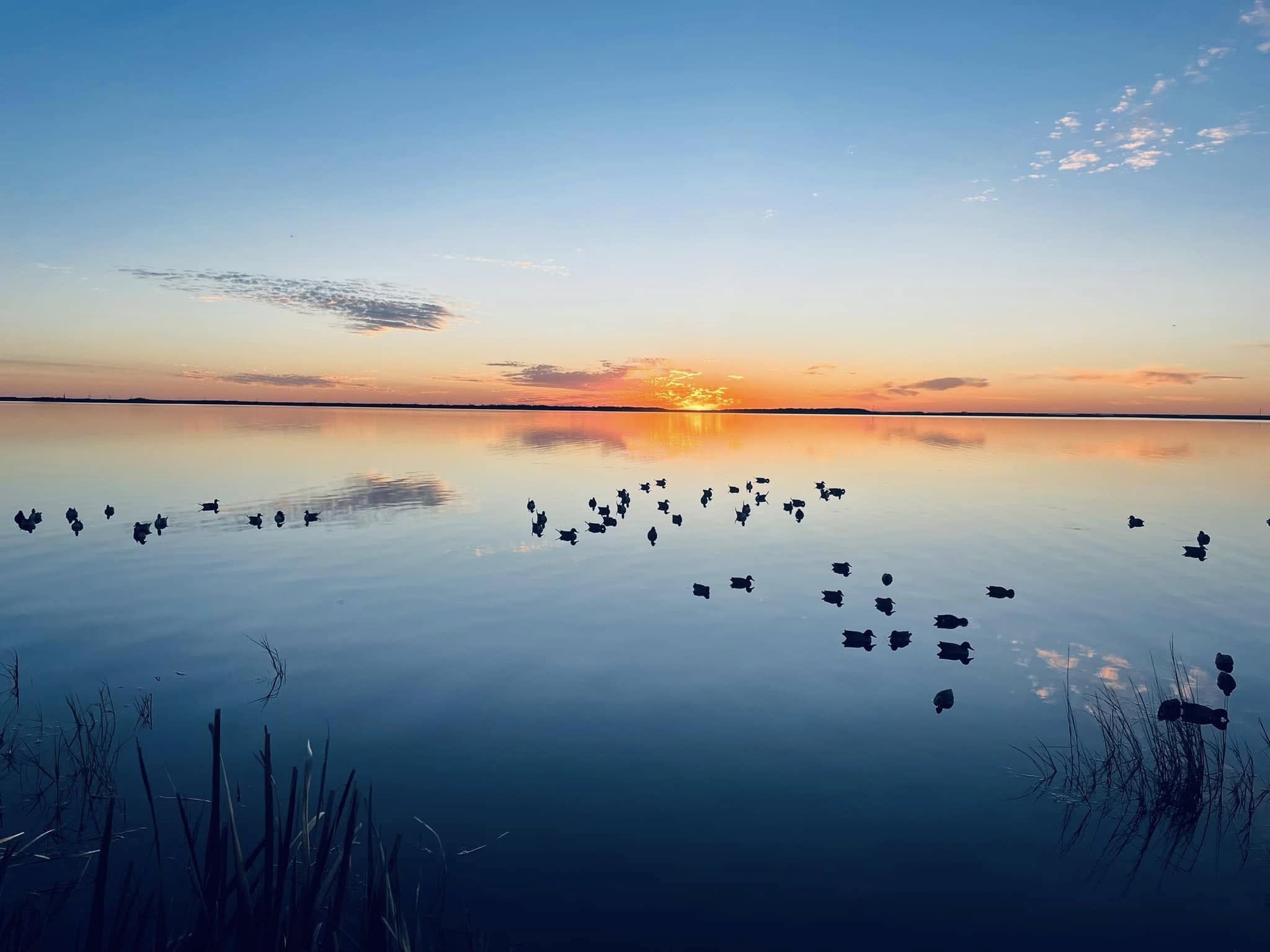
Port O'Connor is positioned in one of the most recognizable coastal regions of Texas.
The surrounding Coastal Bend includes bays, estuaries, tidal wetlands, marshes, barrier islands and shallow-water environments.
These habitats are important to a variety of wildlife, including migratory waterfowl.
The coastal environment also creates hunting conditions that differ considerably from traditional inland duck hunting.
Hunters may need to consider:
· Tide
· Wind
· Water level
· Coastal weather
· Bird migration
· Boat traffic
· Marsh conditions
· Feeding areas
· Roost locations
This makes local knowledge particularly valuable.
A professional coastal waterfowl operation must understand how changing environmental conditions influence bird movement.
The best hunting strategy on one morning may be completely different the following day.
Texas has long been recognized as an important destination for waterfowl hunters.
The state's position along the Central Flyway gives hunters access to a wide range of migratory waterfowl opportunities.
The Texas Parks and Wildlife Department manages extensive wildlife areas and coastal habitats, while the Texas coast provides wintering and stopover habitat for numerous species.
Commonly pursued waterfowl in Texas include:
· Northern Pintail
· Gadwall
· American Wigeon
· Green-winged Teal
· Northern Shoveler
· Mallard
· Redhead
· Canvasback
· Blue-winged Teal
· Scaup
· Mottled Duck
The coastal environment can also provide opportunities for hunters interested in specialized coastal duck hunting and diving duck hunting.
For this reason, Texas remains an important part of the broader North American waterfowl hunting culture.
The decoy is one of the most recognizable pieces of traditional waterfowl hunting equipment.
A realistic duck decoy is designed to create the appearance of a group of resting or feeding birds.
For the hunter, the objective is to create a natural-looking environment that encourages passing waterfowl to investigate.
But experienced hunters understand that successful decoy hunting involves much more than simply placing artificial birds on the water.
Decoy selection and placement can depend on:
Species
Wind direction
Water depth
Tide
Current
Bird behavior
Hunting position
Landing zone
This is particularly important in coastal environments.
A Texas coastal decoy spread can look very different from an inland flooded-field spread.
In shallow bays and marshes, hunters may use smaller groups of decoys positioned around a specific landing zone.
In open water, larger spreads and long-line systems can become useful.
The design of a spread is ultimately intended to create a believable visual signal.
The decoys should look like birds that are comfortable in the environment.
This is why realistic duck decoys remain an important part of modern waterfowl hunting.
Modern manufacturing technology has also transformed the industry.
Today's decoys can combine:
· Realistic sculpting
· Lightweight construction
· Durable plastic
· EVA materials
· Detailed paint applications
· Natural body posture
· Improved keel systems
These features allow hunters to transport and deploy larger spreads without the weight associated with traditional wooden decoys.
The history of North American waterfowl hunting is closely connected to the development of decoys.
Early hunters often carved their own birds from wood.
These traditional working decoys were designed primarily for functionality.
Over time, individual carvers developed distinctive styles.
Some decoys eventually became highly valued as folk art and collectible pieces.
Modern plastic and EVA duck decoys represent a different stage in this evolution.
They are designed primarily for the modern hunter who needs:
Durability
Lightweight handling
Realistic appearance
Weather resistance
Easy transportation
Fast deployment
The fundamental idea, however, has remained unchanged.
A decoy spread is designed to communicate a simple message to passing birds:
“This is a safe place to land.”
The Texas Gulf Coast has a particularly strong connection with Mottled Ducks, a species closely associated with the Gulf Coast region.
For hunters interested in Texas coastal waterfowl hunting, understanding local duck behavior is essential.
Mottled Ducks can inhabit coastal marshes, wetlands and other suitable habitats.
Their behavior and distribution can differ from many migratory species.
This makes local habitat knowledge and careful identification important parts of responsible hunting.
For professional guides, knowledge of local species is one of the foundations of a quality hunting experience.
Texas coastal waters also provide habitat for diving ducks such as Redheads and Scaup.
Diver duck hunting requires different strategies from puddle duck hunting.
Diving ducks often respond to different habitat conditions and may be found in deeper or more open water.
Consequently, hunters may use specialized diver duck decoys, long-line systems and boat-based hunting setups.
The decoy spread must be designed around the behavior of the target species.
This is one of the reasons why experienced waterfowl hunters often maintain different decoy spreads for different hunting situations.
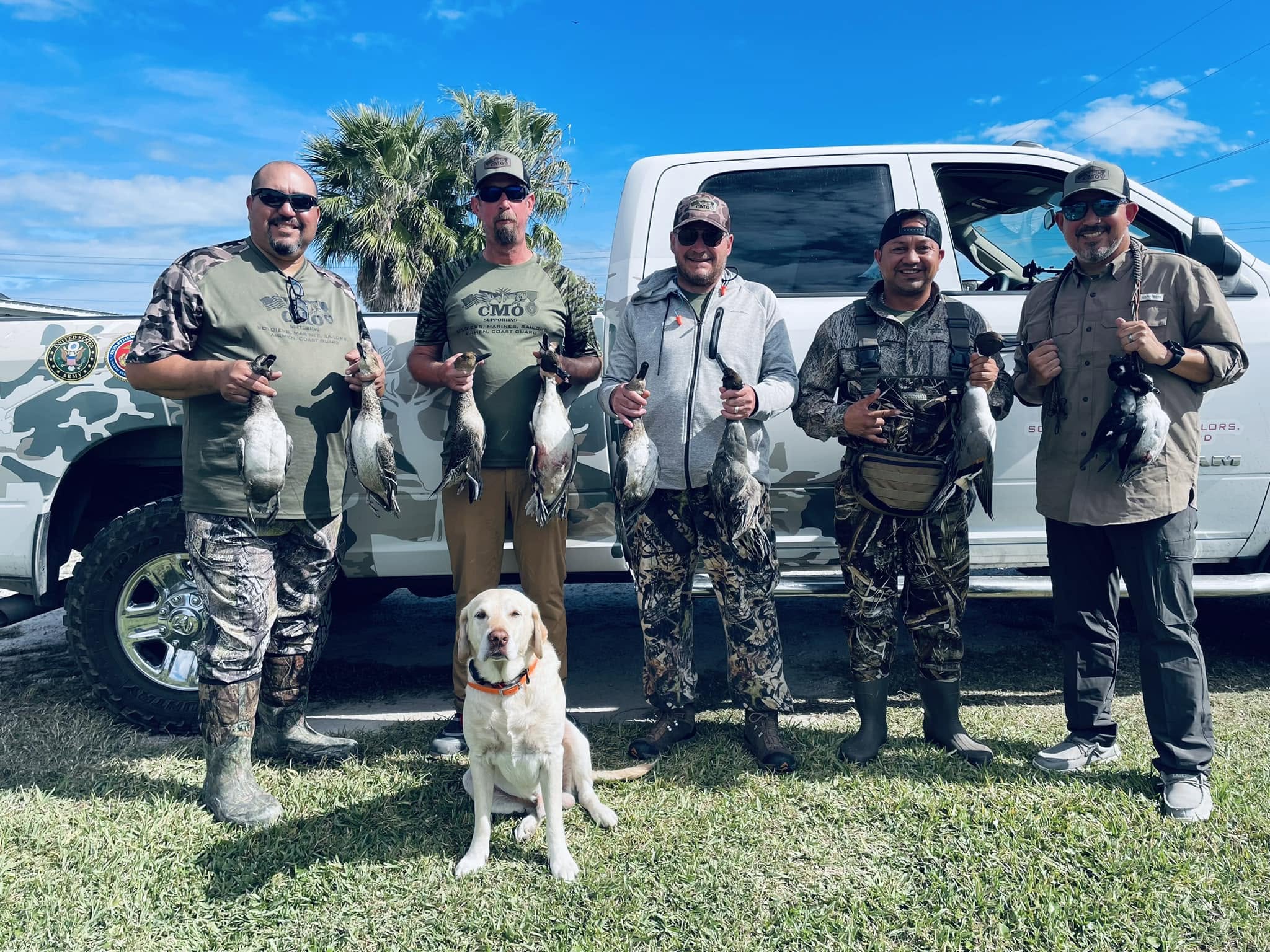
A professional waterfowl guide provides much more than transportation to a hunting location.
A knowledgeable guide understands:
Where birds feed.
Where they rest.
How tides affect movement.
How wind changes flight patterns.
Where boats can safely operate.
How to position a blind.
How to build a decoy spread.
These details can make a significant difference in coastal hunting.
The guide also helps visiting hunters understand the environment and follow local regulations.
For hunters traveling to Texas from other states, this local experience can make a coastal waterfowl trip significantly more efficient.
One of the defining characteristics of coastal waterfowl hunting is the importance of the boat.
A suitable boat can provide access to shallow bays, marsh edges, tidal channels and isolated hunting locations.
Boat-based hunting also creates different opportunities for decoy placement.
Depending on conditions, hunters may use:
· Boat blinds
· Layout-style setups
· Marsh blinds
· Shoreline blinds
· Long-line diver spreads
The boat is therefore not simply transportation.
It becomes part of the hunting system.
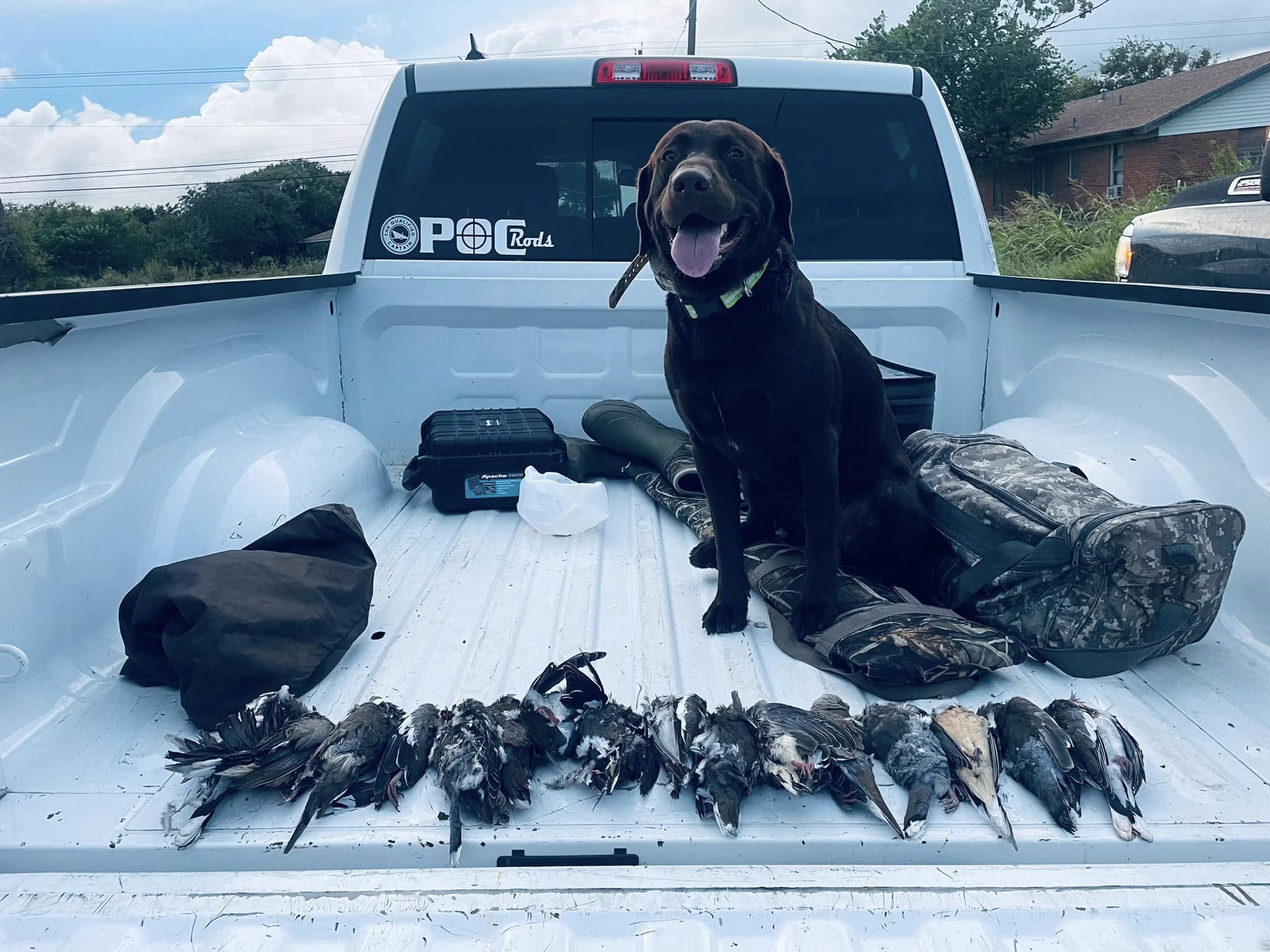
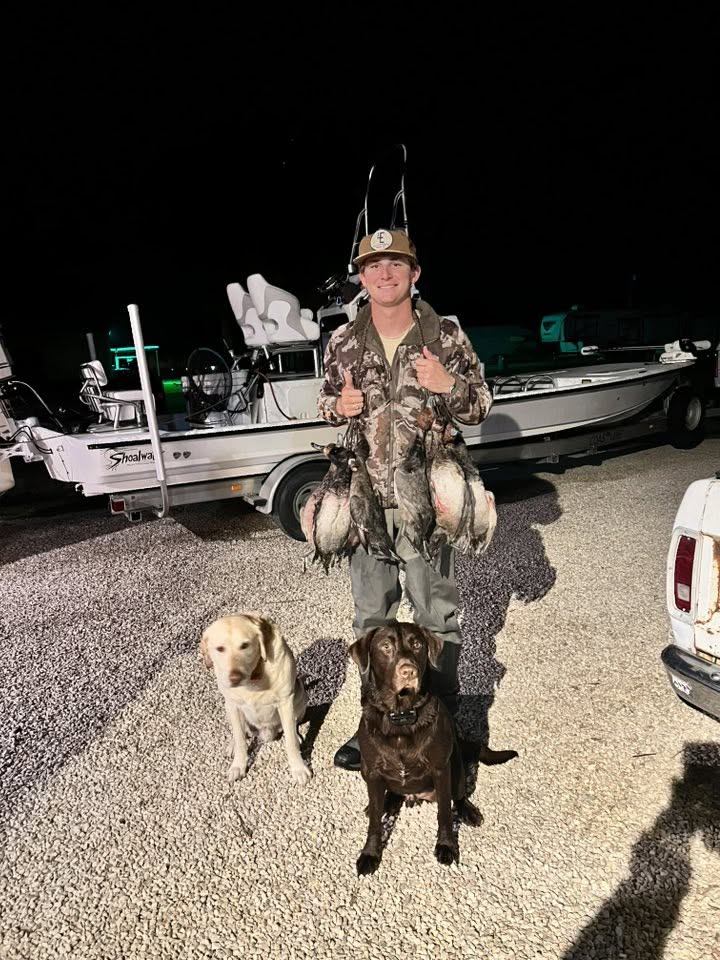
A trained retriever remains an important part of the waterfowl hunting experience.
Labrador Retrievers and other specialized hunting dogs can retrieve birds from:
· Coastal marshes
· Shallow bays
· Tidal channels
· Mudflats
· Shorelines
A dependable dog helps reduce lost birds and allows hunters to concentrate on the hunt.
For many waterfowl hunters, the image of a retriever returning through cold water with a duck is as much a part of the tradition as the shotgun, call and decoy spread.
The future of Texas coastal waterfowl hunting depends on healthy wetlands and coastal ecosystems.
Wetlands provide important habitat for birds while also contributing to water quality, shoreline protection and broader ecological health.
Responsible hunters are therefore closely connected to conservation.
Following hunting regulations, respecting bag limits, protecting habitat and supporting conservation programs all contribute to the future of waterfowl hunting.
For professional outfitters, conservation is not separate from hunting culture.
It is part of it.
The modern duck decoy industry continues to develop.
Hunters increasingly look for:
· Realistic duck decoys
· Lightweight duck decoys
· Durable waterfowl decoys
· Texas duck hunting decoys
· Diver duck decoys
· Mottled duck decoys
· Full-body goose decoys
· Flocked goose decoys
· Long-line decoy systems
Manufacturers continue to improve sculpting, molding, painting and material technologies.
For coastal hunters, realistic appearance and practical performance are particularly important.
A decoy must look convincing under changing sunlight, wind and water conditions.
It must also survive repeated transportation and deployment.
This combination of realism and durability defines the modern working decoy.
The true attraction of Port O'Connor Coastal Waterfowl is the combination of nature, hunting and tradition.
The Texas coast provides a unique backdrop.
The birds provide the challenge.
The guide provides local knowledge.
The boat provides access.
The dog provides the retrieve.
And the decoy spread brings the entire hunting scene together.
From traditional hand-carved wooden decoys to modern plastic and EVA duck decoys, the equipment continues to evolve.
The culture remains.
At first light, a hunter can still experience the same fundamental moment that generations of waterfowl hunters have known:
The decoys are positioned.
The wind begins to move.
The marsh becomes alive.
A distant flock changes direction.
And suddenly, the hunting experience becomes more than equipment or technology.
It becomes a connection with the landscape.
Port O'Connor Coastal Waterfowl represents the continuing Texas tradition of coastal waterfowl hunting—where migratory birds, coastal wetlands, hunting dogs, boats, guides and realistic duck decoys come together to create an authentic Gulf Coast hunting experience.


